

10 hrs ago
Tagore Was Stopped Outside Yerawada Prison During 1932 Journey
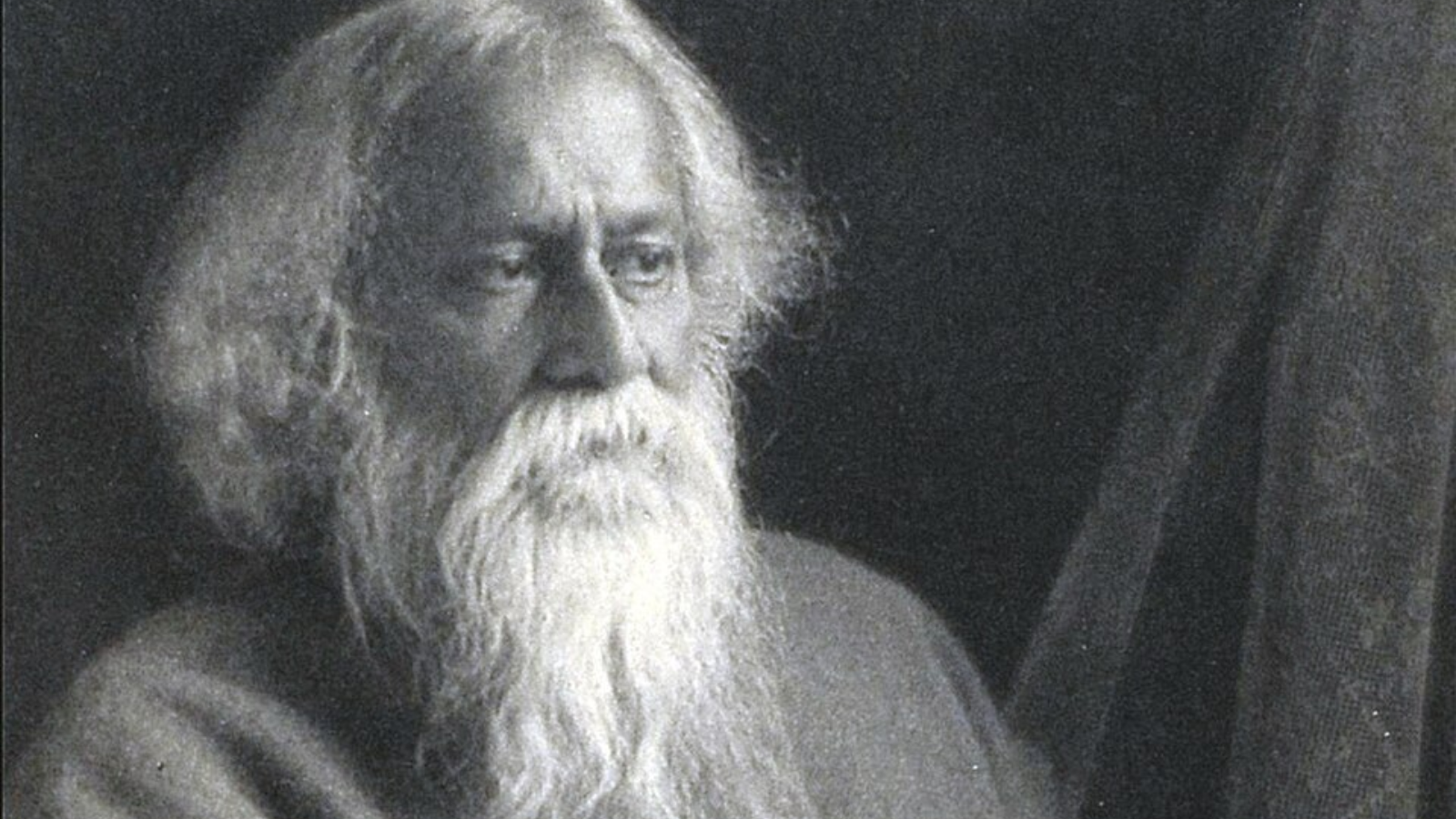
In autumn 1932, Rabindranath Tagore took a train from Santiniketan to Poona.
His journey happened during a major disagreement about how some communities should vote.
British Prime Minister Ramsay MacDonald had announced the Communal Award.
The award suggested separate voting groups for religious minorities and the Depressed Classes.
Bhimrao Ramji Ambedkar supported this idea.
Mahatma Gandhi strongly disagreed with it.
Gandhi was being held at Yerawada Central Jail at the time.
The article connects Tagore’s journey with this important Gandhi-Ambedkar disagreement.

Rabindranath Tagore traveled by train from Santiniketan to Poona in autumn 1932.
The journey came two months after British Prime Minister Ramsay MacDonald announced the Communal Award.
The award proposed separate electorates for religious minorities and the Depressed Classes.
Bhimrao Ramji Ambedkar supported the proposal, while Mahatma Gandhi strongly opposed it.
Gandhi was imprisoned at Yerawada Central Jail when Tagore traveled to Poona.
- Who
- Rabindranath Tagore, Mahatma Gandhi, Bhimrao Ramji Ambedkar, and Ramsay MacDonald.
- What
- Tagore traveled to Poona after the Communal Award intensified disagreement over separate electorates.
- Where
- Tagore traveled from Santiniketan to Poona; Gandhi was held at Yerawada Central Jail.
- When
- Autumn 1932, about two months after the Communal Award was announced.
- Why
- The journey took place amid disagreement over separate electorates for religious minorities and the Depressed Classes.
Gandhi’s Opposition
Ambedkar’s Support
Separate electorates for the Depressed Classes
Gandhi’s Opposition
Mahatma Gandhi strongly opposed separate electorates for the Depressed Classes.
Ambedkar’s Support
Bhimrao Ramji Ambedkar supported the Communal Award’s provision for separate electorates.
Political representation
Gandhi’s Opposition
Gandhi disagreed with separating the Depressed Classes electorally from other Hindus.
Ambedkar’s Support
Ambedkar argued that upper-caste Hindus had never accepted the Depressed Classes as Hindus, making separate representation necessary.
Key facts
- Traveler
- Rabindranath Tagore
- Starting point
- Santiniketan
- Destination
- Poona
- Time
- Autumn 1932
- British announcement
- The Communal Award, announced by Ramsay MacDonald
- Supporter
- Bhimrao Ramji Ambedkar
- Opponent
- Mahatma Gandhi
- Gandhi’s location
- Yerawada Central Jail
Quotes
Vijay Padaki
Theatre educator and playwright whose play The Prophet and The Poet examines Gandhi and Tagore's relationship
“The British had originally decided to separate Hindus and Muslims into West Bengal and East Bengal. Ambedkar saw this as an opportunity to have a separate electorate for the depressed classes because upper-caste Hindus had never accepted them as Hindus.”
 indianexpress.com
Sources
Related news

Azad Links Reservation Protest to Poona Pact Anniversary, Permission Row
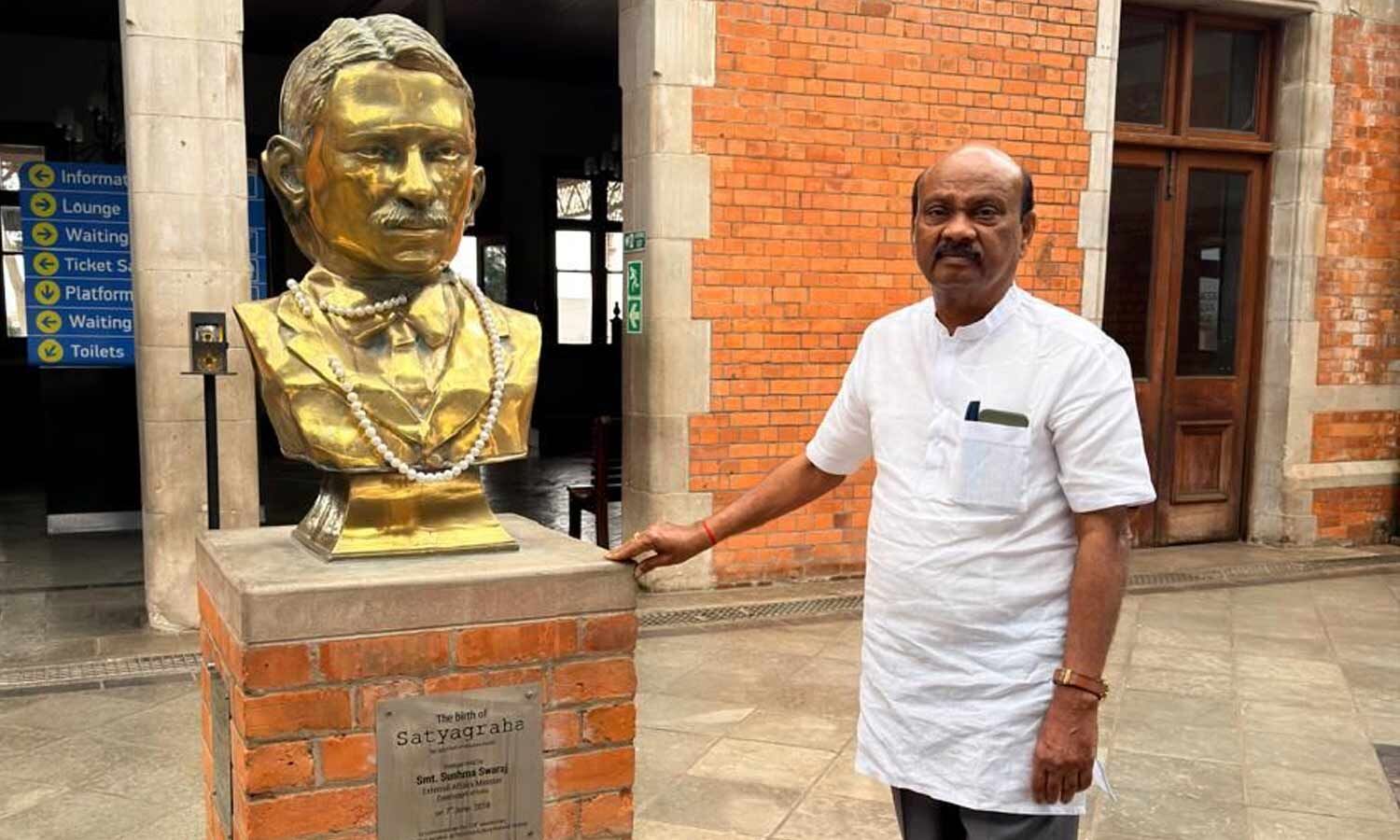
AP Speaker Pays Homage to Gandhi at Historic Station
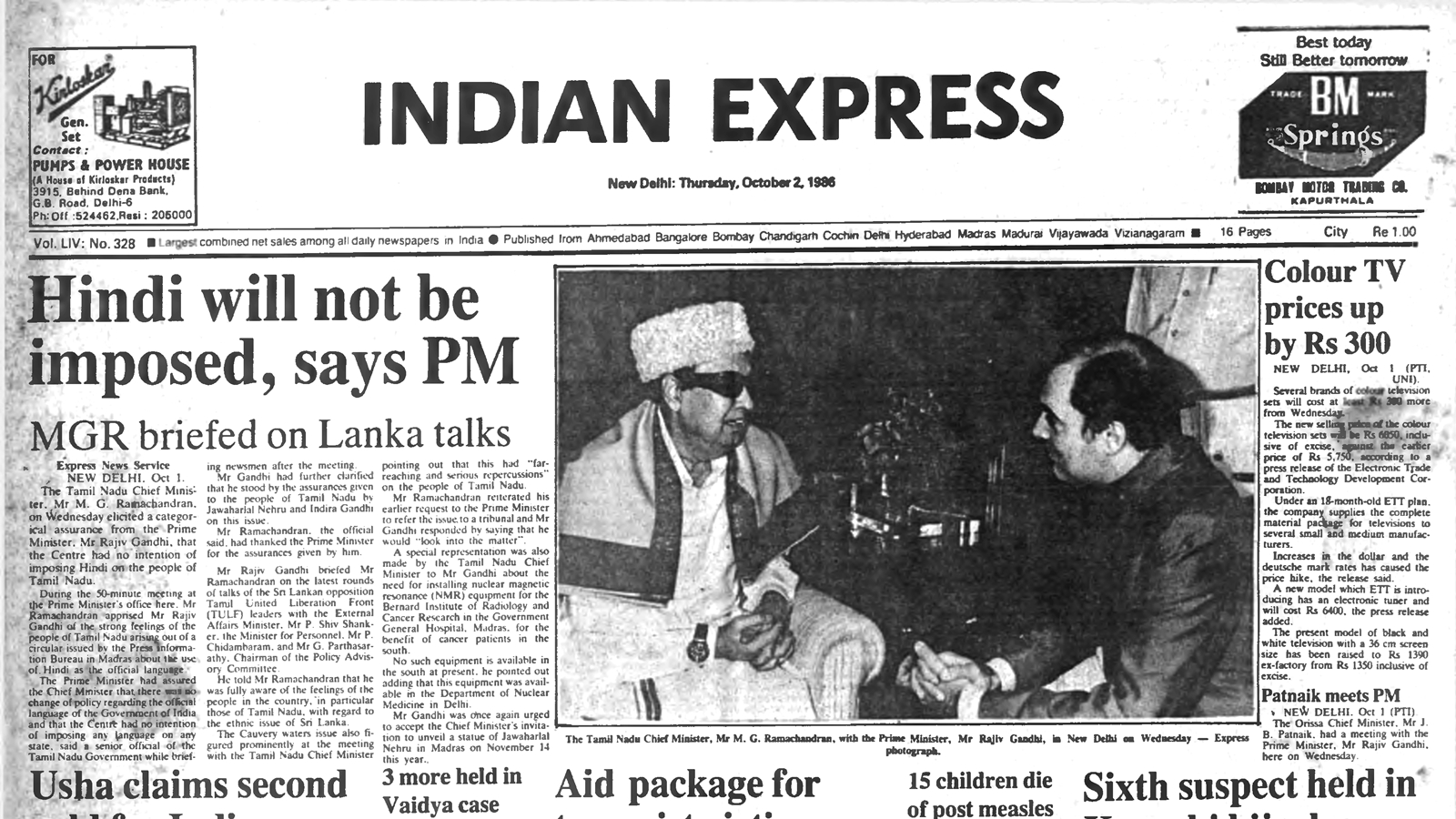
Gandhi Statue Dispute, Hindi Assurance, Economy Praise and Arrests
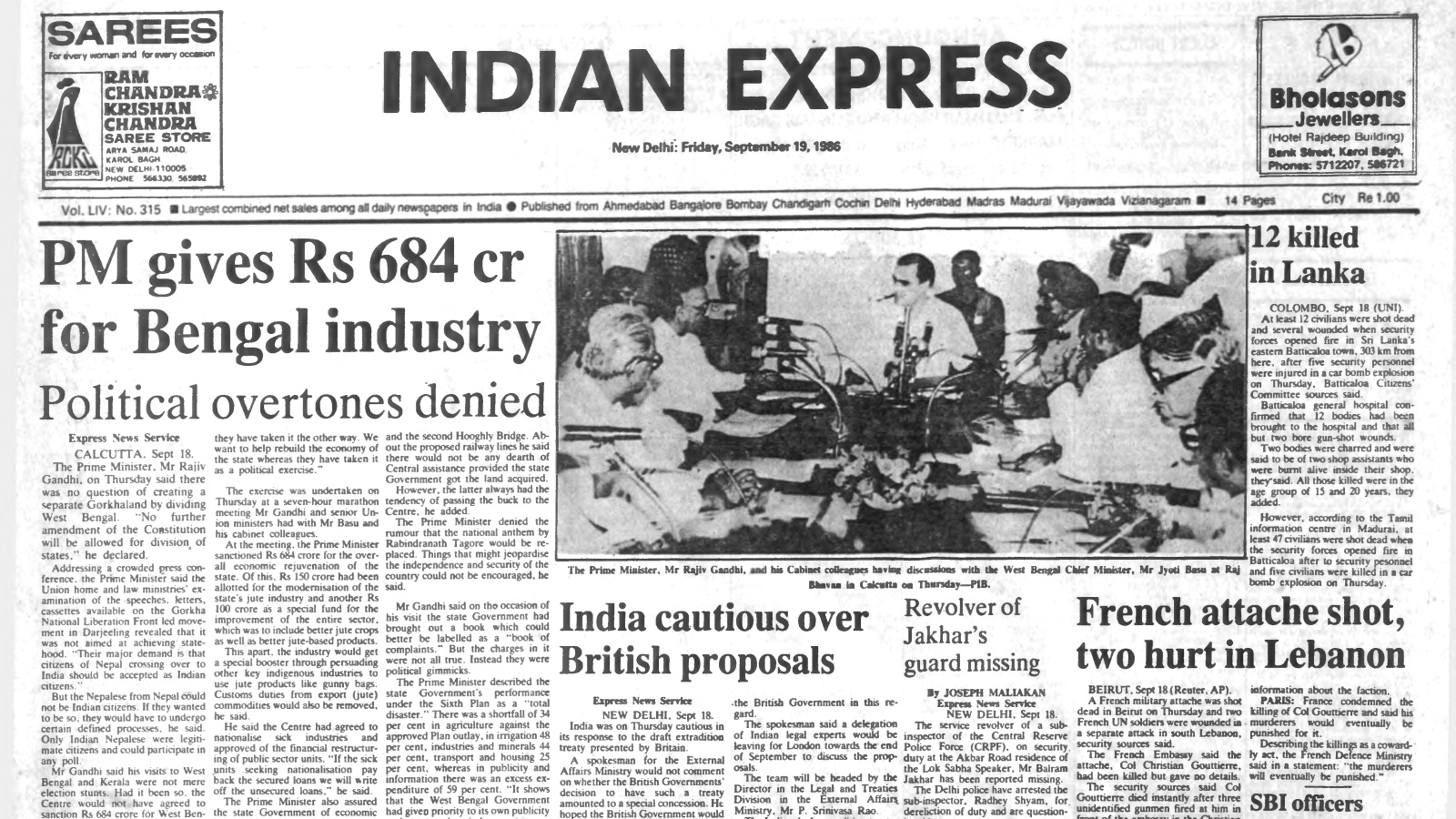
Rajiv Gandhi Rejected Gorkhaland Demand 40 Years Ago
Suvendu Adhikari’s Chinmoy Krishna Remarks Spark Bengal Identity Clash
Rajiv Gandhi Urges Sanctions Amid Transport Reversal, Black Sea Toll
Bombay High Court Acquits Man in 2016 Vile Parle Murder
Minister Defends Marathi Appeal to Sanjay Dutt at Event

Pawar Criticizes Dutt’s Marathi Remark at Sarnaik Event

Sanjay Dutt’s Marathi Jail Quip Escalates Maharashtra Language Row