1 hr ago
Could 2026 Protests Signal the Beginning of Modi’s Decline?
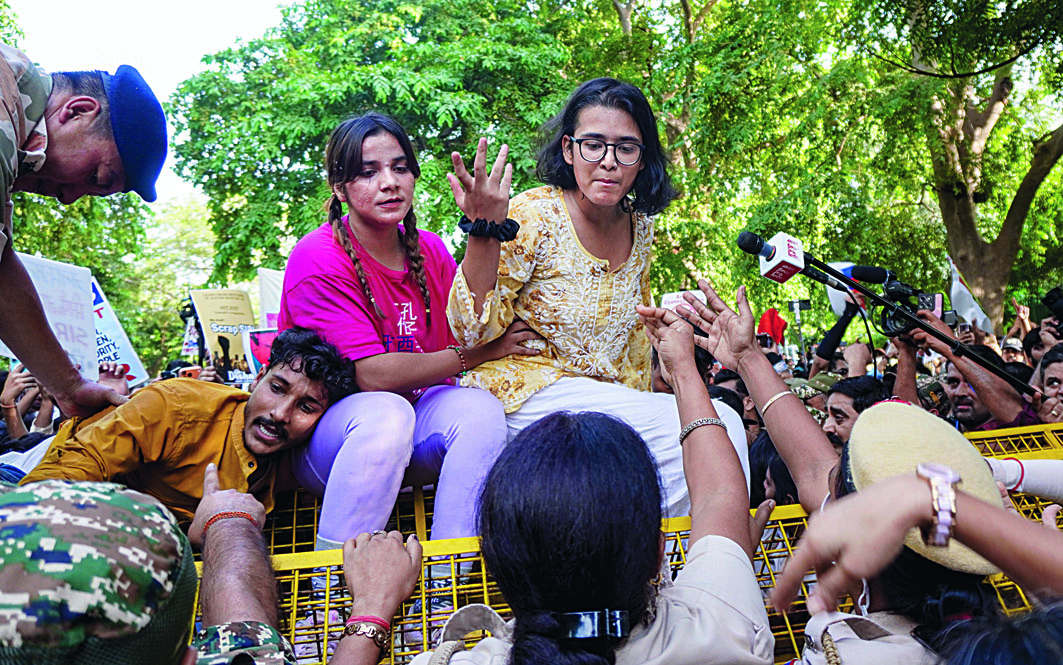
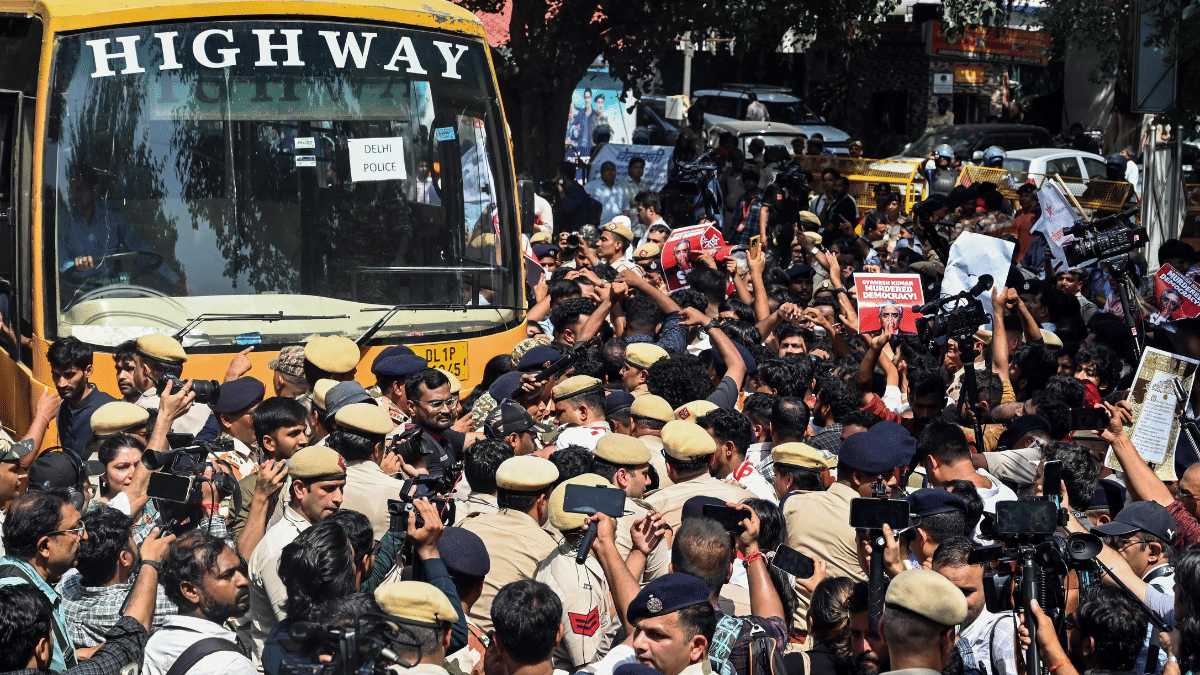
The article says many people are protesting in Delhi in 2026.
They are angry about exam problems and changes to voter lists.
Some protesters say the voter-list changes could stop people from voting.
Opposition leader Rahul Gandhi was detained while going to a protest, the article reports.
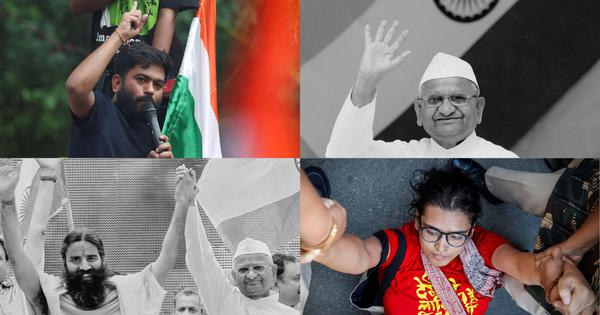
The writer compares these demonstrations with protests in 2011.
Those earlier protests came before the government led by Manmohan Singh lost power in 2014.
The writer thinks today’s protests may show that more people are unhappy with Narendra Modi’s government.
But the article does not know whether the protests will lead to a change in government.
It asks whether they could help bring political change by 2029.

The article compares protests in Delhi in 2026 with demonstrations in 2011 that preceded the Congress-led government’s defeat in 2014.
It says current protests concern alleged exam and election-system rigging, including a voter-roll revision that critics say disenfranchises people.
Protesters are demanding the chief election commissioner resign; the article says the education minister resigned after earlier protests.
Opposition leader Rahul Gandhi was detained by Delhi Police while heading to Jantar Mantar, according to the article.
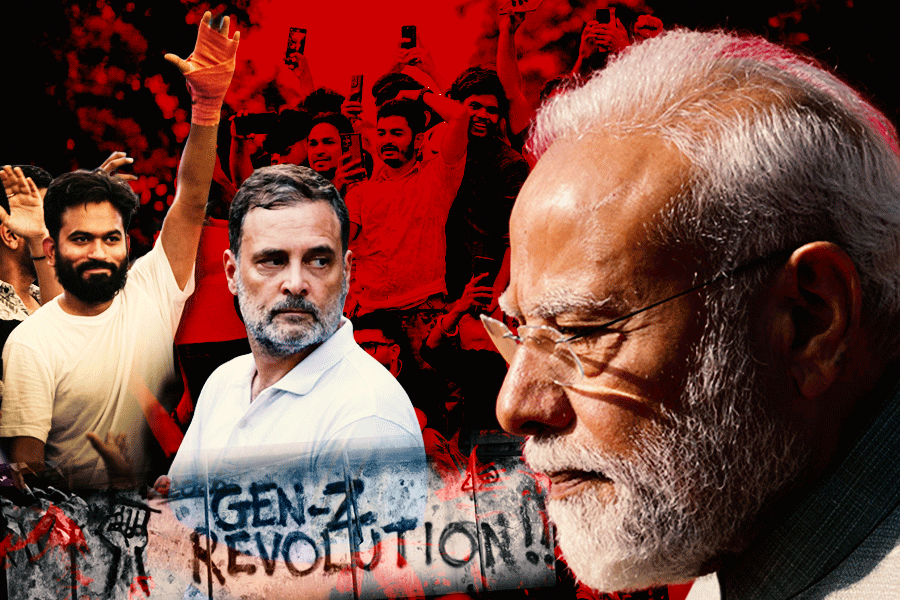
The article argues that public anger and institutional concerns could challenge Narendra Modi, while asking whether protests will translate into political change by 2029.
- Who
- Protesters, Opposition leaders including Rahul Gandhi, and the government led by Narendra Modi.
- What
- Protests over alleged exam and election-system irregularities, including a contentious voter-roll revision.
- Where
- Jantar Mantar and other locations in Delhi, India.
- When
- The article describes protests in 2026 and compares them with demonstrations in 2011; it raises the prospect of political change in 2029.
- Why
- Protesters are objecting to alleged exam-paper problems and voter disenfranchisement linked to an electoral-roll revision.
Critics and protesters
Government position in the article
Electoral-roll revision
Critics and protesters
Protesters and critics say the revision is opaque and risks disenfranchising voters; they are calling for the chief election commissioner to resign.
Government position in the article
The article does not provide a response from the government or Election Commission defending the revision.
Meaning of the protests
Critics and protesters
The writer sees the demonstrations as evidence of growing public disenchantment that could eventually challenge the government.
Government position in the article
The article says Modi was promoting his 25 years in public office and a development vision for 2047, but gives no direct government response to the protests.
Key facts
- Current protest site
- Jantar Mantar, Delhi
- Main election-related grievance
- A revision of electoral rolls that protesters say has disenfranchised voters
- Protesters’ demand
- The chief election commissioner should resign
- Opposition leader detained
- Rahul Gandhi, while on his way to Jantar Mantar, according to the article
- Historical comparison
- Delhi protests in 2011 preceded the Congress-led government’s defeat in 2014
- Political question raised
- Whether protests in 2026 could build momentum for political change in 2029
Sources
Related news
Protests Challenge BJP’s Grip on India’s Political Narrative
Protests Escalate as Demonstrators Demand Election Chief’s Resignation
Anti-CEC Protests Unlikely to Shake Modi Government, Says Dasgupta
Rahul Gandhi Questions Anti-Incumbency; BJP Counters Amid ECI Dispute

Opposition Protests Against Election Chief, Lawmakers Detained
India’s Gen Z Protests Challenge Democratic Erosion Beyond Politics
Mamata May Join Delhi Protest Seeking Gyanesh Kumar’s Removal
BJP Holds Service Activities in Sathupalli Constituency
Karnataka Minister Says Private Agency Tried to Trap Shivakumar
Rathore Calls Congress Election Commission Protest a Political Stunt