51 mins ago
Anti-CEC Protests Unlikely to Shake Modi Government, Says Dasgupta
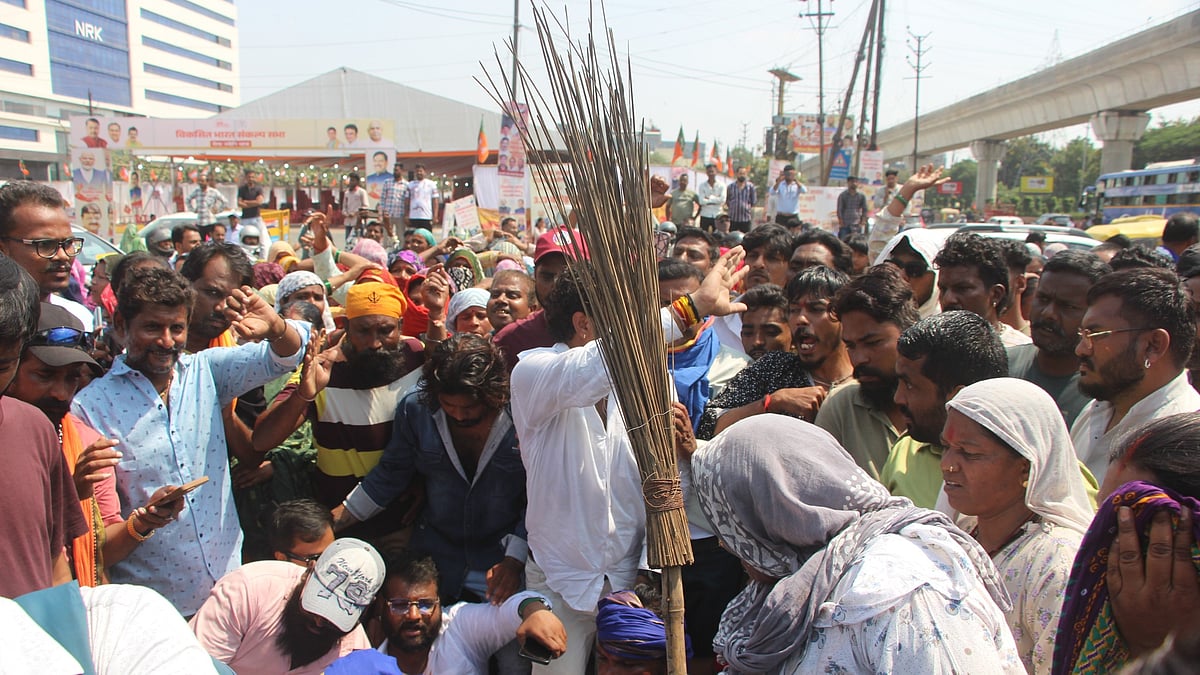
Swapan Dasgupta writes that protests against the chief election commissioner are unlikely to bring down the government.
He says the opposition parties are weakened and have not organized lasting protests.
In his view, the unrest has mostly stayed within elite schools and institutions.
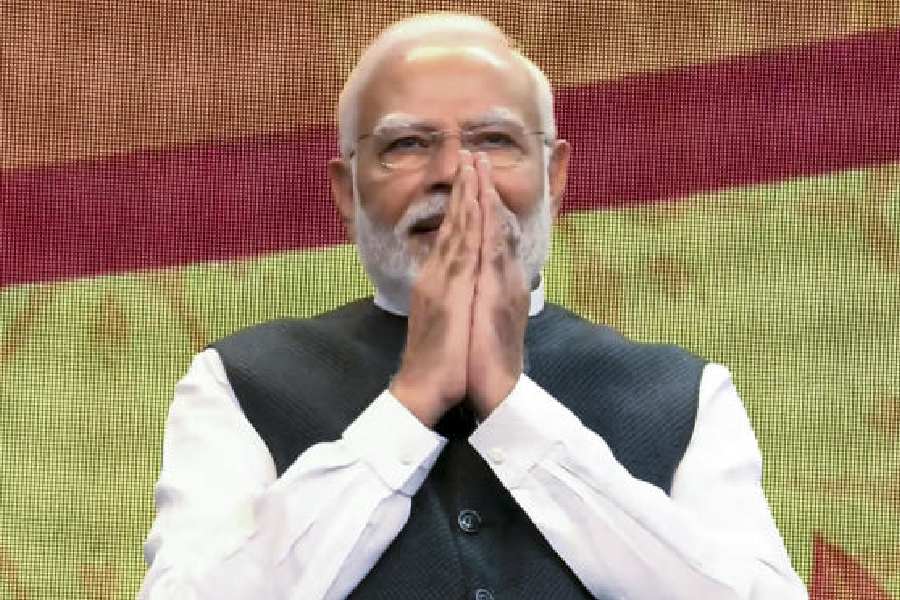
He believes Narendra Modi still has strong political support.
Dasgupta says Modi’s goal of making India a developed country by 2047 helps keep him popular.
But he also thinks the BJP is not connecting well enough with youth culture.
He argues that the party should find fresher ways to appeal to young people.
These are the author’s opinions, not a report of an impending government collapse.

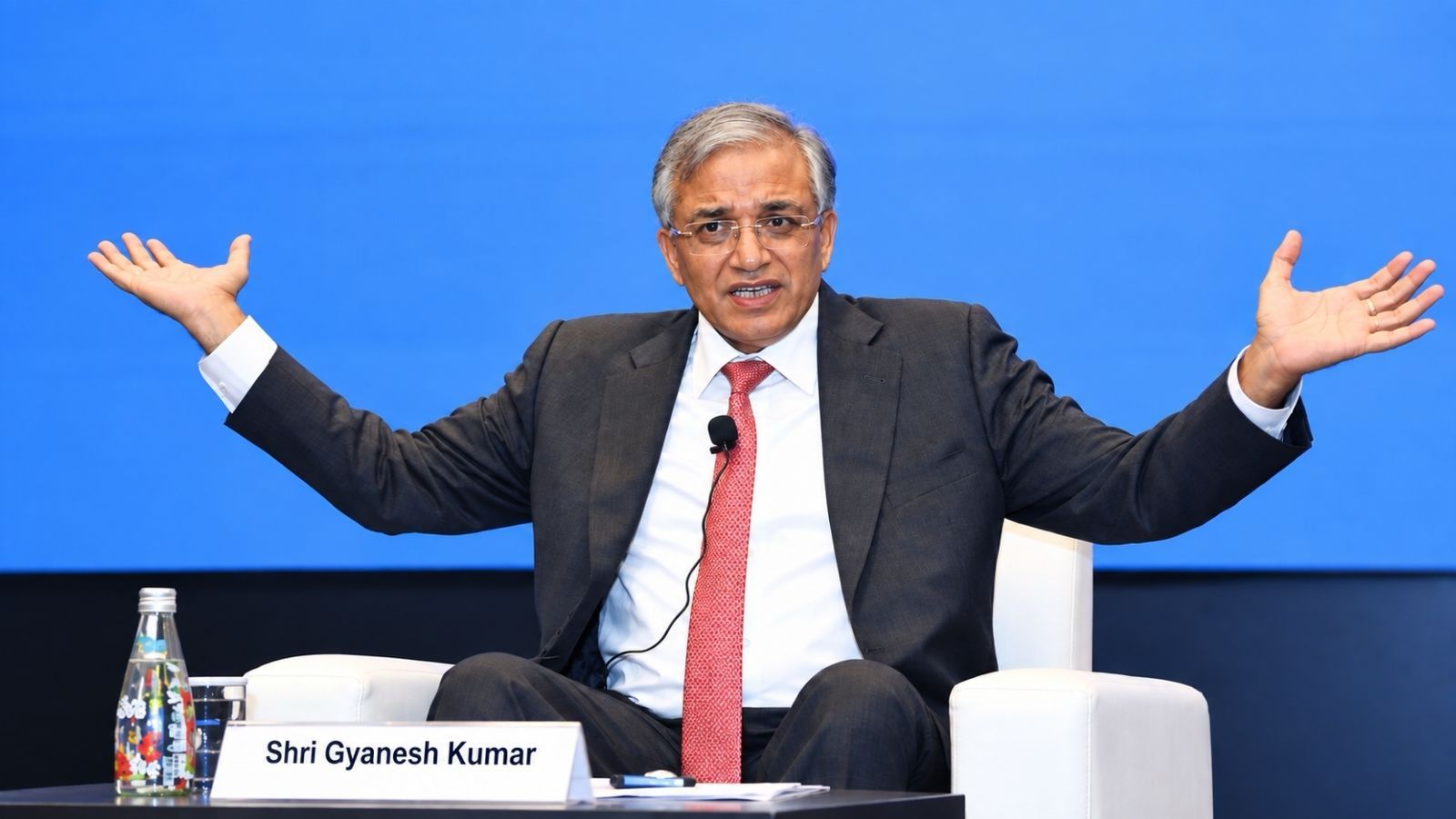
Swapan Dasgupta argues that criticism of Chief Election Commissioner Gyanesh Kumar and the electoral-roll revision is unlikely to destabilize the Modi government.
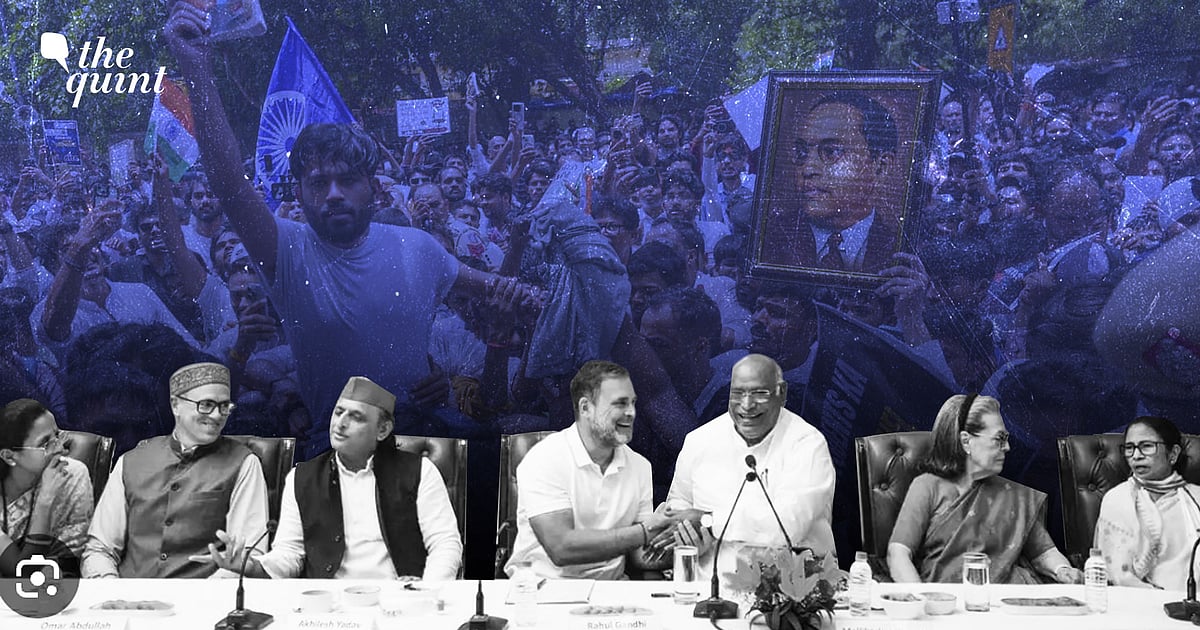
He says the INDIA opposition alliance remains weakened by electoral setbacks and has not mounted sustained street protests.
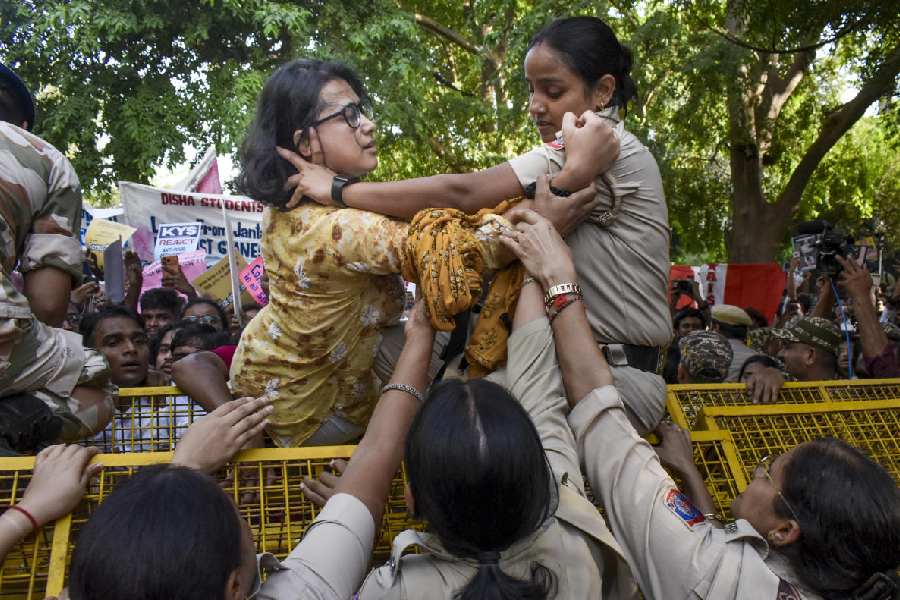
The article argues that protest activity and youth discontent have not spread far beyond elite institutions.
Dasgupta says Narendra Modi retains broad political appeal, supported by his leadership and goal of making India developed by 2047.
He also argues that the BJP has struggled to connect with youth culture and should move beyond predictable appeals to tradition.
- Who
- Swapan Dasgupta discusses Narendra Modi, the BJP, the opposition INDIA bloc, and Chief Election Commissioner Gyanesh Kumar.
- What
- An opinion piece argues that the anti-CEC controversy and related protests are unlikely to destabilize the Modi government.
- Where
- India, with discussion of political activity in New Delhi, Kolkata, and university settings.
- When
- The article refers to events around the transition from September to October but gives no year.
- Why
- The author says the opposition is weakened, protests have not spread widely, and Modi retains political appeal.
Author's assessment
Protesters' concerns as described
Election Commission and electoral rolls
Author's assessment
Dasgupta argues that controversy over Gyanesh Kumar and the Special Intensive Revision is not powerful enough to sustain a national movement or destabilize the government.
Protesters' concerns as described
The article describes critics who allege high-handedness and political bias by the chief election commissioner and oppose the electoral-roll scrutiny.
Scale of political unrest
Author's assessment
Dasgupta says the protests remain limited, the opposition is weakened, and youth activism has not spread beyond elite institutions.
Protesters' concerns as described
The article refers to activists and commentators who treat the unrest as a significant challenge and look to youth mobilization or regional upheavals as possible models.
Key facts
- Author
- Swapan Dasgupta
- Publication
- The Telegraph India
- Main subject
- The political impact of criticism of the chief election commissioner and electoral-roll revision
- Chief election commissioner named
- Gyanesh Kumar
- Prime minister discussed
- Narendra Modi
- Development goal cited
- Making India a developed country by 2047
- Author's central assessment
- The anti-CEC stir is unlikely to cause an abrupt collapse of the Modi government
Sources
Related news
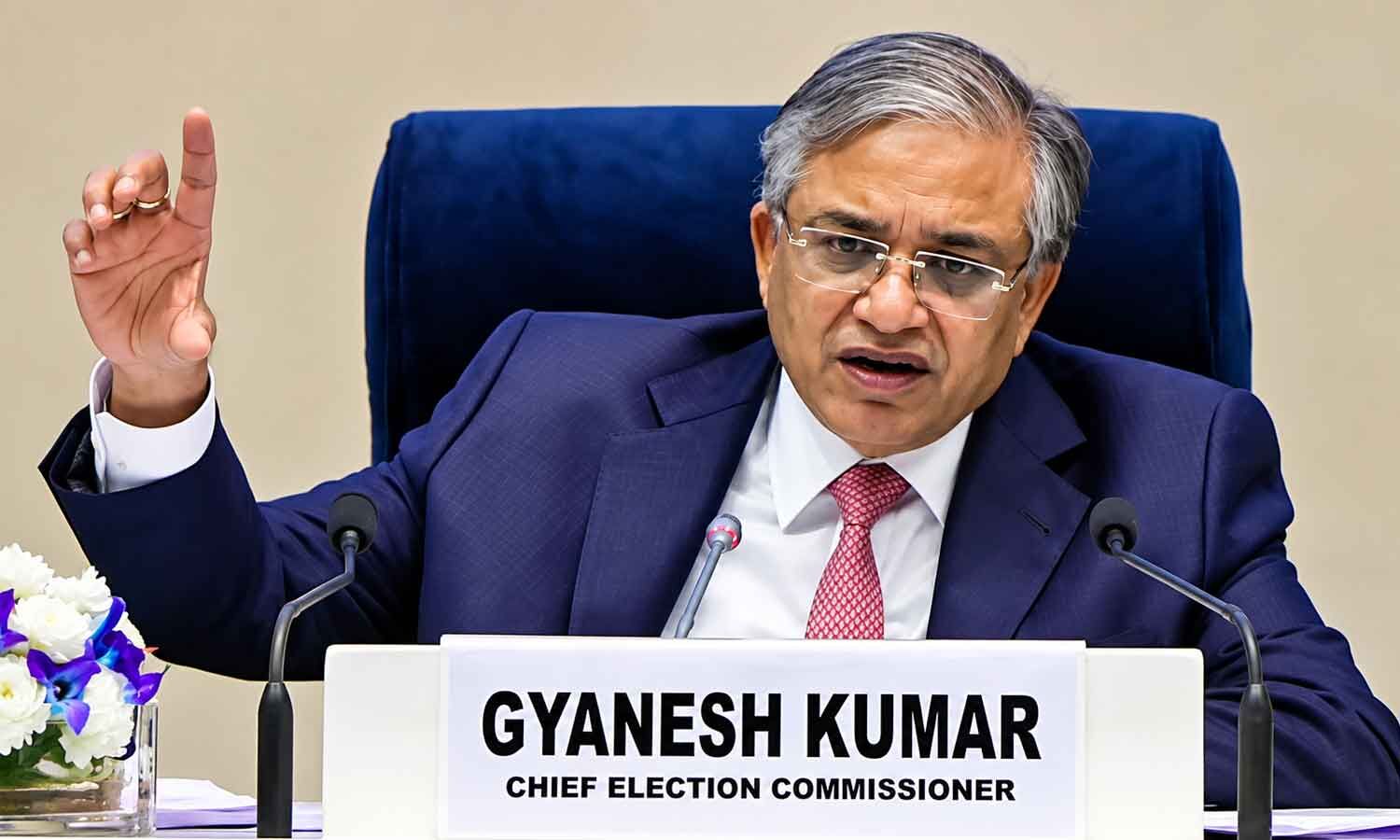
Protests Put Election Chief and Government Under Pressure
Election Commission Faces Credibility Test Over SIR Dispute
Tharoor Says CEC Controversy Diminishes India’s Electoral Credibility
Global Media Tracks Protests Over India’s Election Commission
Opposition Sees Voter Roll Revision as Democratic Rallying Point
Opposition Protests Target CEC Gyanesh Kumar Over Electoral Roll Review
Vijay’s INDIA Entry Could Reshape Tamil Nadu Opposition Ties
White House Praises Modi-Trump Ties as India Marks Milestone
Congress Skips Uttar Pradesh Council Polls, Prioritizes 2027
Telangana BJP Marks Modi’s 25 Years in Public Service