

3 weeks ago
FSSAI bans plastic, aluminium foil packaging for pan masala
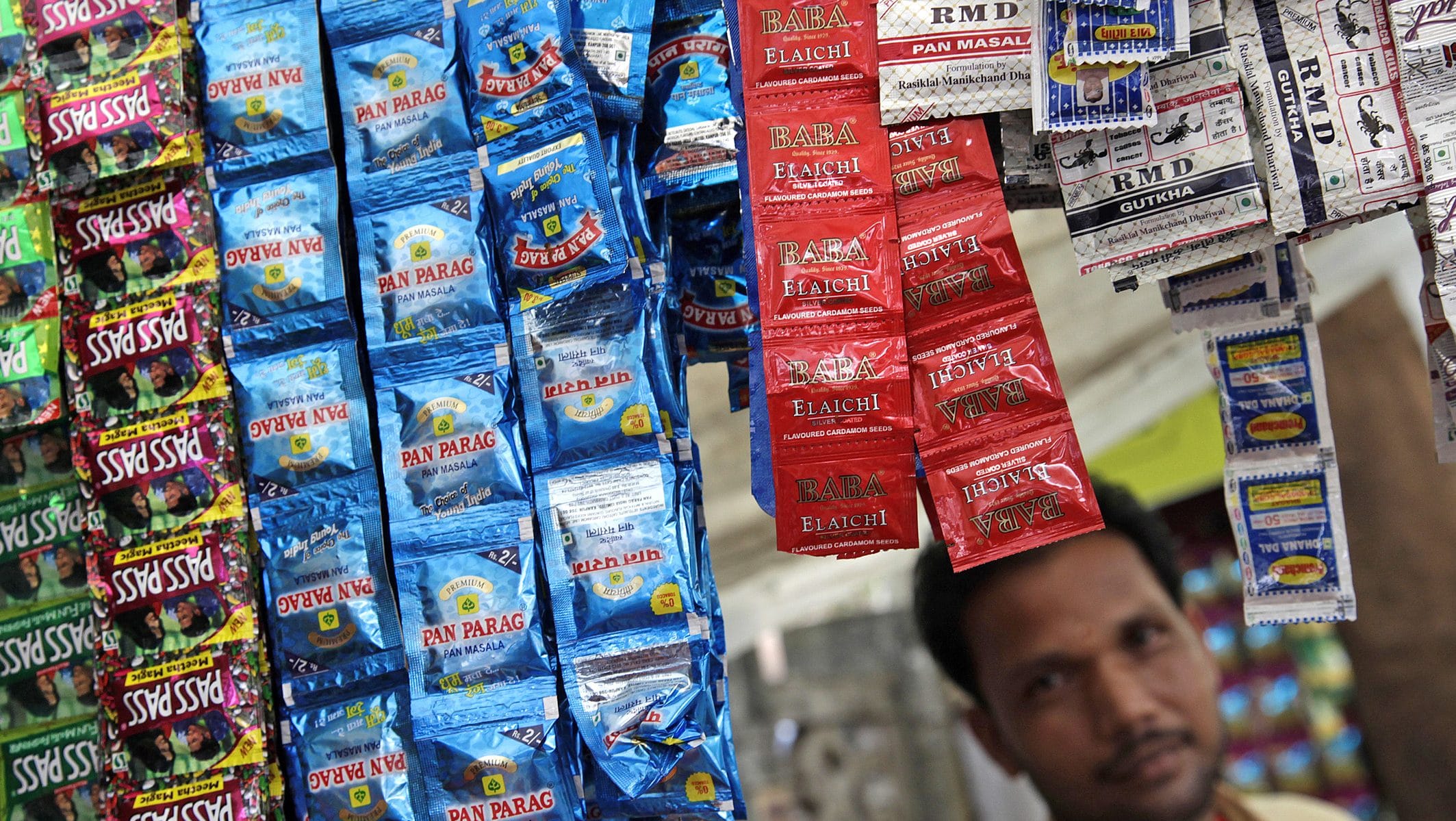
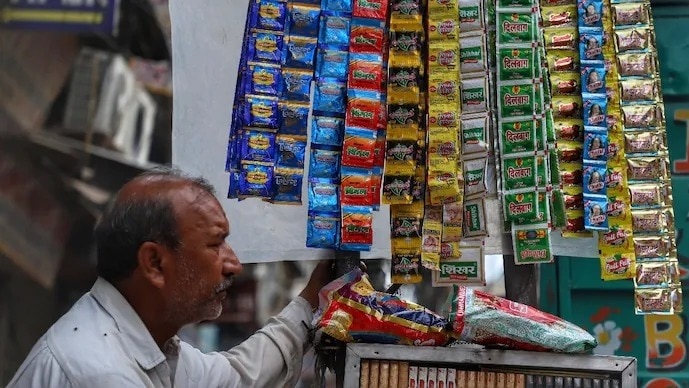
A food safety group in India called FSSAI made a new rule about how pan masala is packed.
Pan masala is a mix of nuts and spices that some adults chew.
The new rule says pan masala can no longer be packed in plastic, aluminium foil, or shiny metal-like layers.
Companies can now use paper, paperboard, or materials that come from nature, as long as they contain no plastic at all.
Tin and glass containers are also allowed.
Even packages that look like paper but have hidden plastic or foil inside are not allowed.
The rule started right away after it was published in the Official Gazette on 10 August.
Before the rule became final, people had 60 days to share their thoughts about the draft.
The rule does not ban pan masala itself — it only controls what materials can be used to pack it.

The Food Safety and Standards Authority of India (FSSAI) amended the Food Safety and Standards (Packaging) Regulations, 2018, adding pan masala as a new entry under Schedule 4.
The amendment bans plastic, aluminium foil and metallised layers in pan masala packaging, including polyethylene, polypropylene, polyester, PVC and other synthetic polymers, copolymers and laminates.
Permitted packaging materials are plastic-free paper, paperboard, cellulose and other naturally derived materials, as well as tin and glass containers.
The rules were notified on 10 August 2026 with immediate effect upon publication in the Official Gazette, following a 60-day consultation on a draft issued on 28 April.
The amendment does not ban pan masala itself and incorporates relevant provisions of the Plastic Waste Management Rules, 2016.
- Who
- The Food Safety and Standards Authority of India (FSSAI), affecting pan masala manufacturers.
- What
- New packaging rules banning plastic, aluminium foil and metallised layers in pan masala packaging while permitting plastic-free paper, paperboard, cellulose and naturally derived materials, as well as tin and glass containers.
- Where
- India, via a notification published in the Gazette of India.
- When
- Notified on 10 August 2026 with immediate effect upon publication in the Official Gazette; a draft was issued on 28 April with a 60-day feedback period.
- Why
- To address environmental and public health concerns over plastic use in packaging and to align pan masala packaging with plastic waste management standards.
Key facts
- Regulator
- Food Safety and Standards Authority of India (FSSAI)
- Legal instrument
- Food Safety and Standards (Packaging) Amendment Regulations, 2026
- Base regulation
- Food Safety and Standards (Packaging) Regulations, 2018
- Notification date
- 10 August 2026
- Banned materials
- Plastic, aluminium foil, metallised layers, polyethylene, polypropylene, polyester, PVC, other synthetic polymers, copolymers and laminates
- Permitted materials
- Paper, paperboard, cellulose, other naturally derived materials (free of plastic), tin and glass containers
- Legal authority
- Section 92(2)(k) of the Food Safety and Standards Act, 2006, with Central Government approval
- Related rules
- Plastic Waste Management Rules, 2016 (Environment (Protection) Act, 1986)
Quotes
Tribhuvan Singh Bisht
Deputy programme manager, municipal solid waste, Centre for Science and Environment
“"The actual cost of managing plastic waste varies significantly across cities and plastic categories."”
 theprint.in
Sources
FSSAI bans plastic, aluminium foil packaging for pan masala; only paper, tin and glass allowed now
FSSAI bans plastic, aluminium foil in pan masala packaging: What changes for manufacturers
No Plastic, Aluminium Foil: FSSAI Introduces New Rules For Pan Masala Packaging

Pan masala packaging gets stricter: FSSAI bans plastic, aluminium foil; permits paper, tin or glass

FSSAI Banned Plastic Containers For Pan Masala While Accepting Paper, Tin And Glass Containers
FSSAI bans plastic packaging for pan masala. Paper, cardboard, tin containers allowed

FSSAI Bans Plastic-Based Packaging For Pan Masala Under New 2026 Packaging Regulations
Related news

Karnataka bans gutka, pan masala, tobacco products for one year
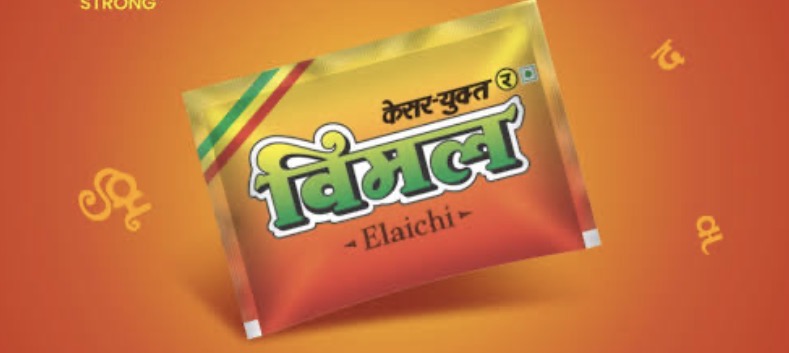
Maharashtra FDA Issues Notices to Bollywood Stars Over Vimal Ad

Khan, Devgn, Shroff told to stop Vimal ads by regulator

Maharashtra bans non-dairy analogue paneer for one year

Diageo India liquor bottles seized over missing recycled plastic markings

Karnataka Bans Analogue Paneer Marketed as Paneer for One Year

Venii Launches Premium All-Leather Open Footwear Brand in India

Health risks of burning popular scented candles at home
Parag Milk Foods doubles cheese capacity with ₹105 crore investment
British Brewer Lion Returns to India After 60 Years
