

1 hr ago
Delhi HC Bars Re-Arrest After Illegal Detention Without Approval

The Delhi High Court examined the re-arrest of a person accused in a POCSO case.
Police first took him into custody on July 20.
A magistrate ordered his release because the arrest information was incomplete.
Police arrested him again on August 21.
The accused argued that this second arrest was unlawful.
The high court said police must follow special steps before making such a re-arrest.
They must seek permission from a senior police authority and the appropriate court.
The court therefore ordered the accused to be released immediately.

The Delhi High Court ordered the immediate release of a POCSO accused.
The accused was first detained on July 20 and released after defective arrest grounds were provided.
Police re-arrested him on August 21, and a sessions court granted two days of police custody.
The high court said investigators needed approval from a superior authority and the concerned court before re-arresting him.
The court found the re-arrest violated Article 22 because the required procedure was not followed.
- Who
- The Delhi High Court, including Justices Navin Chawla and Arun Bhardwaj, ruled on a petition by a POCSO accused.
- What
- The court held that police cannot simply re-arrest someone released from illegal detention without following the prescribed procedure.
- Where
- The case was heard by the Delhi High Court in New Delhi.
- When
- The accused was first detained on July 20, re-arrested on August 21, and the high court order was issued on September 25; the report was published September 29.
- Why
- The initial arrest grounds lacked the date, time of delivery, and details of the alleged incident, while the later re-arrest did not follow the required approval process.
Constitutional safeguards
Investigative custody
Whether the second arrest was lawful
Constitutional safeguards
The accused’s counsel argued that the re-arrest violated the prescribed procedure and the fundamental rights protected by Article 22.
Investigative custody
The investigating side re-arrested the accused after POCSO offenses were added to the FIR and sought police custody; the high court found that this alone did not justify the re-arrest.
Required authorization
Constitutional safeguards
The court said investigators must report the matter to a superior authority and seek permission from the concerned court, explaining the need for custodial interrogation.
Investigative custody
Those approvals were not obtained before the second arrest, according to the high court’s ruling.
Key facts
- Court
- Delhi High Court
- Bench
- Justices Navin Chawla and Arun Bhardwaj
- First detention
- July 20
- Second arrest
- August 21
- High court order
- September 25
- Relevant constitutional provision
- Article 22 of the Constitution of India
- Outcome
- Immediate release from custody
Quotes
Delhi High Court bench
A bench of Justices Navin Chawla and Arun Bhardwaj
“In view of the fact that the above procedure was not followed by the respondent before re-arresting the petitioner and he was re-arrested only on the fact that offences under the Protection of Children from Sexual Offences Act, 2012 had been further added in the FIR against him, the re-arrest of the petitioner cannot be justified and is found to be illegal and in violation of his fundamental rights.”
 deccanchronicle.com
 theprint.in
“The petitioner is, therefore, directed to be forthwith released from the custody,”
deccanchronicle.com
theprint.in
Sources
Related news
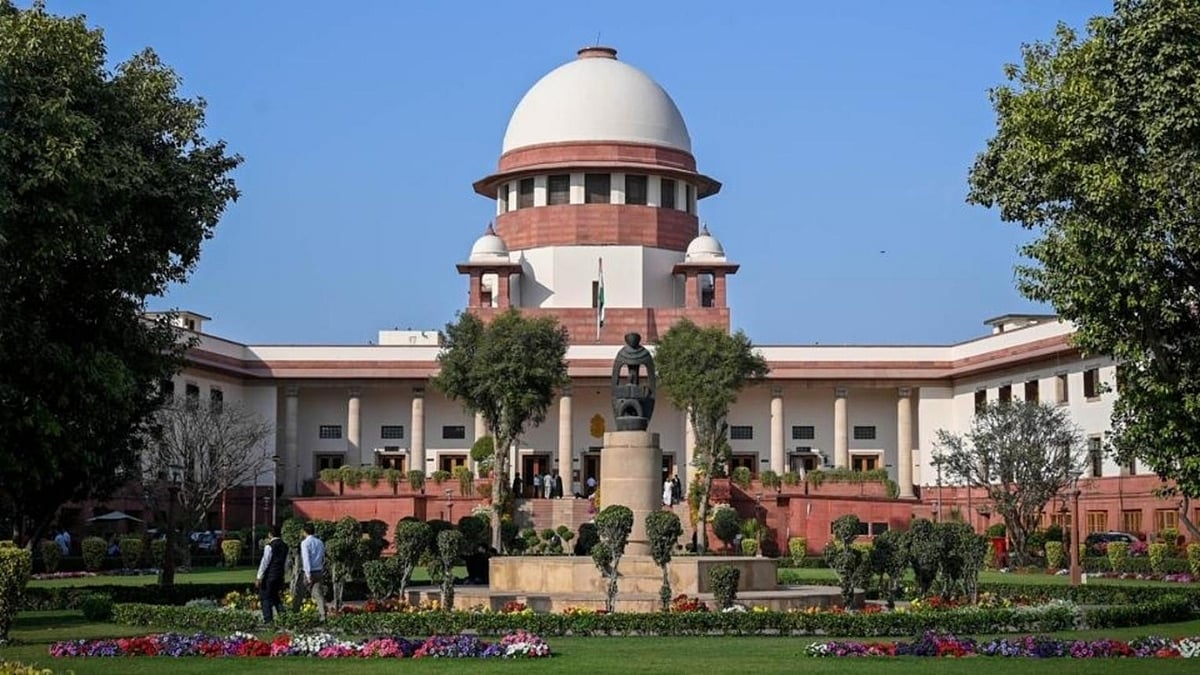
Supreme Court Requires Magistrate Approval Before Article 22 Re-Arrest
Supreme Court Sets Judicial Limits on Police Rearrests
Supreme Court Orders Inquiry Over Arrests Without Written Grounds

Supreme Court Tightens Arrest Safeguards Under Article 22

Supreme Court Says Written Arrest Grounds Are Fundamental Right

Supreme Court Requires Magistrate Permission for Re-Arrest After Quashed Arrest

Delhi High Court Says Muslim Law Cannot Override Child Protections

Gujarat court sentences man 20 years in POCSO case

Telangana Courts Rule on Bail, Local Status and Judicial Appointments

Khushboo Patani Urges Girls to Carry Air Pistols
