

1 week ago
Vijay Gokhale’s China’s Wars Examines Beijing’s Strategic Coercion

Vijay Gokhale’s book studies why China used military force in four major confrontations.
These include disputes involving Taiwan, India, the Soviet Union, and Vietnam.
The book says China often used military action to send political messages, test other countries, or improve its strategic position.
It also says the 1962 war with India was meant to weaken and embarrass India’s leadership.
Today, China often tries to gain advantages without starting a large war.
It does this through pressure, military threats, economic influence, and information campaigns.
The reviewer thinks this part of the book is especially useful.
However, the reviewer says the book does not sufficiently explain China’s much larger involvement in the Korean War.

Vijay Gokhale examines the political and diplomatic motivations behind four Chinese military confrontations.
He argues that China’s 1962 war with India was intended to deliver a decisive political blow, not simply settle territory.
The 1958 Taiwan Strait Crisis and 1969 Sino-Soviet clashes are presented as strategic signaling rather than conventional wars.
Gokhale describes China’s current “salami-slicing” and grey-zone tactics as efforts to change conditions without triggering full-scale war.
The reviewer praises the book but criticizes its limited treatment of China’s participation in the Korean War.
- Who
- Former Indian Foreign Secretary Vijay Gokhale, writing about the strategy of Communist China and its implications for India.
- What
- A review of China’s Wars: The Politics & Diplomacy Behind Its Military Coercion, which analyzes four Chinese military confrontations and Beijing’s grey-zone tactics.
- Where
- The conflicts discussed involve the Taiwan Strait, the Sino-Indian frontier, the Sino-Soviet border, and Vietnam; the recommendations are directed at New Delhi.
- When
- The book covers conflicts from 1958 to 1979 and discusses China’s subsequent conduct, including tensions since 1979.
- Why
- The book seeks to explain the political, diplomatic, domestic, and geopolitical motivations behind China’s use or threatened use of force.
Book’s Strategic Interpretation
Reviewer’s Reservations
Nature of China’s confrontations
Book’s Strategic Interpretation
Gokhale interprets the four cases primarily through their political and diplomatic purposes, including signaling, domestic mobilization, deterrence, and geopolitical alignment.
Reviewer’s Reservations
The reviewer notes that the 1958 Taiwan Strait Crisis and the 1969 Sino-Soviet clashes were minor skirmishes rather than conventional wars, although they could have escalated.
China’s grey-zone strategy
Book’s Strategic Interpretation
Gokhale argues that China combines military pressure with economic leverage, psychological operations, and narrative warfare to change realities without crossing into full-scale war.
Reviewer’s Reservations
The reviewer agrees that this is the book’s most interesting section but presents it as a basis for Indian planners to develop stronger counter-coercion capabilities and clearer red lines.
Treatment of the Korean War
Book’s Strategic Interpretation
The book focuses on four later confrontations and contains only two tangential references to the Korean War, according to the review.
Reviewer’s Reservations
The reviewer considers this a glaring omission because the Korean War was Communist China’s longest war and involved substantial Chinese troop losses.
Key facts
- Book
- China’s Wars: The Politics & Diplomacy Behind Its Military Coercion
- Author
- Vijay Gokhale
- Publisher
- Simon & Schuster India
- Length
- 210 pages
- Price
- ₹699
- Conflicts analyzed
- The 1958 Taiwan Strait Crisis, the 1962 Sino-Indian War, the 1969 Sino-Soviet border clashes, and the 1979 invasion of Vietnam
- Core concept
- China’s grey-zone coercion seeks to alter conditions below the threshold of full-scale war
Quotes
Strategic analysts
Analysts cited in the article to characterize differing strategic time horizons.
“The Catholic Church thinks in terms of centuries. Communist China thinks in terms of decades.”
 freepressjournal.in
Sources
Related news
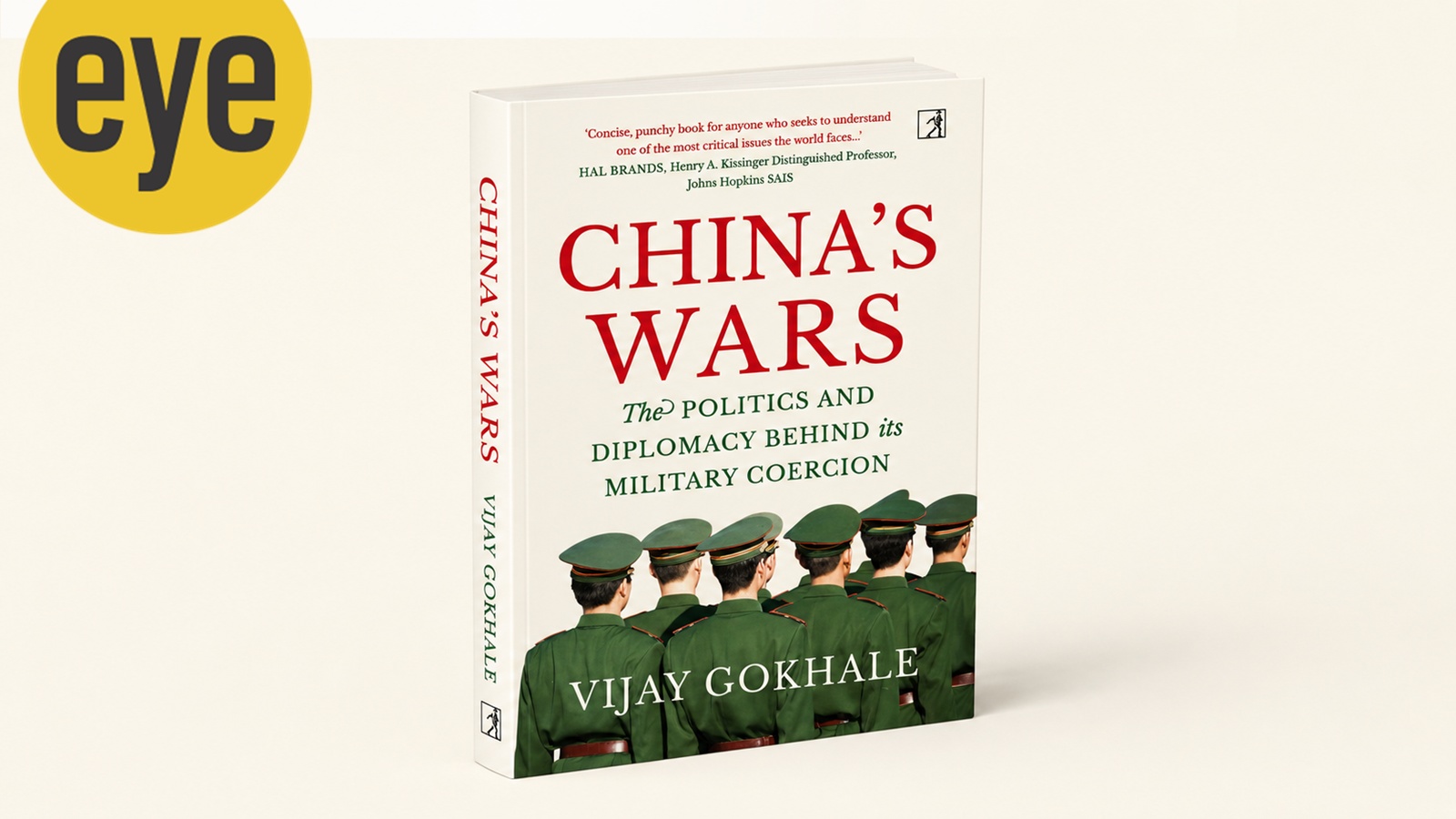
China's Wars: Vijay Gokhale decodes Beijing's military strategy and coercion

Political Leadership Chose Not to Cross LoC, Ex-IAF Chief Says

Lai Calls for Strength to Preserve Taiwan Strait Peace

Naravane Says China Is India’s Main Long-Term Competitor
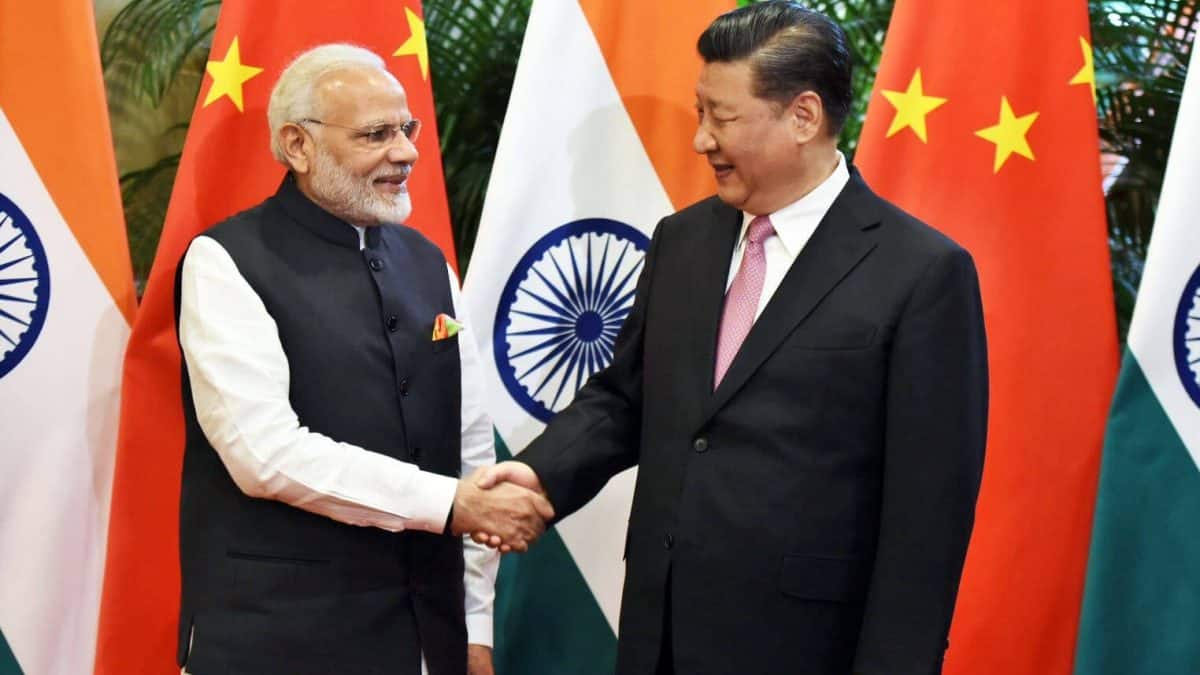
Why Delhi Should Bargain Hard With Xi’s China
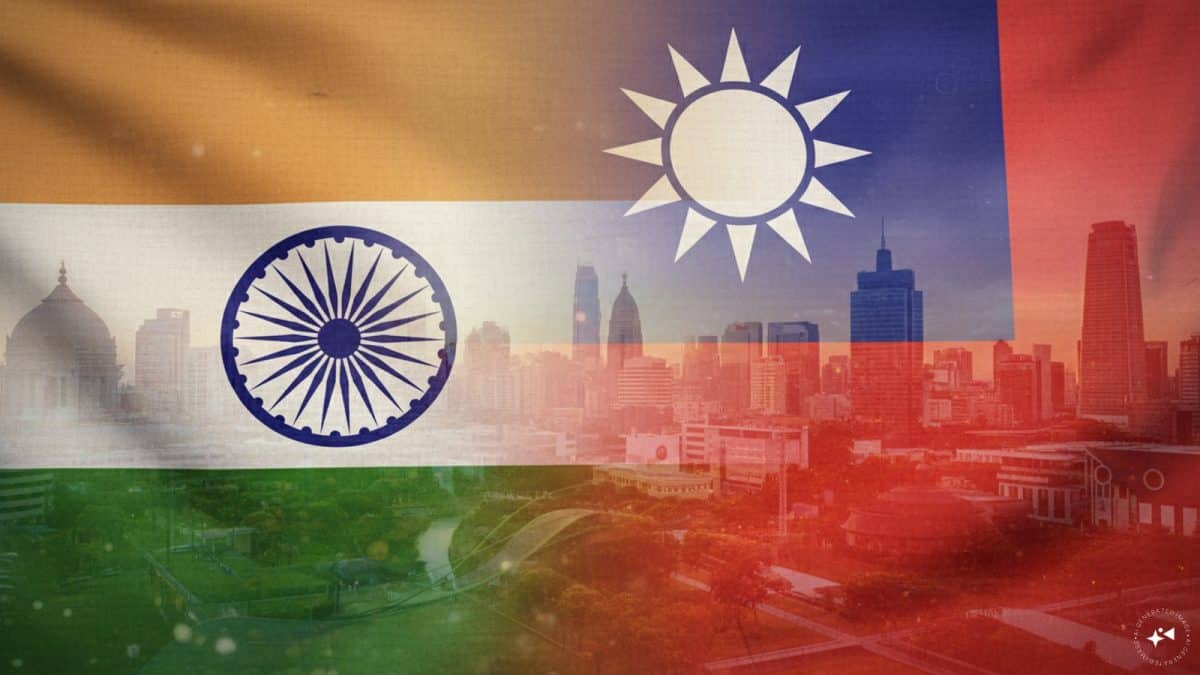
Taiwan’s War Lessons for India Beyond Border Conflict
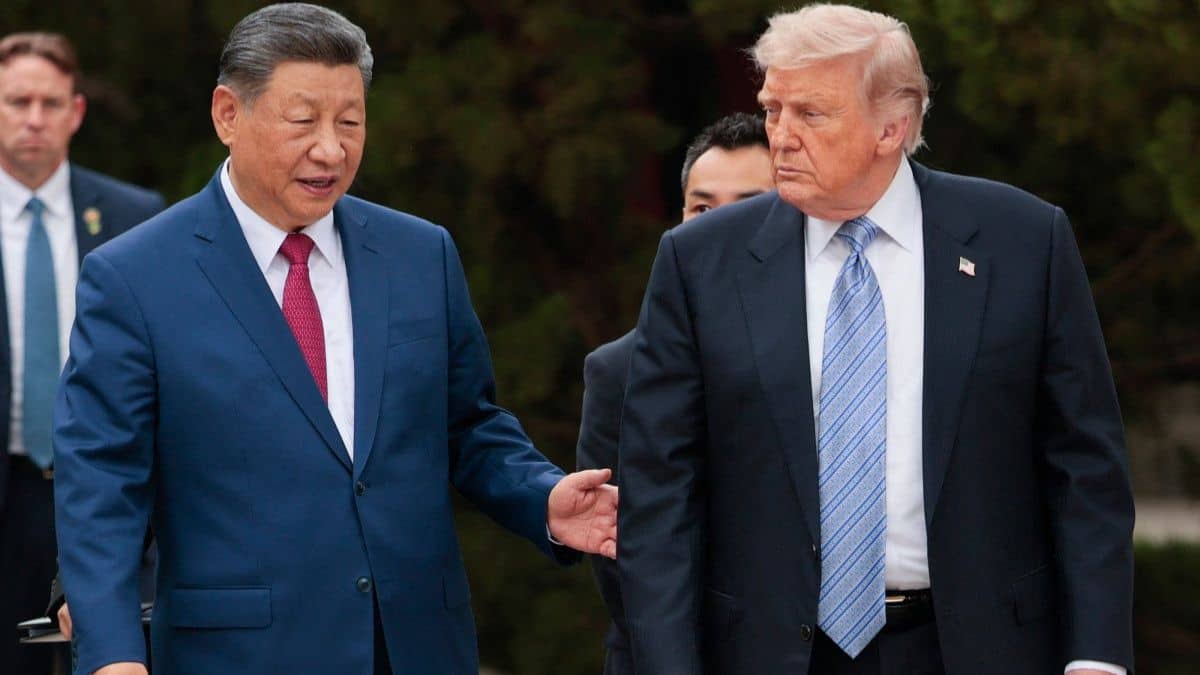
US Navy Taiwan Strait Transit Precedes Planned Xi-Trump Meeting
Why Taiwan and the South China Sea Matter Globally
China calls Taiwan's Han Kuang war games a 'wasteful charade'
Taiwan to raise defence spending above T$1 trillion in 2027