2 weeks ago
GLP-1 Obesity Drugs Show Early Promise Against Hormonal Disorder PMOS
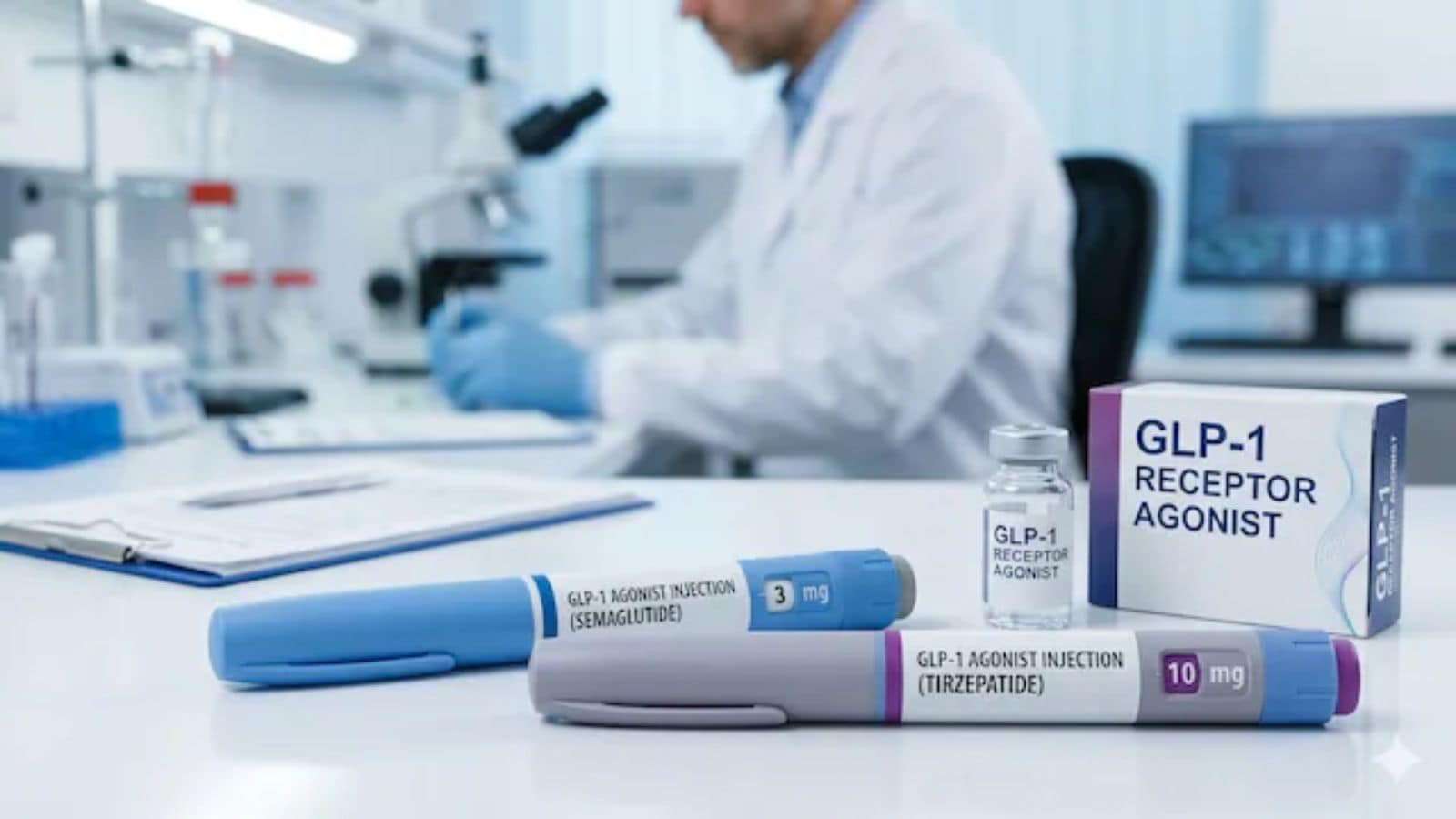
Some girls and women have a health problem called PMOS that can cause weight gain, missed periods, and extra hair on their faces.
About one in eight women around the world have it, but doctors often take years to figure out what is wrong.
Lately, scientists have been testing special medicines usually used for diabetes and weight loss to see if they can help.
These medicines, called GLP-1 drugs, seem to help the body use food better and can make periods more normal.
A study found that most of the girls and women who took them lost a lot of weight and had healthier hormone levels.
One teenage girl named Charlotte took the medicine for ten months and said she felt like a normal person for the first time.
But the medicine does not work for everyone, and some people feel sick when they take it.
Also, many health insurance plans will not pay for the medicine because it is not officially approved for PMOS yet.
That means some people who need it cannot get it, which makes them sad and frustrated.
Scientists are still studying these medicines to learn more.

A small study published in June found that eight of 11 participants with PMOS taking weekly semaglutide injections lost at least 10% of their body weight, with a median drop in testosterone of 52%.
PMOS, a hormonal condition affecting 1 in 8 women worldwide, was renamed earlier this year from polycystic ovary syndrome to shift focus away from ovaries and cysts.
Dr. Melanie Cree of Children's Hospital Colorado has led three studies testing GLP-1 drugs for PMOS, finding improvements in weight, insulin resistance, hormone balance and ovulation.
Some researchers say GLP-1s show promising potential for PMOS, while others say the evidence remains uncertain and more studies are underway.
Insurance coverage is a common barrier because the drugs are not approved to treat PMOS, and study participant Charlotte Touzalin had to stop treatment in June when her free medication ended.
- Who
- Charlotte Touzalin, an 18-year-old PMOS patient from Colorado, her mother Anne Schultz, and researchers such as Dr. Melanie Cree of Children's Hospital Colorado and Dr. Rana Malek of the University of Maryland Medical System.
- What
- Early research shows GLP-1 obesity drugs may improve weight, insulin resistance, hormone balance and ovulation in women with the hormonal disorder PMOS, though evidence remains limited.
- Where
- The study involving Touzalin was led at Children's Hospital Colorado; other studies globally have shown similar positive results.
- When
- Early data from the study was published in June; Touzalin stopped taking the drug in June after her study participation ended.
- Why
- PMOS is a common hormonal condition with no known cause or specific treatment, and researchers hope GLP-1 drugs can address the underlying metabolic issues.
Optimistic about GLP-1s for PMOS
Cautious about GLP-1s for PMOS
Strength of evidence
Optimistic about GLP-1s for PMOS
Some researchers say GLP-1s are already showing promising potential for targeting metabolic issues in PMOS, and doctors are increasingly prescribing them off label with visible improvements.
Cautious about GLP-1s for PMOS
Others say the evidence remains uncertain because the studies are small, and more research is needed before drawing firm conclusions.
Use as treatment
Optimistic about GLP-1s for PMOS
Doctors report using the drugs extensively in clinical practice and finding them incredibly effective and exciting for improving symptoms in women with the condition.
Cautious about GLP-1s for PMOS
Doctors stress that results vary, GLP-1s don't work for everyone, can have side effects like nausea and constipation, and weight can return if people stop taking them.
Insurance coverage despite lack of approval
Optimistic about GLP-1s for PMOS
Some doctors find it frustrating that many PMOS patients can't get the drugs because insurers don't cover them, since they can help a lot of patients.
Cautious about GLP-1s for PMOS
Insurers may deny coverage because the drugs are not approved to treat PMOS, and some insurers do not cover them for weight loss either.
Key facts
- Condition
- Polyendocrine metabolic ovarian syndrome (PMOS), formerly polycystic ovary syndrome
- Prevalence
- Affects 1 in 8 women worldwide
- Study Drug
- Semaglutide (GLP-1), given as weekly shots over 10 months
- Study Results
- 8 of 11 participants lost at least 10% of body weight; median weight loss about 42 pounds; median testosterone drop 52%
- Publication
- Early study data published in June in the journal Fertility and Sterility
- Researchers
- Dr. Melanie Cree, PMOS clinic director at Children's Hospital Colorado, led three studies
- Access Barrier
- Insurance often does not cover GLP-1 drugs for PMOS because they are not approved for the condition
Quotes
Charlotte Touzalin
18‑year‑old college student, participant in semaglutide trial
“I use these medicines a great deal”
 NDTV
NDTV
“I’d go home and I’d cry”
NDTV
Dr. Melanie Cree
Clinic director at Children’s Hospital Colorado, leading GLP‑1 studies for PMOS
“We need to do a better job taking care of it”
NDTV
Sources
Related news
Doctor With PCOS Took Inositol for 60 Days, Shares Results

Serena Williams Defends GLP-1 Weight-Loss Drug Use; Doctors Urge Caution
PCOS Symptoms Return Despite Weight Loss, Doctor Explains Why

Study Links Ozempic-Like Drugs to Increased Hair Loss Risk