3 hrs ago
US Sanctions Bill Risks India’s Energy Security and Strategic Autonomy

The US Congress passed a bill that could punish countries buying Russian oil.
India buys Russian energy and worries that the punishment could make energy more expensive or harder to obtain.
The bill could allow tariffs as high as 100 percent.
India’s foreign minister, S. Jaishankar, said India has the right to provide energy for its 1.4 billion people.
He also warned that the bill could hurt relations between India and the United States.
The article says this policy is too broad and may not solve international conflicts.
A similar US sanctions law from 2017 included an exception for India’s purchase of Russian missile-defense equipment.
Diplomats may still try to find a compromise.

The Lindsey O. Graham Sanctioning Russia and Iran Bill could impose tariffs of up to 100% on countries importing Russian oil.
The measure is aimed particularly at India and China, raising concerns about India’s energy security and foreign-policy autonomy.
External Affairs Minister S. Jaishankar defended India’s right to secure energy for its 1.4 billion people.
Jaishankar warned that using the bill against India could have potential consequences for India-US relations.
The article argues that the bill repeats flaws in the 2017 CAATSA approach, while leaving room for behind-the-scenes diplomacy.
- Who
- The US Congress, the Donald Trump administration, India, China, and External Affairs Minister S. Jaishankar.
- What
- Congress passed a bill empowering the White House to impose tariffs of up to 100% on countries importing Russian oil.
- Where
- The policy concerns US relations with India and China, as well as Russian oil imports.
- When
- The bill was discussed after its passage; the article also references the 2017 passage of CAATSA.
- Why
- The bill is intended to pressure Russia and Iran, but it could affect India’s energy security and strategic autonomy.
India’s energy security and autonomy
US pressure through sanctions
Effect of tariffs
India’s energy security and autonomy
India’s position, as presented by S. Jaishankar, is that it must ensure energy security for its 1.4 billion people and retain room for strategic autonomy.
US pressure through sanctions
The bill empowers the White House to impose tariffs of up to 100% on countries importing Russian oil, particularly targeting India and China.
Approach to foreign policy
India’s energy security and autonomy
The article argues that the bill is reckless, blunt, and flawed because it could damage India-US ties and worsen energy insecurity.
US pressure through sanctions
The bill reflects an effort by the US Congress and administration to pressure Russia and Iran through sanctions and related economic penalties.
Prospects for compromise
India’s energy security and autonomy
India’s current stance leaves room for accommodation without abandoning core interests, according to the article.
US pressure through sanctions
The article indicates that behind-the-scenes diplomacy could produce an accommodation, as happened when CAATSA allowed an exception for India’s S-400 purchase.
Key facts
- Legislation
- Lindsey O. Graham Sanctioning Russia and Iran Bill
- Potential tariff
- Up to 100% on countries importing Russian oil
- Countries targeted
- India and China
- India’s stated concern
- Protecting energy security for 1.4 billion people
- Indian official
- External Affairs Minister S. Jaishankar
- Earlier law
- Countering America’s Adversaries Through Sanctions Act, passed in 2017
- Earlier exception
- An exception was made under CAATSA for India’s purchase of the Russian S-400 missile-defense system
Sources
Related news
India Warns US Sanctions Bill Could Strain Ties
India Defends Energy Security After US Russia Sanctions Bill
India, China and Russia Resist US Russia Sanctions Bill
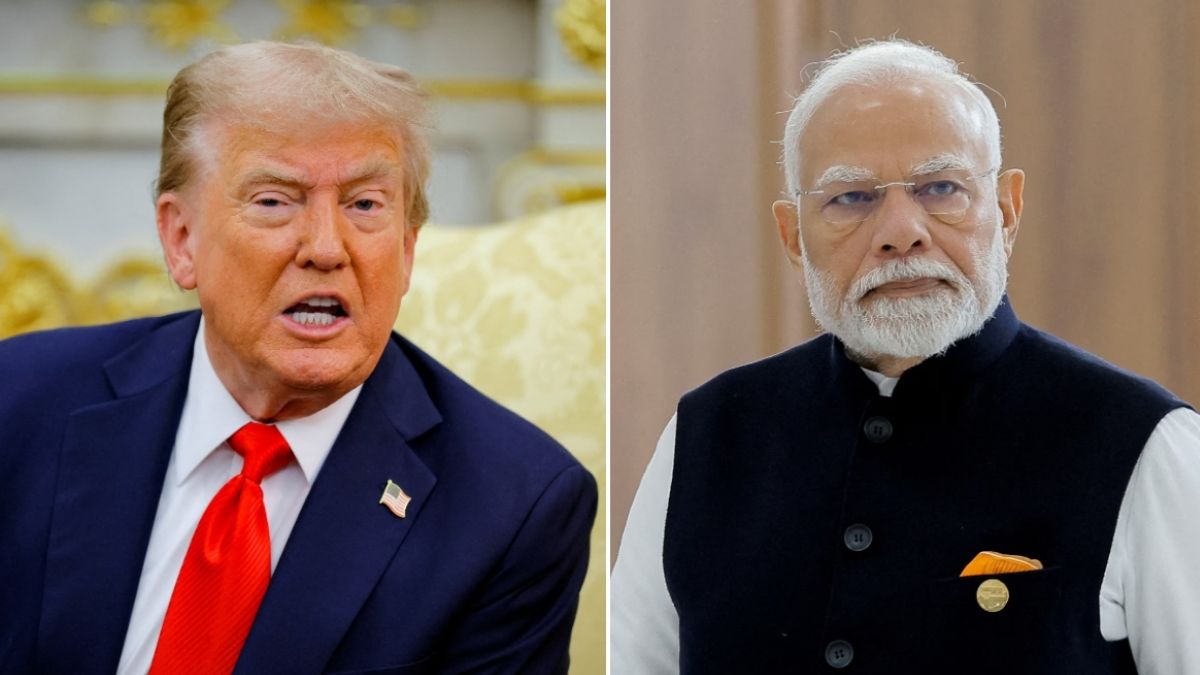
Trump Signs Russia Sanctions Law, Putting India Ties Under Pressure
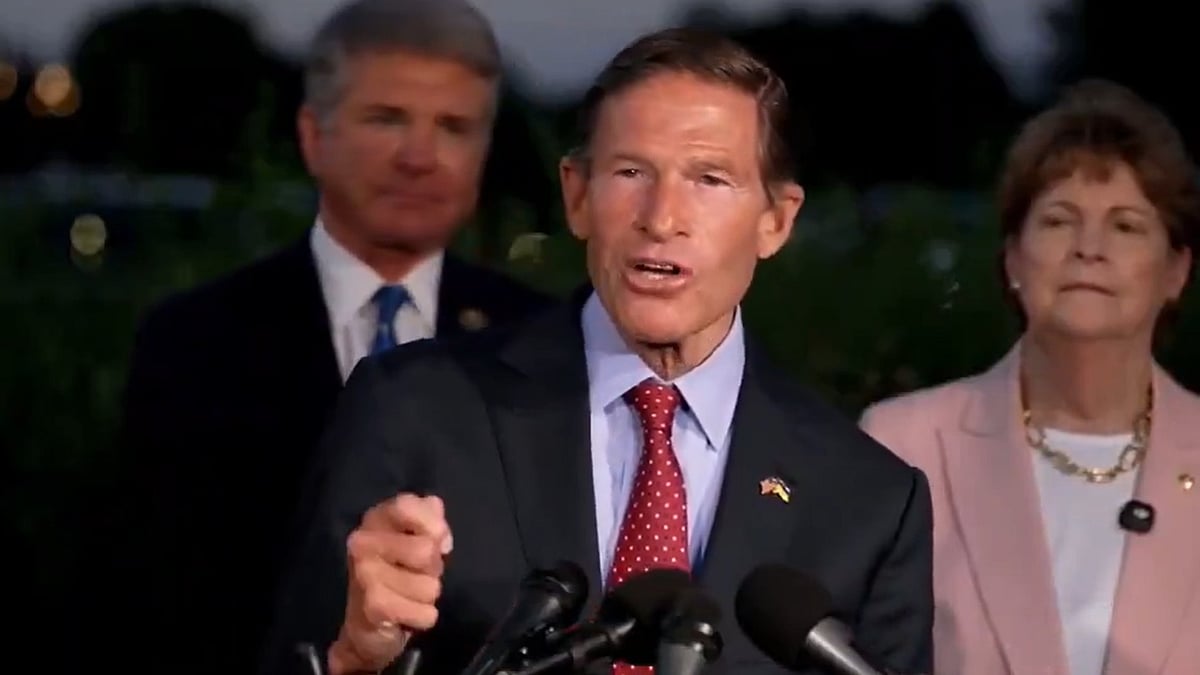
US Sanctions Bill Puts India, China Under Russian Oil Pressure
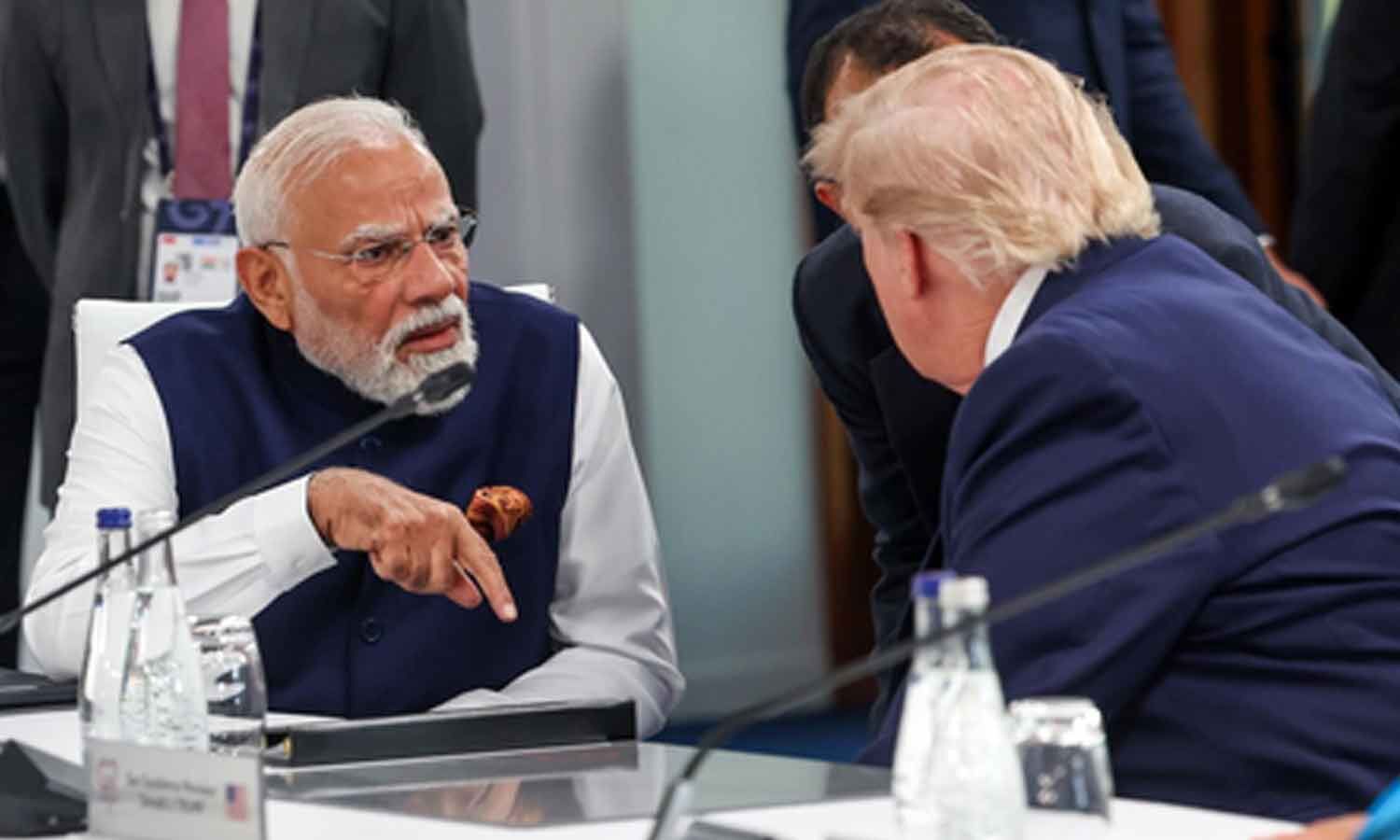
US Russia Sanctions Bill Raises India Tariff Risk
Turkey Proposes Gaza Administration Before Hamas Disarmament