

1 hr ago
Why Games Medals Do Not Come With Organisers’ Cash Prizes
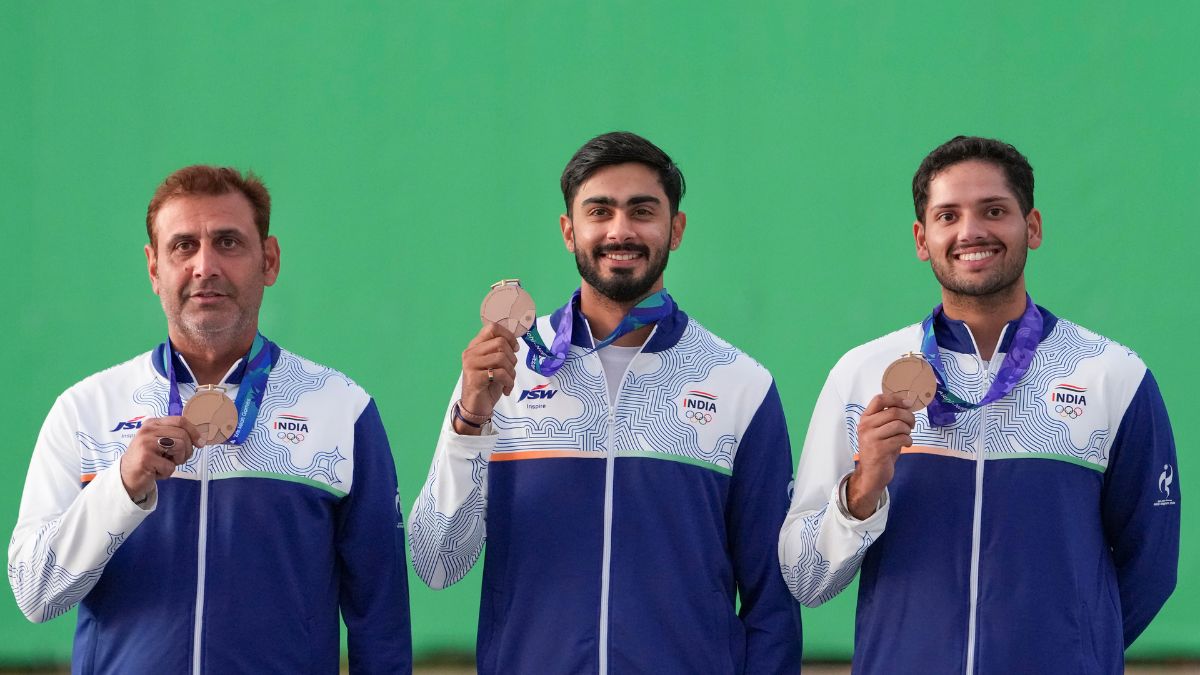
The Games give athletes medals to show that they finished first, second or third.
The organisers usually do not attach a cheque to those medals.
Instead, each athlete’s country or sports organisation decides whether to provide money.
This means the same medal can lead to very different rewards in different countries.
Singapore, for example, offers large payments for medals, while Thailand has its own separate reward system.
Some payments are taxed, while Thailand treats its rewards as tax-free gifts.
The system comes partly from the Olympics’ old idea that athletes should compete as amateurs.
Today athletes can be professionals, but the organisers have kept the medal and prize-money systems separate.
Some sports groups, such as World Athletics, have started paying athletes directly.

The Olympics, Asian Games and Commonwealth Games award medals and diplomas, not a universal cash prize from organisers.
Cash rewards are instead set by national governments, Olympic committees, sports bodies or sponsors.
Payments vary widely: Singapore offers up to $1 million for an Olympic individual gold, while Thailand offers up to 12 million baht.
Some countries attach conditions to rewards; Singapore taxes payouts and requires athletes to return 20% to their sports associations.
World Athletics paid $50,000 to gold medallists in all 48 track-and-field events at the 2024 Paris Olympics.
- Who
- Athletes competing in the Olympics, Asian Games and Commonwealth Games, along with national governments, sports bodies and sponsors.
- What
- The Games award medals and recognition but generally do not provide a universal cash prize; financial rewards come from other organisations.
- Where
- The policy applies across the Olympics, Asian Games and Commonwealth Games, with reward systems differing by country.
- When
- The article discusses the current system and cites the 2022 Asian Games, the 2024 Paris Olympics and the ongoing Asian Games referenced in the report.
- Why
- The Games bring together athletes from different national sporting systems, while the Olympic movement historically separated medals from monetary rewards.
Separate national rewards
Direct organiser payments
Who should pay athletes?
Separate national rewards
National governments, Olympic committees, sports federations and sponsors should determine rewards because countries have different funding systems and resources.
Direct organiser payments
Athletes should receive a direct share of the revenue generated by major international competitions rather than depending on their country of representation.
Historical tradition versus modern sport
Separate national rewards
Keeping medals separate from cash reflects the Olympic movement’s historical distinction between sporting achievement and monetary rewards.
Direct organiser payments
Professional athletes compete in a heavily commercialised system, so direct prize money can be viewed as a fairer way to recognise their contribution.
Key facts
- Official Games prize
- Medals and diplomas are awarded to the top three finishers; organisers generally do not provide a fixed cash purse.
- Olympic cash policy
- The International Olympic Committee does not set a universal payment for Olympic gold, silver or bronze medals.
- Singapore Olympic reward
- An individual Olympic gold medal can receive a payout of $1 million under Singapore’s Major Games Award Programme.
- Thailand Olympic reward
- An individual Olympic gold medal can bring a maximum reward of 12 million baht, while silver brings 7.2 million baht and bronze 4.8 million baht.
- Uzbekistan Asian Games rewards
- For the 2022 Asian Games, Uzbekistan announced state-funded rewards of $10,000 for gold, $5,000 for silver and $2,500 for bronze.
- World Athletics payment
- Gold medallists in all 48 track-and-field events at the 2024 Paris Olympics received $50,000; relay payments were shared among team members.
- Singapore conditions
- Singapore’s awards are taxable, and athletes must return 20% of the prize money to their National Sports Association.
Sources
Related news

Fencing Association Offers Cash Prizes for Asian Games Medallists

Haryana Rewards Commonwealth Games Medal Winners With Cash Prizes

Maharashtra Expands Cash Rewards Across National Sports Competitions
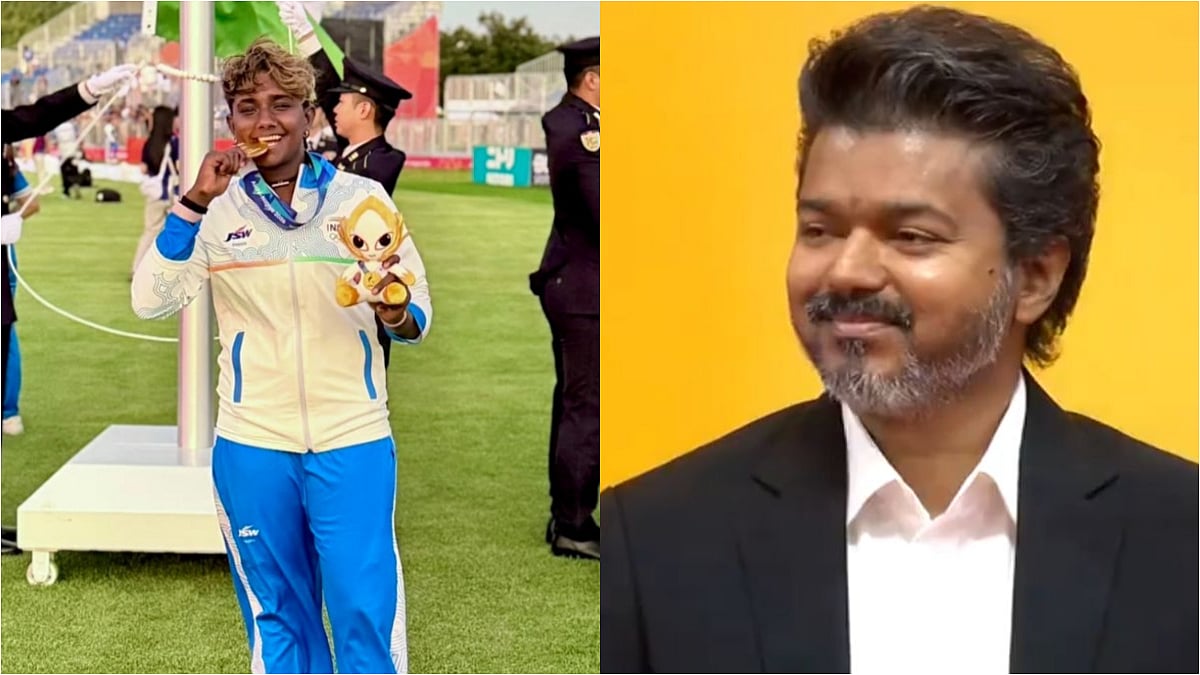
Tamil Nadu Announces ₹75 Lakh Reward for Kamalini

IOA Introduces Memorial Trophies Honoring Raja Randhir Singh, Jaspal Rana

Mirabai Chanu Ends India’s 28-Year Asian Games Weightlifting Wait
India’s Sports Medal, Weather Alerts, Gaza Plans, and More
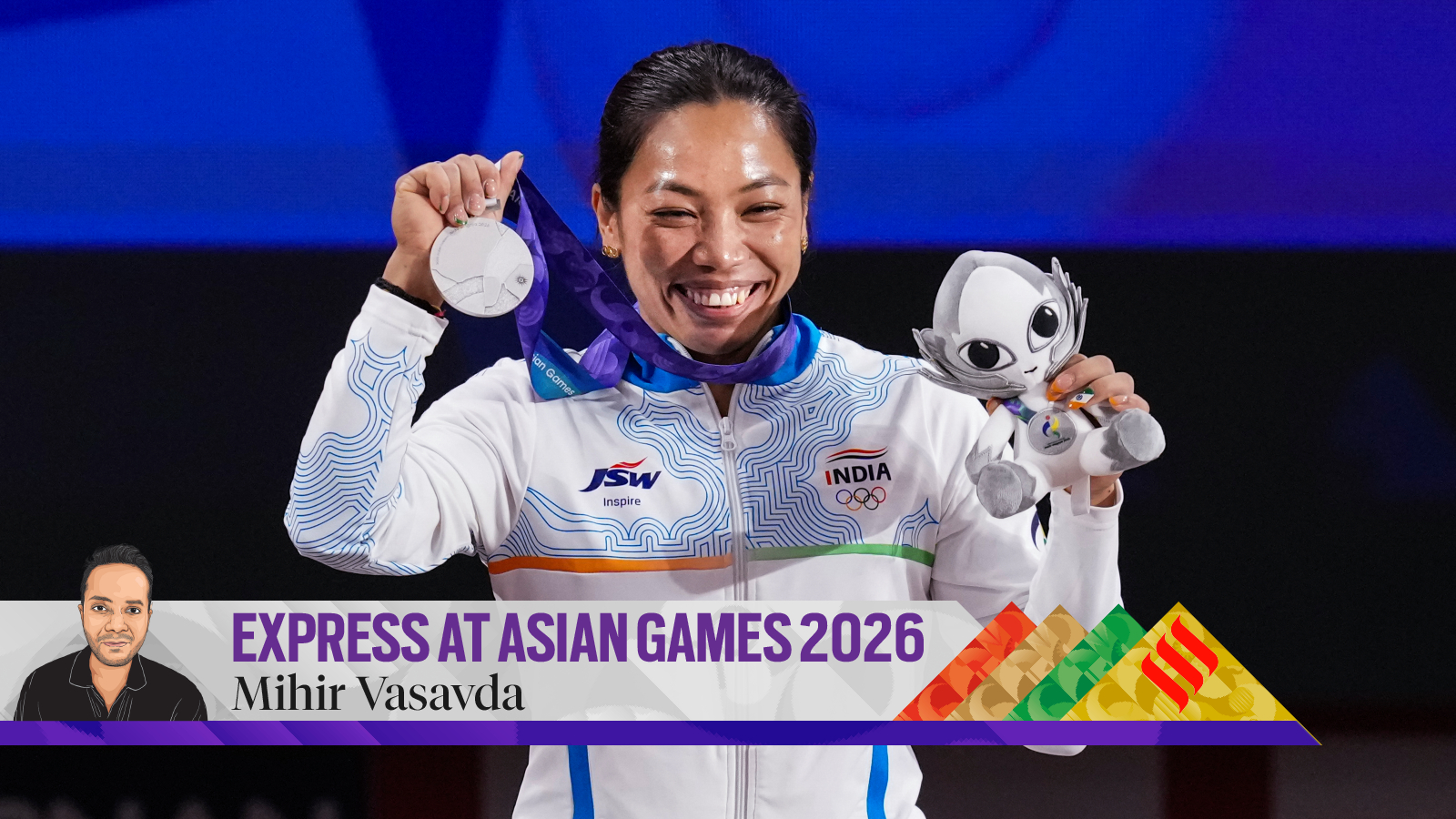
Mirabai Chanu Wins Long-Sought Asian Games Weightlifting Silver
Mirabai Chanu Wins Asian Games Silver After Years of Setbacks
