

3 weeks ago
Indian Politics Needs Far-Reaching Reforms, Not Whimsical Fixes

Judges at the highest court in India are deciding a fight between two groups of politicians from the same party in the state of Maharashtra.
During the case, the judges said that elected politicians cannot simply ignore their party's official instructions just because most of them agree with each other.
They also said that a strong democracy needs parties and their members to remain loyal to their beliefs.
A writer who works to make elections fair in India disagrees with the judges' idea.
He says that many political parties are run like small kingdoms by a few powerful bosses, not by fair votes.
He thinks these bosses often force politicians to vote against what they believe is right.
He wants parties to allow their members to speak and vote freely, and he wants bigger changes to how elections and government work.
He explains that when party leaders always give orders, elected offices lose their meaning and democracy becomes weak.
He believes democracy grows strong when people listen to each other and settle their differences peacefully.

The Supreme Court of India, hearing the dispute between Shiv Sena factions in Maharashtra, reportedly observed that a group of legislators cannot override the parent party's official directives merely because they hold a majority among elected members.
The bench also said that the maturity of a democracy is measured by the constancy of political parties and their members to their ideology.
In a signed commentary, Lok Satta founder Dr. Jayaprakash Narayan called the reported assumption a 'dangerous delusion' that strengthens the autocracy of unelected party oligarchs, and urged far-reaching democratic reforms rather than whimsical fixes.
The article cites past cases of party oligarchies acting against the public good, including efforts to bring down PV Narasimha Rao's government, opposition to the Manmohan Singh government's Indo-American Nuclear Agreement, and Rajiv Gandhi's Congress forcing MPs to vote for the Muslim Women's Bill, which pushed principled opponent Arif Mohammad Khan to quit.
The piece also recounts that after winning the 2019 mandate as a BJP and Shiv Sena alliance, the Shiv Sena leadership instead formed a coalition with Congress and the NCP, leading to a split in the party, with the Shinde faction emerging as the people's choice in the 2024 election.
- Who
- The Supreme Court of India, whose bench is hearing the dispute between Shiv Sena factions in Maharashtra, and Dr. Jayaprakash Narayan, founder of the Lok Satta movement, who wrote the commentary.
- What
- A debate over whether elected legislators must obey their party's official directives, with the court reportedly backing party discipline and the author calling instead for far-reaching reforms of India's political and electoral system.
- Where
- India, mainly the state of Maharashtra, with the dispute before the Supreme Court of India.
- When
- Not specified in the article; the Supreme Court hearing is ongoing, and the piece refers to the 2014–2019 Maharashtra coalition, the 2019 election, and the 2024 election.
- Why
- The author argues that autocratic and oligarchic control of political parties weakens and discredits democracy, and that strengthening party bosses without internal party democracy would be a 'death knell of democracy'; he calls for far-reaching democratic reforms.
Party discipline view
Democratic reform view
Legislator independence vs. party directives
Party discipline view
The Supreme Court bench reportedly observed that a group of legislators cannot override the official directives of the parent party merely because they hold a majority among elected members.
Democratic reform view
Dr. Jayaprakash Narayan argues that elected legislators should have greater freedom to voice opinions and vote according to their best judgement; otherwise legislatures become irrelevant.
What measures democratic maturity
Party discipline view
The bench expressed that the maturity of a democracy is measured by the constancy of political parties and their members to their ideology.
Democratic reform view
The author says strengthening the autocracy of unelected party oligarchs and coteries is a 'dangerous delusion' and that hyper-partisan leadership dictating outcomes would be a 'death knell of democracy'.
Role and power of political parties
Party discipline view
The court's reported view implies that legislators should abide by the party's official ideology and directives as integral parts of a democratic system.
Democratic reform view
Citing philosopher Michael Dummett, the author calls parties 'conspiracies' in which legislators agree to vote in unison contrary to their own opinions; their centralized power over candidates is inimical to democracy, so internal party democracy is needed.
Key facts
- Author
- Dr. Jayaprakash Narayan, founder of the Lok Satta movement and the Foundation for Democratic Reforms
- Court
- Supreme Court of India
- Case
- Dispute between Shiv Sena factions in Maharashtra
- Court observation
- Legislators cannot override parent party directives merely by holding a majority among elected members
- Maharashtra coalition (2014–2019)
- BJP and Shiv Sena
- 2019 aftermath
- Shiv Sena broke its alliance with the BJP and formed a coalition with Congress and the NCP
- 2024 election
- The Shinde faction emerged as the people's choice
- Philosopher cited
- Michael Dummett (1925–2011), Oxford philosopher and electoral reform authority
Quotes
Author
Founder of Lok Satta movement and Foundation for Democratic Reforms
“We need far-reaching democratic reforms, not quixotic, whimsical fixes.”
 freepressjournal.in
Sources
Related news

Supreme Court: Majority Legislators Cannot Overrule Party's Will

Supreme Court questions Shiv Sena constitution, calls it 'one-person structure'

Washout of monsoon session undermines India's parliamentary democracy
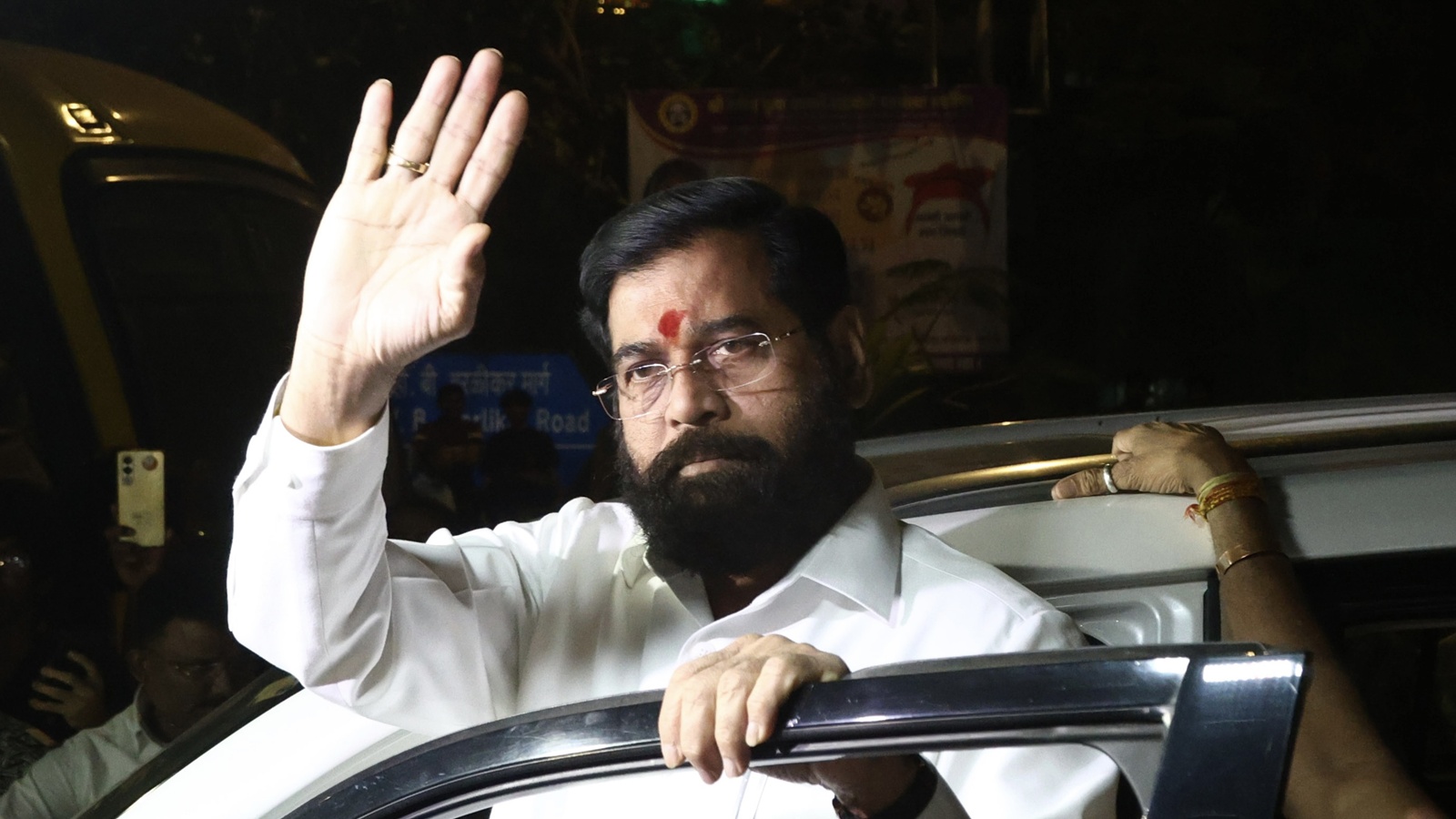
Supreme Court Seeks Clarity on Majority Amid Shiv Sena Split
India Needs More Meaningful MPs, Not Just More Seats

India’s Democratic Resilience Remains Its Best Bet Despite Governance Loopholes
BJP MLA Anil Sharma Dies After Prolonged Illness, Yogi Mourns
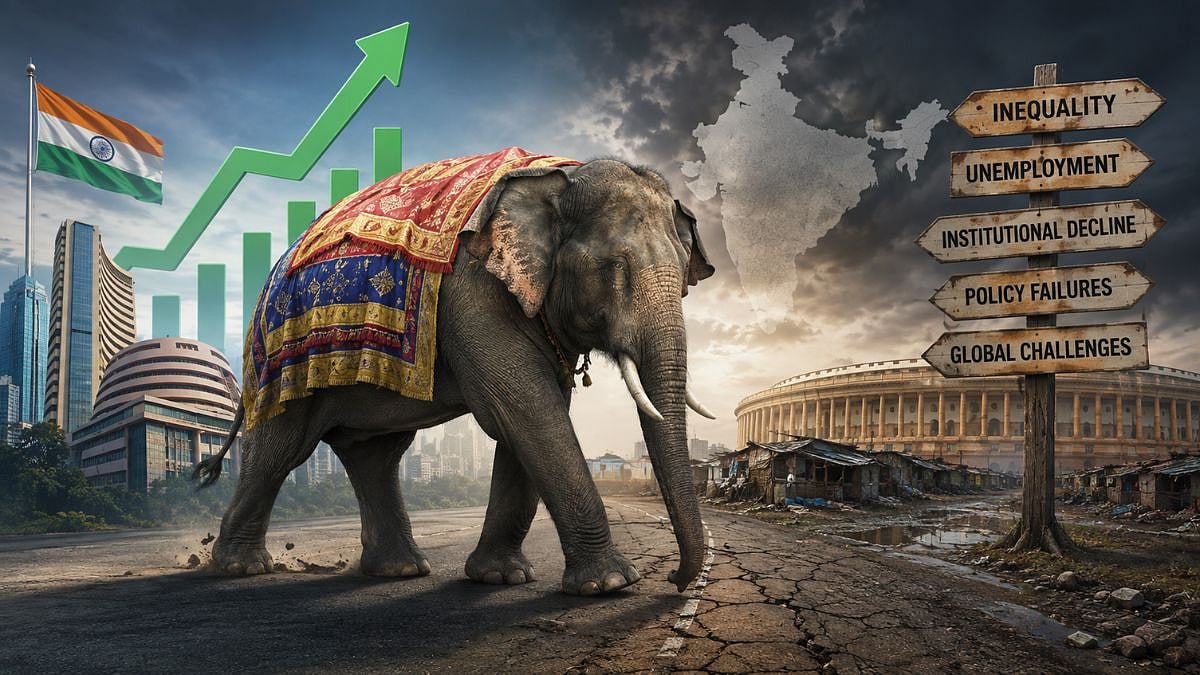
India’s Global Power Ambitions Face Economic and Democratic Setbacks
Sonia Gandhi Memoir Sparks Debate Over Politics, Publishing And Speech

Rajasthan BJP Promises Early Disturbed Area Law Enforcement

Punjab Police, ED Clash Over Alleged Transfer-Posting Network