

2 weeks ago
Ice cream brands turn to protein, smaller portions, simpler ingredients
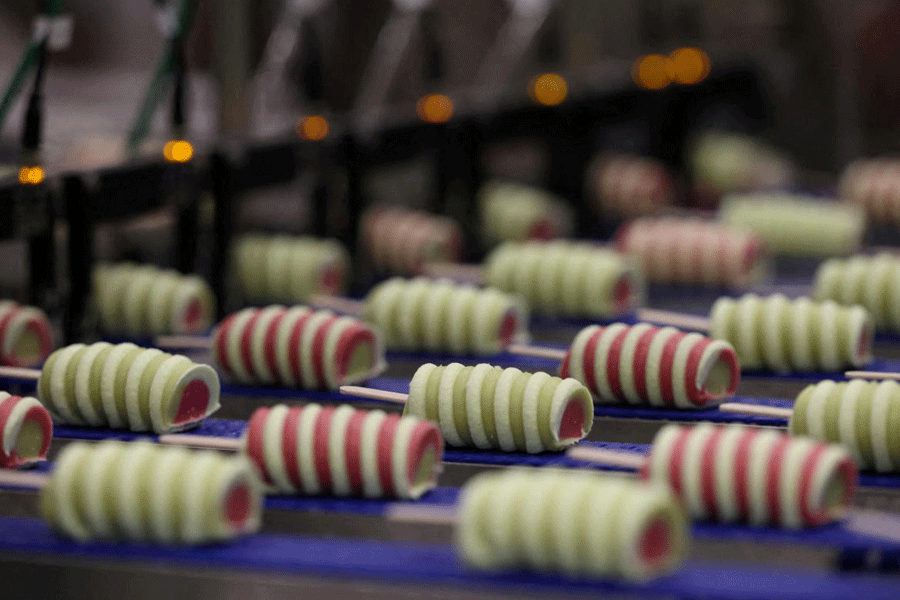
Many adults are taking special medicines called GLP-1 drugs that help them eat less and feel full.
People who take these medicines are eating less ice cream.
That means ice cream companies need new ideas to keep selling their treats.
Some companies are making smaller ice creams, like Blue Bunny's 150-calorie Mini Swirls.
Others are adding more protein and taking out ingredients like high-fructose corn syrup and artificial colours.
A brand called Halo Top is selling ice cream with half the calories of regular ice cream.
A frozen Greek yogurt brand called Yasso is growing very fast because it has more protein.
The companies hope people will still buy ice cream if it is a little healthier.
They want treats to still taste great so people keep coming back.
In the United States, ice cream sales went down a little, but healthier choices are doing well.

U.S. ice cream sales volumes fell 1.5% year-on-year through June 13, according to NielsenIQ.
Boston Consulting Group research shows GLP-1 users cut frozen treat consumption by at least 10%, with around 16 million Americans taking GLP-1 medicines.
Ferrero-owned Blue Bunny says demand is strong for its 150-calorie Mini Swirls and is removing high-fructose corn syrup, artificial colours and artificial flavours.
The Magnum Ice Cream Company is accelerating its wellness innovation, with Yasso delivering average annual growth of about 20% over the past five years.
Halo Top reports double-digit sales growth over the last two years versus roughly 2.5% for the wider market, according to Circana.
Dollar sales in the U.S. ice cream market rose about 2.8% over the past year, with super-premium products the only segment posting volume growth.
- Who
- Ice cream manufacturers including The Magnum Ice Cream Company, Ferrero's Blue Bunny and Halo Top, plus European producer Glacier.
- What
- Reformulating products with more protein, smaller portions and cleaner ingredient lists to appeal to health-conscious consumers.
- Where
- United States, with similar wellness trends noted in Europe.
- When
- Reported in summer 2026, based on sales data through June 13.
- Why
- The rise of GLP-1 drugs, demand for healthier foods and growing scrutiny of ingredients are reshaping consumer expectations.
Reformulation-First Approach
Portion-Control Approach
Portion sizes
Reformulation-First Approach
Halo Top prefers not to shrink serving sizes, instead pairing 'craveable flavours with a good source of protein and fewer calories than traditional ice cream.'
Portion-Control Approach
Blue Bunny sees strong demand for smaller 150-calorie portions such as Mini Swirls as a way to reduce guilt.
Ingredients vs. taste
Reformulation-First Approach
Brands like Blue Bunny prioritize cleaner ingredient lists, removing high-fructose corn syrup and artificial colours and flavours that consumers no longer want.
Portion-Control Approach
Glacier stresses that better-for-you foods must not compromise on taste, warning that consumers will stop buying if they feel they are sacrificing taste.
Key facts
- U.S. ice cream volume sales change
- -1.5% year-on-year through June 13 (NielsenIQ)
- GLP-1 users' frozen treat consumption
- Cut by at least 10% (Boston Consulting Group)
- Americans taking GLP-1 medicines
- About 16 million (Boston Consulting Group)
- Magnum brands' U.S. wellness segment share
- 26% of the $2.2 billion wellness and functional ice cream segment
- Yasso average annual growth
- About 20% over the past five years
- Halo Top sales growth
- Double-digit over the last two years vs. ~2.5% for the wider market (Circana)
- U.S. ice cream dollar sales growth
- Up about 2.8% over the past year (Circana)
Quotes
Andrew Mondzelewski
Senior director for brand marketing at Blue Bunny
“"We know that there are certain ingredients that they don't want to see in their products as much anymore."”
 telegraphindia.com
“"If you are on GLP‑1, if you're going to have a treat, you want it to be a really brilliant thing."”
telegraphindia.com
Sources
Related news
Nestle targets weight-loss drug users with AI-driven new products
Reliance Launches Bombay Creamery, Enters India’s Ice-Cream Market

GLP-1 Friendly Food Label Sparks Debate Over Diet Culture

Parle Supports Stricter Food Labels, Defends Parle-G Campaign

Expert Questions Whether GLP-1 Drugs Are Creating New Diet Culture
