1 hr ago
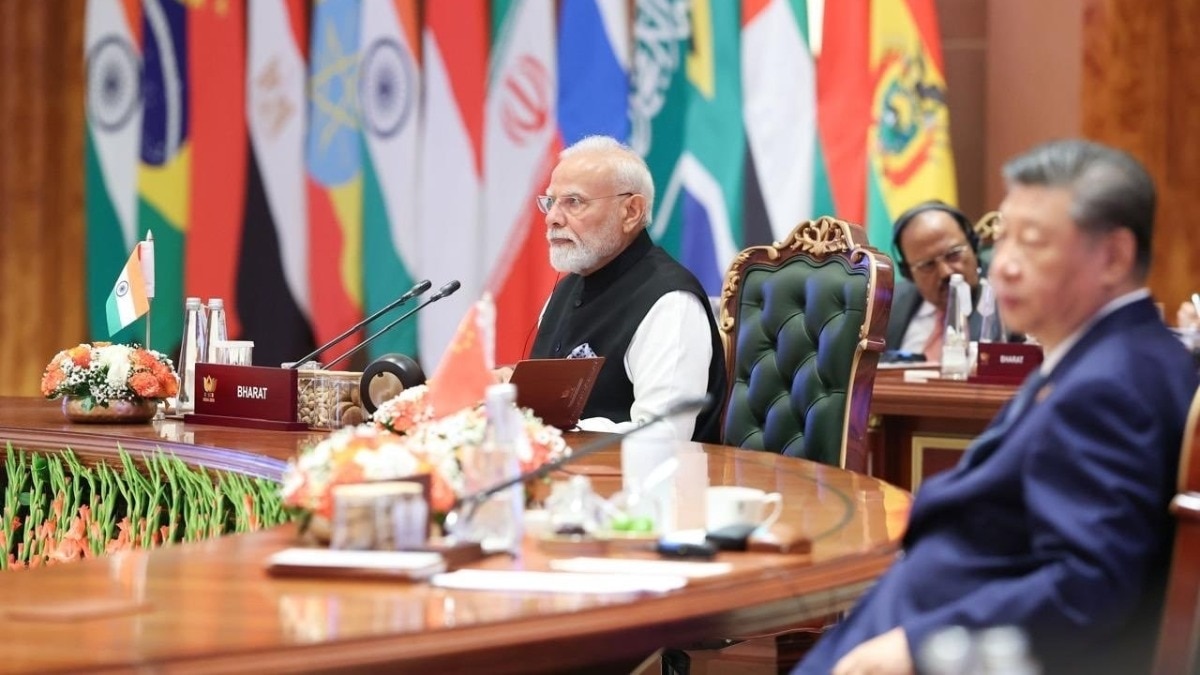
India’s BRICS Gains Test Its Balancing Act With West
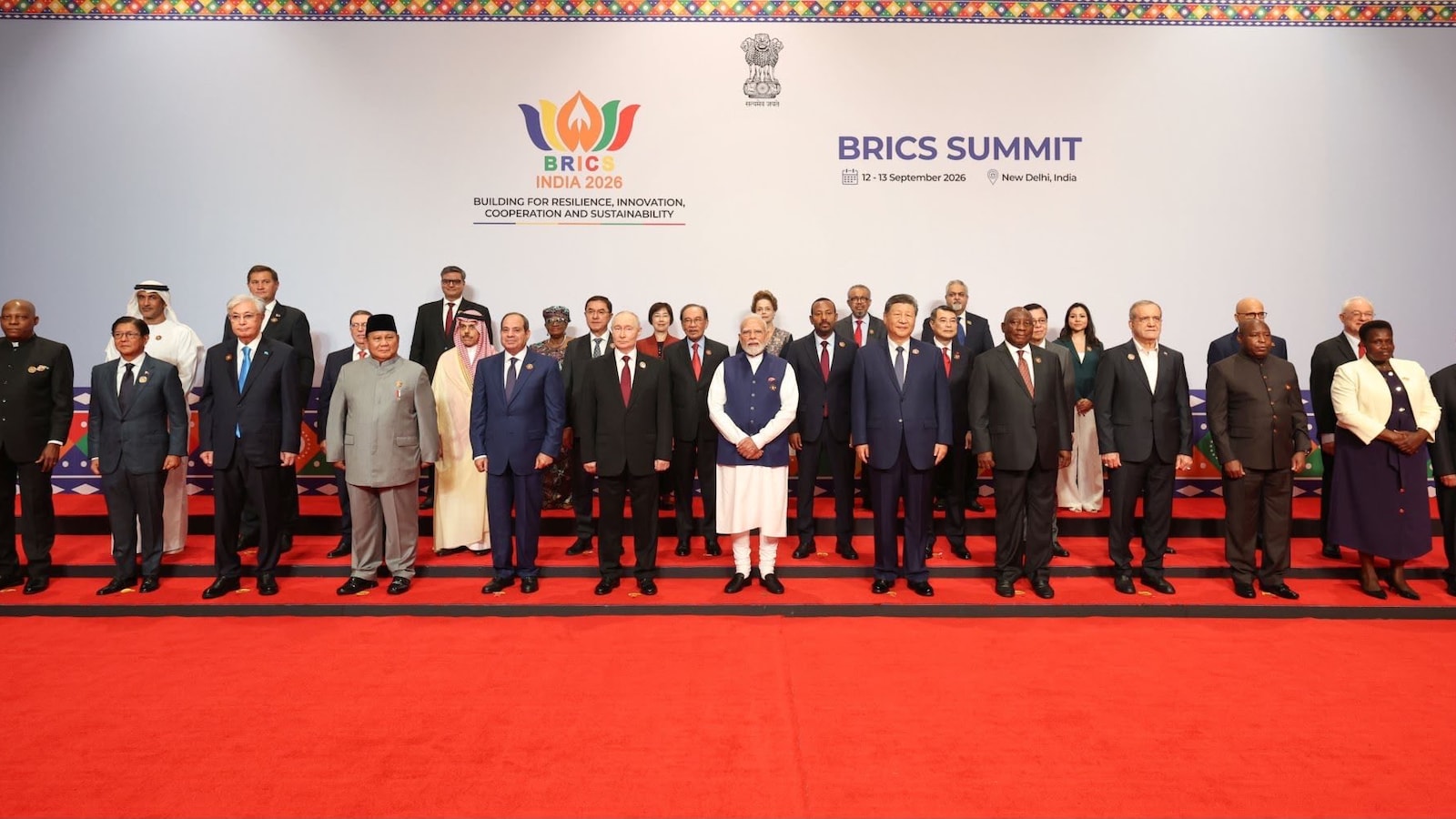
India led an important BRICS meeting in 2026.
All 11 members agreed to sign a long declaration even though they often disagree.
The countries discussed trade, money transfers, minerals, technology, farming, and cities.
They did not create a shared currency or a military alliance.
India wants BRICS to give it more choices and reduce the risk of relying on one powerful country.
At the same time, India still needs money and technology from the United States, Europe, Japan, and Australia.
China will lead BRICS in 2027, which could make India’s balancing act harder.
India’s success will depend on turning summit promises into real factories, businesses, and supply chains.

India secured a 140-paragraph declaration signed by all 11 BRICS members despite disagreements over regional conflicts and global tensions.
The summit backed United Nations Security Council reform, India’s permanent-seat aspirations, and the BRICS Economic Partnership Strategy 2030.
Members discussed local-currency trade and cross-border payment systems, but did not launch a common BRICS currency or replace the dollar.
Energy security, critical minerals, supply chains, technology, agriculture, and sustainable cities were included in the cooperation agenda.
India’s main challenge is converting diplomatic gains into investment, manufacturing, technology, and strategic influence while maintaining ties with Western countries and managing China’s role.
- Who
- India and the other 10 BRICS members, including China, Russia, Iran, and the United Arab Emirates.
- What
- India concluded its BRICS presidency with an agreed declaration covering economic cooperation, payments, United Nations reform, minerals, technology, and development.
- Where
- The summit concluded in New Delhi, India.
- When
- The summit took place in 2026; China is scheduled to hold the BRICS chairmanship in 2027.
- Why
- India used the presidency to strengthen its influence among developing countries, expand strategic options, and reduce reliance on any single international partner.
Key facts
- Members
- All 11 BRICS members signed the summit declaration.
- Declaration
- The final document contained 140 paragraphs.
- Economic plan
- Members endorsed the BRICS Economic Partnership Strategy 2030.
- Payments
- The declaration addressed cross-border payments and greater use of local currencies, without creating a common currency.
- United Nations reform
- The declaration supported reform of the Security Council and a larger role for developing countries.
- Critical minerals
- Members discussed cooperation on lithium, cobalt, nickel, rare earths, energy security, and supply chains.
- India’s challenge
- India must translate diplomatic agreements into trade, investment, manufacturing, technology, and practical supply chains.
Sources
Related news
India Balances Strategic Autonomy and Multilateralism at BRICS Summit
BRICS Summit Reaches Consensus Amid Global Tensions

BRICS Gives India Strategic Room to Maneuver
Delhi BRICS Summit Tests India’s Balancing Act Among Rival Powers
India Balances BRICS Reform With China’s Greater BRICS Push

Marizanne Kapp Withdraws From WBBL To Prioritize South Africa
Tendenthoi Devi Haobijam Builds Confidence for Asian Games

Australia Begin Zimbabwe ODI Series Ahead of 2027 World Cup
Seven former Australian captains make humanitarian appeal for Imran Khan