2 weeks ago
J&K Approves ₹82 Crore Migrant Camp Repairs Amid Safety Concerns
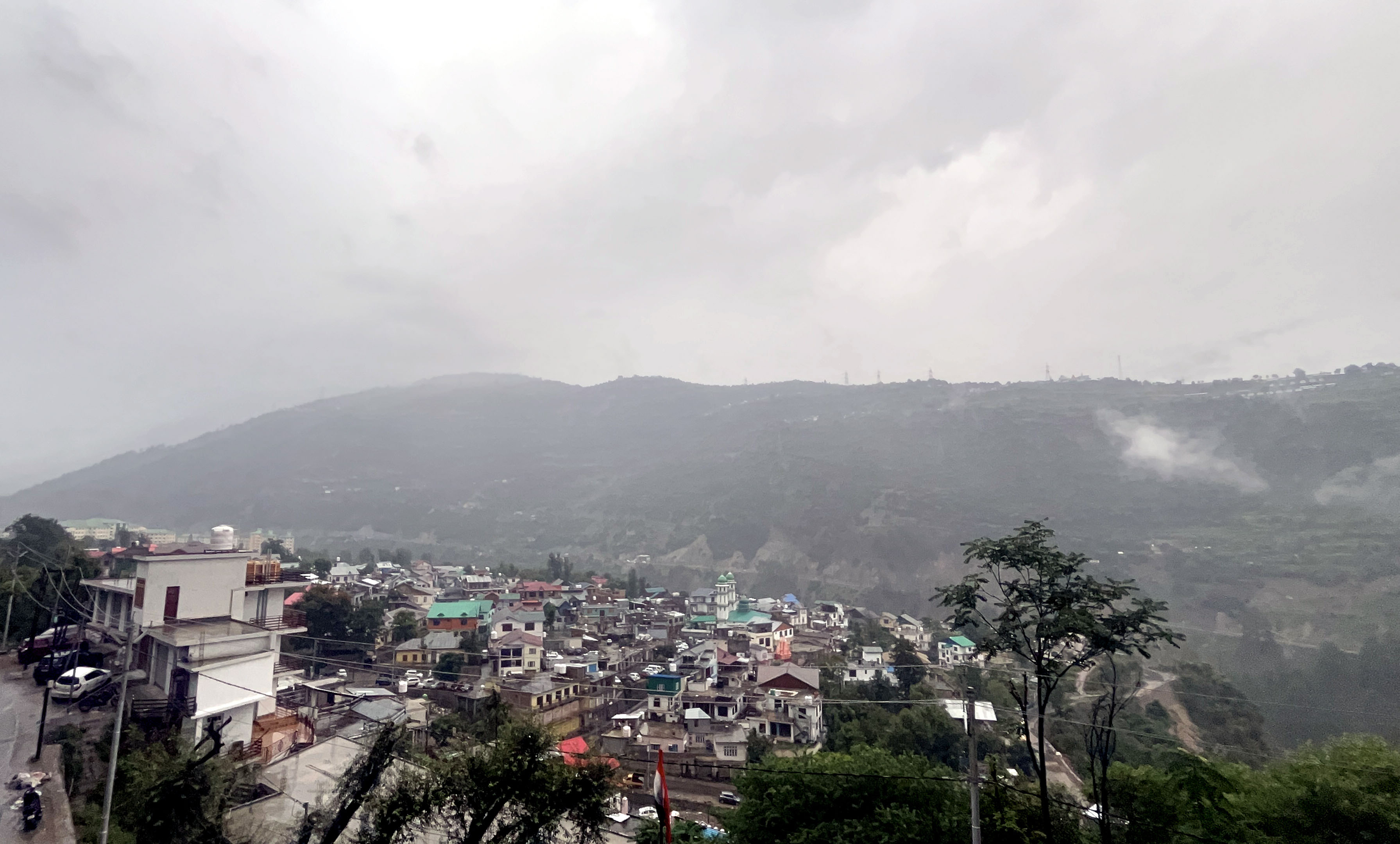
The Jammu and Kashmir government plans to spend ₹82.45 crore fixing 5,000 homes in migrant camps near Jammu.
Officials say repairs will begin soon after contractors are selected.
They also want engineers to check whether the buildings are structurally safe.
Residents worry that the money may only pay for paint, plaster and other small repairs.
They say some buildings have rusty metal supports, leaking roofs and water damage.
The government is also planning better water supply, sewage treatment and repairs to roads, schools and health facilities.
More than 2,600 families have received help accessing government welfare schemes.
Residents want safe, lasting homes instead of buildings that only look repaired.

The Jammu and Kashmir government approved ₹82.45 crore to repair 5,000 flats across migrant camps in Jammu.
Residents and activists say the funding may cover superficial repairs but not decades of structural deterioration.
Officials ordered structural audits and consultations with residents while planning repairs to roads, parks, schools and health facilities.
Additional projects include ₹10 crore for Jagti’s water supply and ₹11.5 crore for sewage treatment in three camps.
The government also reported that more than 2,600 families accessed welfare schemes after migrant ration cards were digitised.
- Who
- The Jammu and Kashmir government, camp officials, displaced Kashmiri families, residents and activists.
- What
- Approval of a ₹82.45-crore repair project for 5,000 flats, alongside proposed water, sewage and welfare initiatives.
- Where
- Migrant camps in Jammu, including Jagti, Muthi, TRT Nagrota, Buta Nagar and Purkhoo.
- When
- The repair decision was announced at a review meeting on Saturday and reported in an official statement issued on Sunday; a further welfare outreach drive is planned from the second week of September.
- Why
- The projects are intended to address deteriorating housing, infrastructure problems, water shortages, sewage needs and access to welfare schemes.
Government and Officials
Residents and Activists
Value of the repair project
Government and Officials
Officials say the approved funds will allow repairs to 5,000 flats and improvements to roads, parks, schools, dispensaries and the Sub-District Hospital in Jagti.
Residents and Activists
Residents and activists argue that ₹82.45 crore is inadequate for the scale of neglect and may result mainly in cosmetic repairs.
Structural safety
Government and Officials
The administration has directed officials to conduct structural audits and prioritise work in consultation with residents and camp commandants.
Residents and Activists
Residents want a formal engineering assessment before spending money, saying buildings with rusted reinforcement or unsafe structures may require reconstruction or major rehabilitation.
Meaning of a permanent solution
Government and Officials
The government is combining repairs with water, sewage, welfare and regular camp visits to address broader camp problems.
Residents and Activists
Activists say the government must address the root causes of decades of structural deterioration and provide safe, dignified housing rather than temporarily improving appearances.
Key facts
- Approved repair budget
- ₹82.45 crore
- Flats covered
- 5,000 flats across Jammu’s migrant camps
- Families in camps
- Nearly 7,000 displaced families
- Water project
- A proposed ₹10-crore project to augment water supply in Jagti Township
- Sewage project
- A ₹11.5-crore sewage treatment plant for Nagrota, Muthi-Buta Nagar and Purkhoo
- Welfare access
- More than 2,600 families accessed social-sector schemes after migrant ration cards were digitised
- Jagti housing
- Jagti Township has 4,242 two-room flats across 24 buildings and accommodates about 5,600 families
Quotes
Vishva Ranjan Pandita
Advocate and displaced Kashmiri community representative
“In several buildings, exposed and heavily rusted reinforcement iron is already visible. Before spending money on plaster, paint, flooring or other superficial repairs, the structural integrity of these buildings must be scientifically assessed. If the structures are found unsafe, they require reconstruction or major structural rehabilitation, not another layer of plaster”
 deccanchronicle.com
“The government needs to assess the actual requirement through a proper engineering survey and provide adequate funds accordingly. The objective must be to provide displaced families with safe and dignified housing, not merely make deteriorating buildings look presentable”
deccanchronicle.com
Sources
Related news
Rajasthan Demolishes Rampura School After CJP Campaign, New Building Approved

Owaisi Criticises Rajasthan Government Over Jaipur Civic Infrastructure

Kashmiri Pandit Staffers Seek Security After Threat Letters
Repairs begin in Dipke's village after CJP founder flags gaps
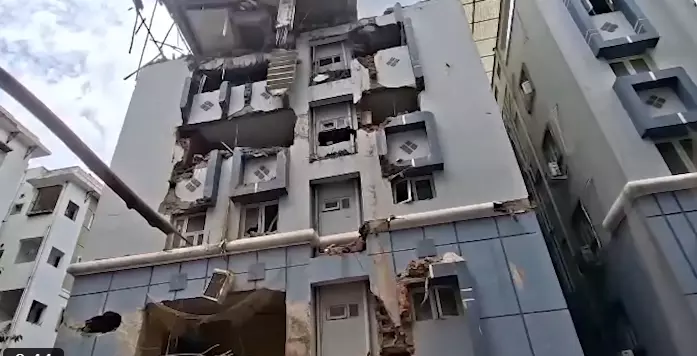
Jayadarshini Residency Residents Seek Damage Assessment and Compensation
Rajasthan Approves Rampura School Building After CJP Campaign
Kashmiri Pandits Mark Balidan Diwas, Renew Genocide and Homeland Demands
Renu Hans Clears Class 10 at 45 After 22 Years

Jammu Court Issues Second Warrant Against Hafiz Saeed

Jammu NIA Court Issues Fresh Warrant Against Hafiz Saeed

CWPL Gives Women Cricketers a Stage for Bigger Dreams