

1 hr ago
Five Years of Painkiller Use Left Farmer Needing Dialysis

A farmer took painkillers often for years so he could keep working through pain.
He worked long hours in the heat and sometimes became dehydrated.
The article says dehydration and some painkillers can put extra strain on the kidneys.
His kidneys became severely damaged, and he needed dialysis.
Kidney problems can grow quietly, without obvious symptoms at first.
Tiredness, swelling, nausea, changes in urination, or breathlessness can be warning signs.
Pain medicines can be helpful when used correctly, but people should not increase their dose or take them for a long time without advice.
Someone who regularly needs painkillers should talk with a doctor or pharmacist.

A 49-year-old farmer from Tiruvannamalai was diagnosed with end-stage kidney disease and needed urgent dialysis.
He had taken painkillers, including diclofenac and aceclofenac, without medical supervision for nearly five years.
Long, hot farm shifts caused heavy sweating and dehydration, which may have increased the strain on his kidneys while using NSAIDs.
The article explains that frequent or high-dose NSAID use can contribute to acute kidney injury and, over time, chronic kidney damage.
The author advises medical guidance for recurring pain and recommends kidney checks for people who use painkillers regularly.
- Who
- A 49-year-old farmer, identified as Mr S, and the nephrologist who recounts his case.
- What
- Mr S was diagnosed with end-stage kidney disease and needed urgent dialysis after years of unsupervised painkiller use.
- Where
- Mr S was from Tiruvannamalai and worked on a farm; he was seen in an outpatient clinic.
- When
- He had used the painkillers for nearly five years; the article does not give the date of his diagnosis.
- Why
- The author links his severe kidney damage to repeated NSAID use alongside dehydration from long hours working in the heat.
Key facts
- Patient
- 49-year-old farmer referred to as Mr S
- Painkiller use
- Nearly five years of self-medication
- Medicines named
- Diclofenac and aceclofenac, both NSAIDs
- Creatinine result
- 11.4 mg/dL; the article gives about 1.2 mg/dL as the usual upper limit
- Kidney findings
- Both kidneys were small and severely damaged on ultrasound
- Treatment needed
- Urgent dialysis
- Work conditions
- Long farm shifts in scorching heat with heavy sweating and dehydration
Sources
Related news

Frequent Painkillers and Antibiotics May Harm Kidney Health
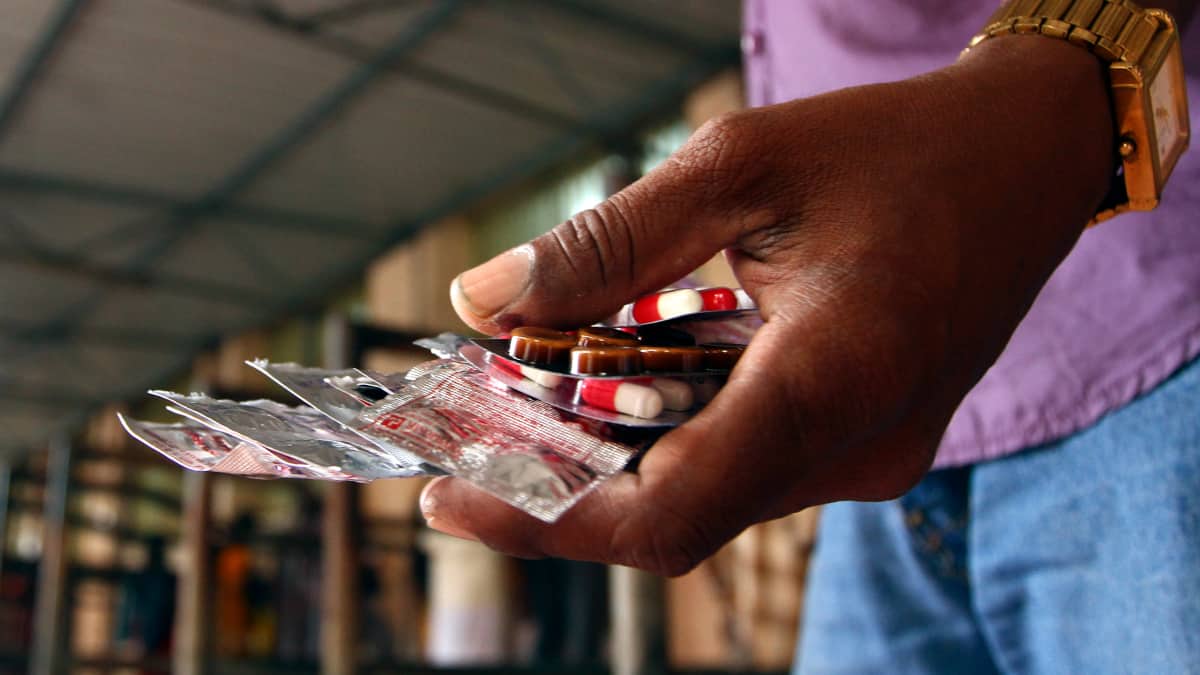
India's Drug Regulator Warns Against Indiscriminate Painkiller, Antibiotic Use
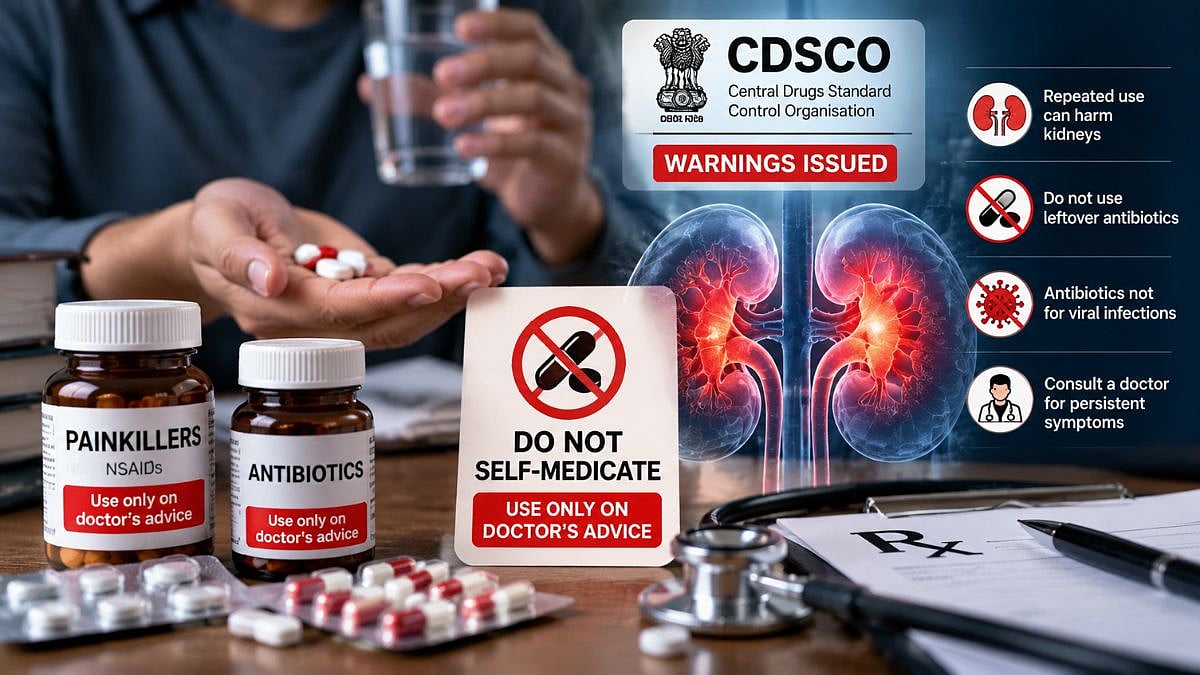
CDSCO Warns Against Repeated Painkiller and Antibiotic Use

Indian Regulator Warns Against Misuse of Painkillers and Antibiotics

CDSCO Warns About Painkillers That May Affect Kidneys

Kidney Disease Often Has No Symptoms: Why Early Detection Matters

Gold and Silver Rates Rise Across Indian Cities

Can You Claim HRA for Rent on Multiple Properties?

Chennai Engineer Uses RTIs to Protect Elephants and Communities

Woman Accuses Bigg Boss Tamil 8 Winner Muthukumaran of Cheating
