5 hrs ago
Saudi Arabia Plans Expanded IAEA Nuclear Inspection Powers
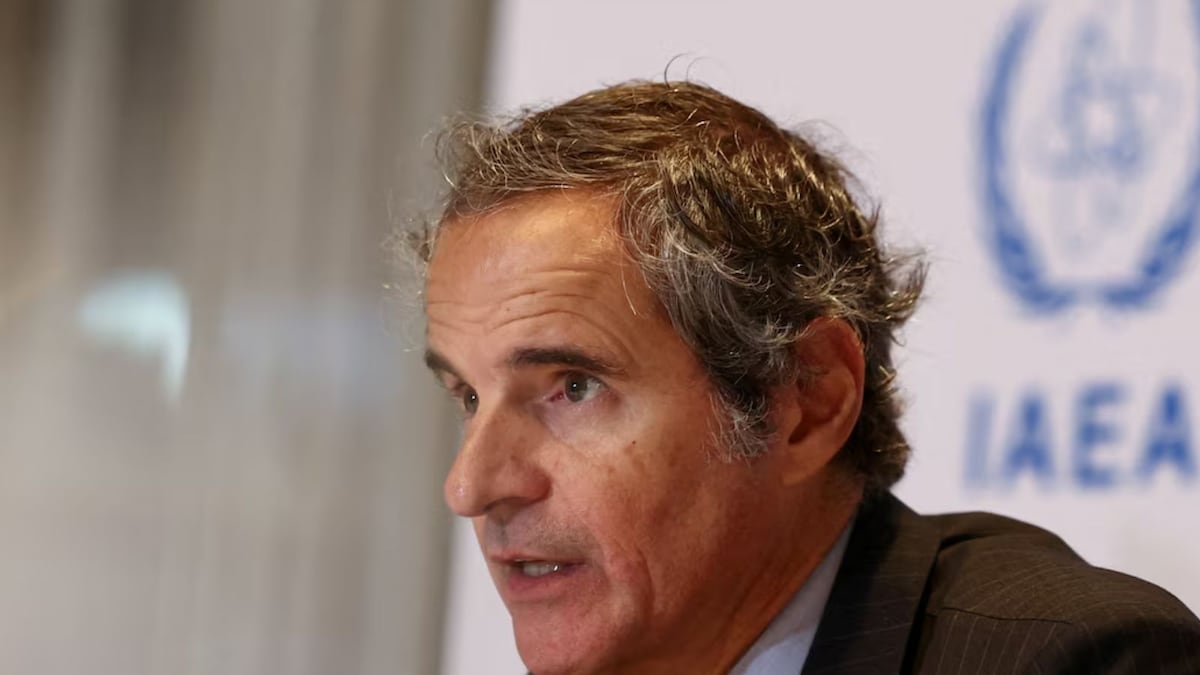
Saudi Arabia and the United States are planning a deal about civil nuclear power.
The deal could allow Saudi Arabia to enrich uranium and build reactors with United States technology.
Nuclear inspectors want to check that sensitive activities are not used for weapons.
The formal agreement called the Additional Protocol is not part of the planned deal.
That protocol normally gives inspectors broad powers, including possible inspections at undeclared locations.
Saudi Arabia is preparing to give inspectors extra powers for certain activities.
These activities include uranium enrichment, uranium conversion and reprocessing spent fuel.
Rafael Grossi said the new powers could be very similar to those in the Additional Protocol.
The completed agreement will be reviewed by the IAEA’s 35-nation Board of Governors.

The planned United States-Saudi Arabia civil nuclear deal does not include the IAEA Additional Protocol.
IAEA chief Rafael Grossi said Saudi Arabia is preparing to grant inspectors extra powers in selected areas.
The proposed authorisations would cover uranium enrichment, uranium conversion and nuclear fuel reprocessing.
Grossi said these powers could closely resemble those available under the Additional Protocol.
The finalized bilateral agreement will be submitted to the IAEA’s 35-nation Board of Governors.
- Who
- Saudi Arabia, the United States, the International Atomic Energy Agency, IAEA chief Rafael Grossi, and non-proliferation groups including the Arms Control Association.
- What
- A planned civil nuclear cooperation agreement may provide the IAEA with expanded verification and monitoring powers, although it does not include the formal Additional Protocol.
- Where
- The agreement concerns Saudi Arabia and will be presented to the IAEA Board of Governors in Vienna.
- When
- The agreement was reached in July, and the report was published on Sept. 7; Grossi made the comments on Monday.
- Why
- The proposed powers are intended to monitor sensitive activities including uranium enrichment, uranium conversion, and reprocessing.
Non-Proliferation Critics
IAEA Position
Whether the formal Additional Protocol is necessary
Non-Proliferation Critics
Groups including the Arms Control Association criticized the deal because it omits the Additional Protocol, which provides broader inspection powers, including possible snap inspections at undeclared locations.
IAEA Position
Grossi called the Additional Protocol the ideal arrangement but said provisions under preparation could provide very similar powers for selected sensitive activities.
Scope of future monitoring
Non-Proliferation Critics
Critics are concerned that the agreement may not give inspectors the full range of authority provided by the formal protocol.
IAEA Position
The planned authorisations would specifically cover uranium enrichment, uranium conversion, and reprocessing, with final details still to be completed.
Key facts
- Agreement
- Planned United States-Saudi Arabia civil nuclear cooperation deal, also called a “123 agreement”
- Formal protocol
- Saudi Arabia is not planning to sign the IAEA Additional Protocol under the current deal
- Proposed oversight
- Additional IAEA verification and monitoring authorisations
- Activities covered
- Uranium enrichment, uranium conversion, and reprocessing
- IAEA assessment
- Rafael Grossi said the proposed powers could be very similar to those under the Additional Protocol
- Criticism
- Non-proliferation groups criticized the deal for omitting the Additional Protocol
- Next step
- The finalized agreement will be presented to the IAEA’s 35-nation Board of Governors
Quotes

Rafael Grossi
Director General of the International Atomic Energy Agency
“What is important is that in the consultations, in the preparation process, it has been possible to introduce a number of provisions to the bilateral agreement that will give the agency additional verification and monitoring authorisations.”
 CNBC TV 18
 theprint.in
“These are sensitive activities, as we all know. So for those we are going to have authorisations and capacities which are very, very similar to those that you may find in an Additional Protocol.”
CNBC TV 18
theprint.in
Sources
Related news
Trump Sends Saudi Nuclear Pact to Congress, Demands Israel Recognition

US Allies Seek UN Referral Over Iran Nuclear Access
Pakistan-Saudi-Turkey Nuclear Ambiguity Raises Regional Security Fears
US Approves Potential $5 Billion Arms Sale to Saudi Arabia
IAEA to remove Syrian nuclear material under US-brokered deal
India opens nuclear sector to foreign technology under strict oversight
IAEA Says Syria Reactor Could Have Produced Weapons Material

What Pickaxe Mountain Is and Why Trump Threatens It
India Secures Uranium From Uzbekistan, Australia Amid Nuclear Expansion