

1 week ago
Why Women’s Bodies Still Face Double Standards In Beauty
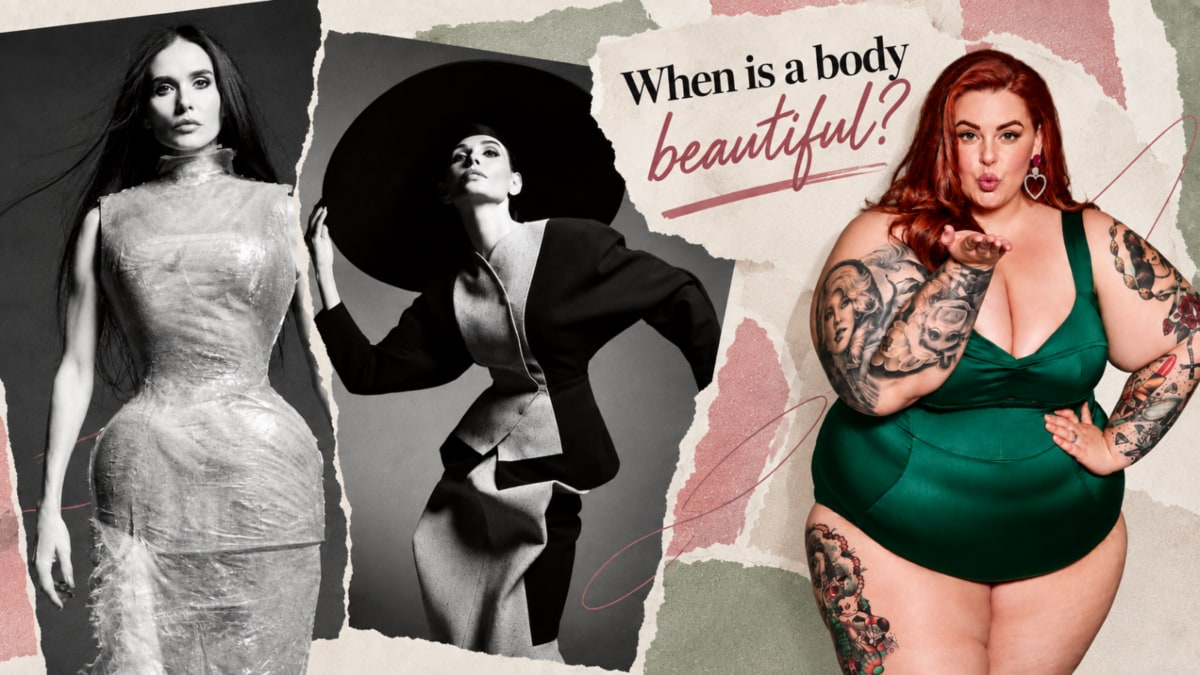
The article asks why people judge women’s bodies differently depending on their size.
Demi Moore’s thin magazine cover was mostly discussed as glamorous.
Tess Holliday’s larger-body magazine cover led some people to debate health and personal choices.
Neha Parulkar says people often assume they can understand someone’s health or character just by looking at them.
The article explains that fashion has traditionally presented thinness as elegant and desirable.
It also says larger women are sometimes treated as symbols of representation instead of simply being allowed to wear clothes and look beautiful.
Body positivity should not require people to feel confident and happy about their bodies every day.
The contributors say respecting a body can be enough.
They believe women should be able to appear in public without their bodies becoming the main subject of discussion.

Demi Moore’s slim V Magazine cover was widely treated as glamorous, while Tess Holliday’s 2018 Cosmopolitan UK cover prompted a health and morality debate.
Neha Parulkar says larger bodies are often judged as evidence of poor choices, while thinness is more readily accepted as beauty alone.
Creators argue that fashion has historically linked thinness with elegance, desirability, youthfulness and luxury.
The article says genuine inclusion requires consistent representation, available clothing sizes and products designed for different bodies.
Contributors favor body respect and freedom from scrutiny rather than replacing one beauty ideal with another.
- Who
- The article discusses Demi Moore, Tess Holliday and comments from creators Neha Parulkar, Nivrity and Srishti Jain; it also references Piers Morgan, Ariana Grande and Cynthia Erivo.
- What
- The article examines the double standard in how women’s bodies are judged, especially the different meanings attached to thin and larger bodies.
- Where
- The examples involve V Magazine, Cosmopolitan UK, Hollywood, fashion media and the entertainment industry.
- When
- The article was published and last updated on September 17, 2026; Tess Holliday’s Cosmopolitan UK cover discussed in the article appeared in October 2018.
- Why
- The article argues that historical beauty ideals and fashion imagery have associated thinness with elegance and aspiration while attaching moral and health judgments to larger bodies.
Body Freedom And Inclusion
Health-Focused Body Criticism
How bodies should be discussed
Body Freedom And Inclusion
Neha Parulkar and other contributors argue that women should not have to explain or defend their bodies, and that appearance cannot establish someone’s health or character.
Health-Focused Body Criticism
Piers Morgan argued that celebrating “morbid obesity” was dangerous, comparing it with celebrating size-zero models.
What representation means
Body Freedom And Inclusion
The article supports showing different bodies without making the body itself the story, alongside inclusive sizing and products designed for varied bodies.
Health-Focused Body Criticism
The criticism described in the article treats the public presentation of a larger body as a matter that can warrant health and lifestyle debate.
Meaning of body positivity
Body Freedom And Inclusion
The contributors favor realistic body acceptance and respect, including on days when someone does not love or feel comfortable with their body.
Health-Focused Body Criticism
The article notes that body positivity can itself become another expectation if women are required to appear constantly confident and celebratory.
Key facts
- Publication date
- September 17, 2026
- Tess Holliday cover
- Cosmopolitan UK, October 2018
- Demi Moore cover
- V Magazine, nearly two decades after her first appearance for the publication
- Criticism of Holliday cover
- Piers Morgan called it “a load of old baloney” and objected to celebrating “morbid obesity.”
- Key argument
- A person’s body does not reveal their health, happiness, habits or personal history.
- Inclusion standard
- Representation should extend beyond campaigns to sizing, product design and consistent participation.
- Body positivity view
- Respecting one’s body does not require loving or feeling comfortable in it every day.
Quotes
Neha Parulkar
Digital creator discussing body image and inclusive fashion
“I don’t think the answer is to start questioning Demi’s body either. If we want equality, the freedom has to work both ways.”
 news18.com
“I think we’ve inherited a very narrow idea of what beauty and luxury are supposed to look like.”
news18.com
Sources
Related news
Katrina Kaif’s Body-Shaming Debate Exposes India’s Beauty Obsession
Khushboo Sundar Defends Katrina Kaif Against Bodyshaming
Ali Zafar Supports Katrina Kaif Amid Postpartum Body-Shaming Debate
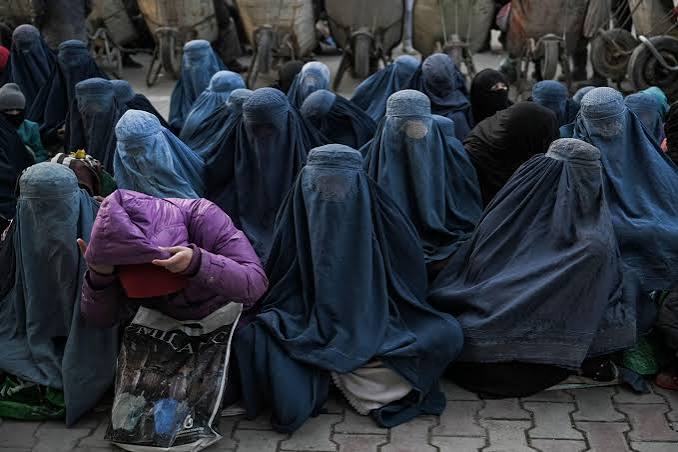
Moral Knots Persist in Debates Over Bodies and Clothing

Sydney Sweeney Sports Ad Sparks Backlash Over Sexualization
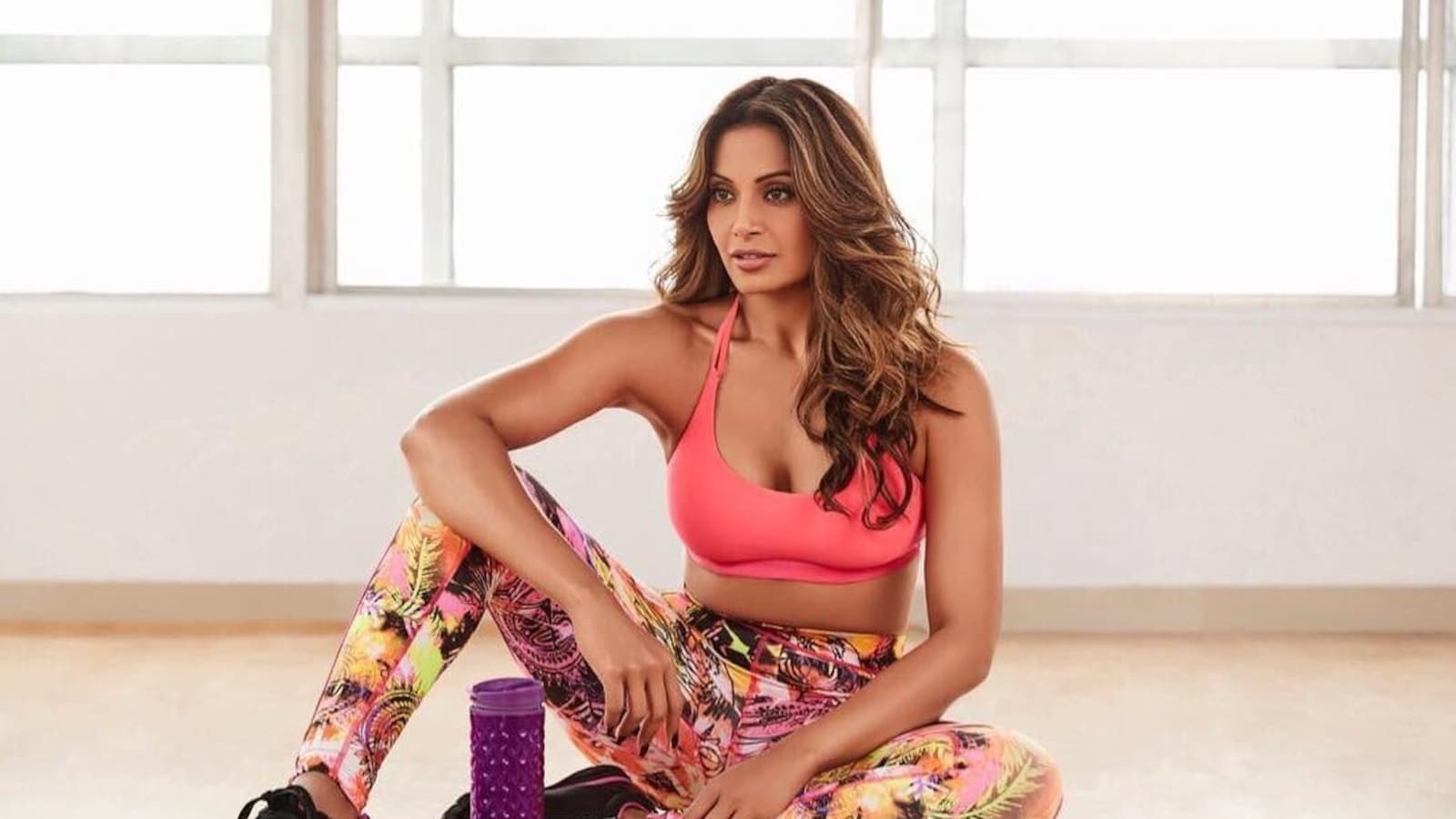
Bipasha Basu Says Muscular Women Changed Bollywood Fitness Standards

Cynthia Erivo and Ariana Grande reunite on stage

Ariana Grande Reflects on 15 Years of Stardom

Ariana Grande Aims for Balance After Wicked

Cynthia Erivo to Miss Golden Globes 2026
