2 hrs ago
Sweden’s Shift From Asylum Haven to Migration Restrictions
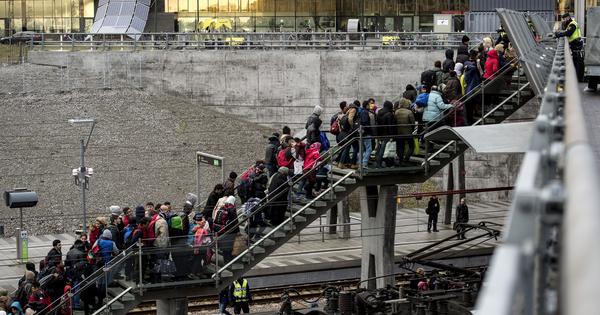
Sweden used to be known as one of Europe’s most welcoming countries for refugees.
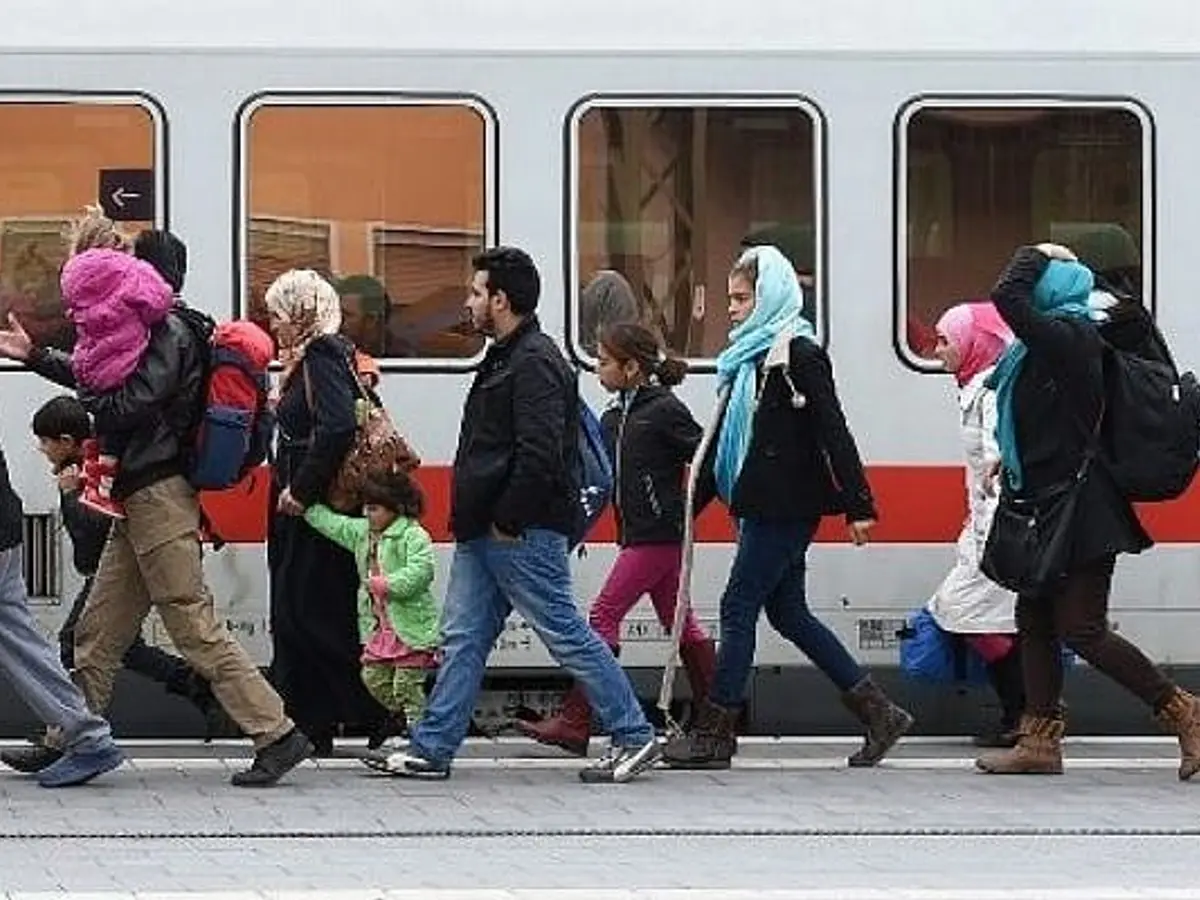
In 2015, many people seeking safety arrived there, putting pressure on the country’s systems.
Sweden then introduced stricter rules for asylum and family migration.
After a new government took office in 2022, it made migration rules even tighter.
The changes affect asylum seekers, families, workers, citizenship, benefits, and deportation.
Some highly skilled workers remain an important exception to the restrictions.
The number of people applying for asylum has fallen sharply since 2015.
Sweden’s major political parties now mostly support keeping migration rules strict.
The main debate before the 2026 election is which political group can be trusted to continue this approach.

Sweden received more than 160,000 asylum applications during the 2015 refugee crisis, including around 35,000 from unaccompanied minors.
A cross-party response introduced stricter asylum and family-migration rules, border controls, and temporary residence permits for most refugees.
After the 2022 election, Prime Minister Ulf Kristersson’s coalition expanded migration restrictions with support from the Sweden Democrats.
Reforms have tightened rules on asylum, family migration, citizenship, deportation, detention, social benefits, and returns.
First-time asylum applications fell to about 6,700 in 2025 and are projected to decline to 3,700 by 2027.
- Who
- The Swedish government, the Sweden Democrats, the Social Democratic Party, asylum seekers, refugees, and other migrants are central to the story.
- What
- Sweden has shifted from a highly welcoming asylum policy to one of Europe’s most restrictive migration systems.
- Where
- Sweden, within the broader European Union migration system.
- When
- The major shift began during the 2015 refugee crisis and accelerated after the 2022 election, with further reforms adopted in 2025 and 2026.
- Why
- The 2015 influx exposed strains in Sweden’s asylum system, while subsequent governments and public opinion moved toward lower immigration and stricter controls.
Support for a Restrictive Policy
Arguments for a More Liberal Policy
Future migration levels
Support for a Restrictive Policy
The governing parties and the Social Democratic Party support maintaining a substantially restrictive migration policy.
Arguments for a More Liberal Policy
The Green Party and the Left Party favor a more liberal migration policy and could influence a future Social Democratic government.
Election focus
Support for a Restrictive Policy
The governing parties argue that a Social Democratic government would depend on parties favoring looser migration rules, and they want migration to remain central to the campaign.
Arguments for a More Liberal Policy
The Social Democrats are signaling that they would keep the main reforms, aiming to shift the debate toward welfare, employment, and the economy.
Policy limits
Support for a Restrictive Policy
The government says asylum policy should be as restrictive as possible while still complying with European Union and international refugee-law requirements.
Arguments for a More Liberal Policy
Parties favoring a more liberal approach oppose the broader restrictive direction, although the article does not detail their specific alternative policies.
Key facts
- 2015 asylum applications
- More than 160,000 applications were filed in Sweden, representing over 12% of all European Union applications that year.
- Unaccompanied minors in 2015
- Around 35,000 unaccompanied minors applied for asylum, more than one third of the European Union total.
- Resettlement quota
- Sweden reduced its annual refugee resettlement quota from 5,000 to 900 places.
- 2025 asylum applications
- Sweden registered approximately 6,700 first-time asylum applications, with an approval rate of 23%.
- Projected applications
- The Swedish Migration Agency expects around 4,200 applications in 2026 and 3,700 in 2027.
- New citizenship requirements
- Proposed and adopted changes include stricter requirements for residence length, conduct, language, civic knowledge, and self-sufficiency.
Sources
Related news

Sweden Election Tightens as Ruling Coalition Closes Gap

Thousands march in Stockholm demanding stronger climate action
UK Asylum Hotel Numbers Halve as Migration Pressure Falls

Europe’s Migration Reckoning Offers India Lessons on Demography

Thailand Cuts Visa-Free Stay to 30 Days for Indians
Ceuta migrant surge reignites Europe's migration and far-right debate
Sweden's Far-Right Leader Akesson Nears Political Power
Sweden to Offer $34,000 Grants to Migrants for Repatriation