1 week ago
Why Lok Sabha Passed 11 Bills in Minutes, Not Hours
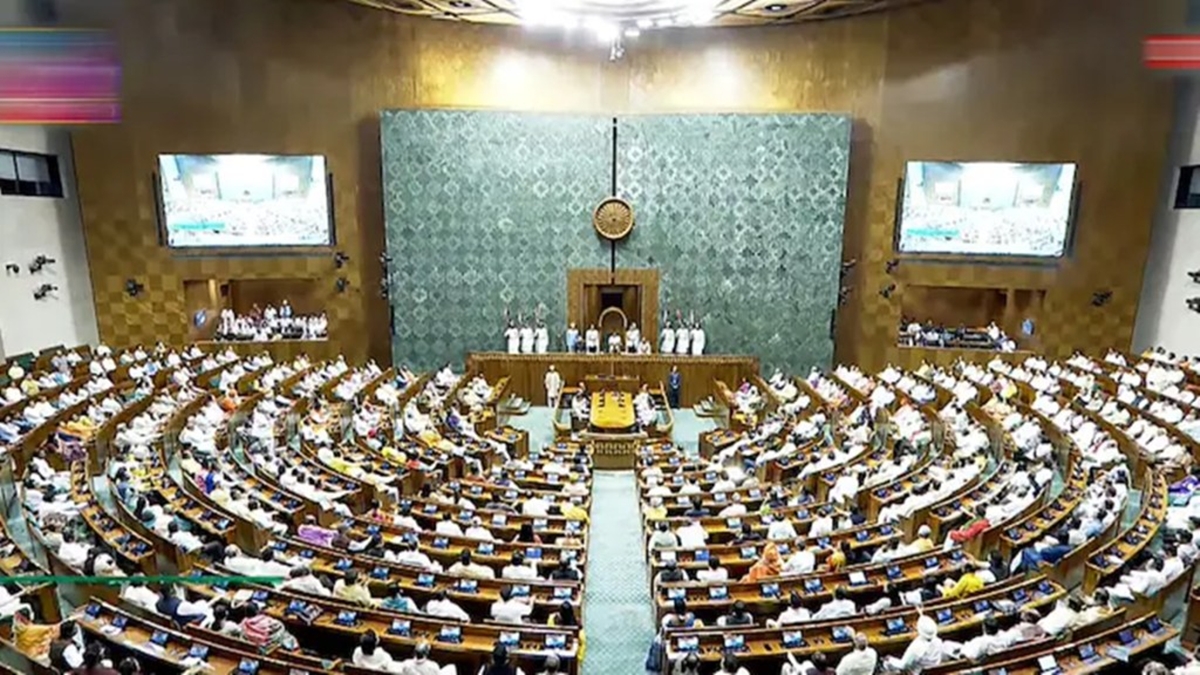
Lok Sabha passed many Bills very quickly during the Monsoon Session.
Eleven of 12 Bills took less than 15 minutes, even though lawmakers had been given much more time to discuss them.
One Bill about unfair practices in exams received extensive debate, showing that longer discussions are possible.
Quickly passing Bills is not new and has happened under different governments.
The main reasons include limited floor time and disruptions that reduce the number of sitting days.
Bills are also being sent less often to Standing Committees for detailed examination.
Committees can study the wording carefully and hear from officials and experts.
The authors say Parliament could improve scrutiny by protecting debate time and making committee review the normal process.

Lok Sabha passed 12 Bills between July 29 and August 11, 2026.
Eleven Bills were cleared in under 15 minutes despite receiving two- to five-hour debate allocations.
The pattern is longstanding, with 30–40% of Bills over three decades receiving no significant debate.
Standing Committee referrals have fallen from 60% of Bills in the 14th Lok Sabha to roughly 20–25% today.
Proposed remedies include guaranteed sitting days, binding time allocations, default committee referral, and protected private members’ time.
- Who
- The Lok Sabha, the Business Advisory Committee, successive Union governments, and Parliamentary Standing Committees are central to the issue.
- What
- Lok Sabha passed 11 of 12 Bills in under 15 minutes despite longer debate allocations.
- Where
- In the Lok Sabha and its Parliamentary committee system.
- When
- The Bills were passed between July 29 and August 11, 2026; the article also examines trends over roughly 30 years.
- Why
- Scarce floor time, disruptions, non-binding time allocations, and declining Standing Committee referrals have encouraged rushed consideration.
Speed and Backlog Management
Deliberation and Legislative Scrutiny
How Parliament should handle limited time
Speed and Backlog Management
When disruptions reduce available sitting time, governments can use the remaining window to clear a legislative backlog.
Deliberation and Legislative Scrutiny
Lost sitting days should lead to extensions or special sittings rather than compressing debate into the final days.
Role of Standing Committees
Speed and Backlog Management
Committee referral can remain optional so Parliament can move forward with legislation when the government considers it necessary.
Deliberation and Legislative Scrutiny
Standing Committee review should be the default because it allows clause-by-clause examination and input from officials and outside experts.
Consequences of brief debate
Speed and Backlog Management
The article indicates that rapid passage has occurred under governments of different political alignments, suggesting it is a structural practice rather than solely a partisan issue.
Deliberation and Legislative Scrutiny
Passing Bills without substantial floor or committee scrutiny can increase the risk of drafting flaws and weaken accountability, as illustrated by the later challenge to Section 66A.
Key facts
- Bills passed
- Lok Sabha passed 12 Bills during the period examined.
- Bills passed quickly
- Eleven of the 12 Bills were cleared in under 15 minutes.
- Debate allocations
- The Business Advisory Committee allocated between two and five hours for each of the 12 Bills, except that the Public Examinations Bill had a 10-hour allocation.
- Longest discussion
- The Public Examinations (Prevention of Unfair Means) Amendment Bill exceeded its 10-hour allocation by nearly one hour.
- Committee referrals
- Referrals to Standing Committees fell from 60% of Bills in the 14th Lok Sabha to roughly 20–25% today.
- Historical pattern
- The article says 30–40% of Bills over the past 30 years passed with no significant debate.
- Proposed sitting schedule
- One proposal is an annual calendar guaranteeing at least 100 sitting days, with lost days compensated.
Sources
Related news

Parliament Passed 12 Monsoon Session Bills Amid Limited Debate

More Bills Are Passing in Their Introduction Session
Monsoon Session washout: eight of 12 bills passed amid disruptions
Parliament Monsoon Session Disruptions Cost Rs 175 Crore

Parliament Monsoon Session Deadlock Continues as Government Pushes 19 Bills

Govt blames Congress for disrupting Parliament's Monsoon Session

Pune Sugar Trader Loses Rs 3 Crore in Whale-Phishing Attack

Mumbai CA Targeted After Lost Phone, Photos Allegedly Morphed

Mumbai Police Book Two Over Provocative Clash Videos

Two Thane Seniors Lose Rs 15.73 Lakh in Voter Fraud

Two Men Arrested In Pune Cyber Fraud Bank Account Case