7 hrs ago
JNTUA Hostels Begin a Shift Toward Electric Cooking
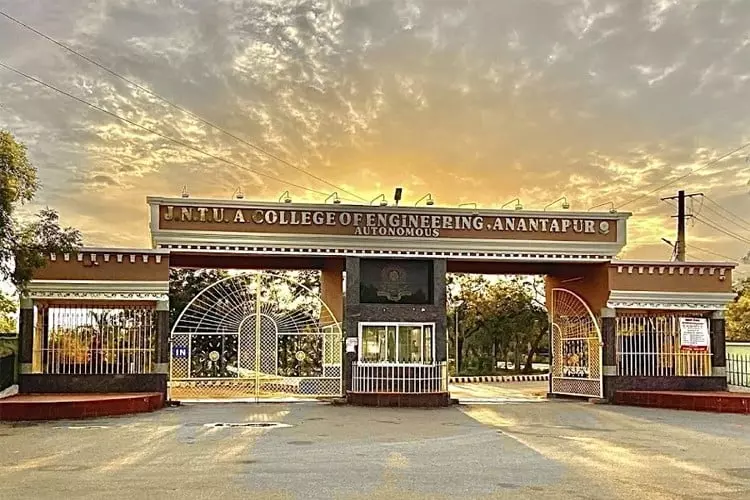
JNTUA wants its hostels to use more electric cooking appliances.
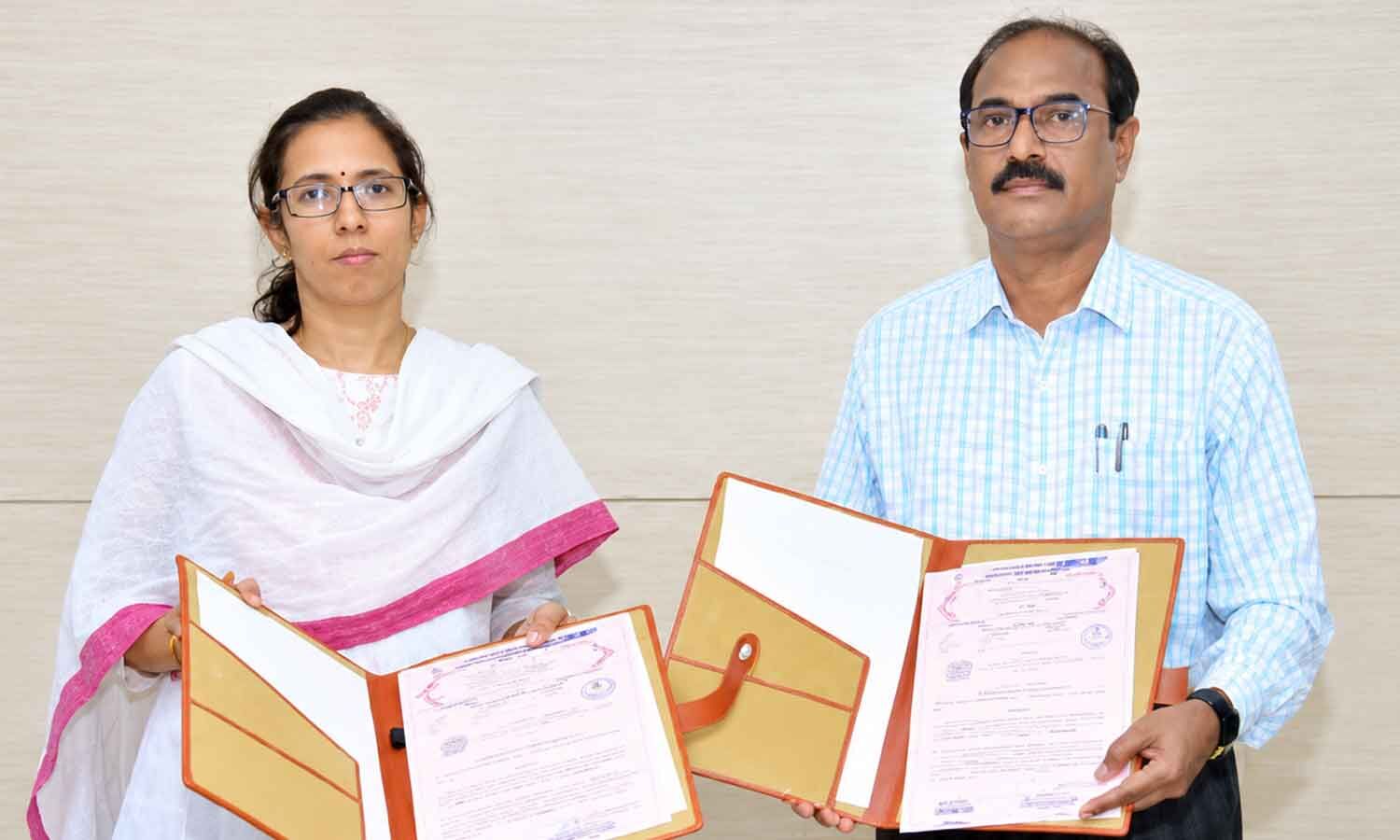
The university signed an agreement with the Andhra Pradesh State Energy Conservation Mission.
The appliances will be supplied and installed in the hostels.
The university prepares many meals each day for its boys’ and girls’ hostels.
Officials say electric cooking can reduce the use of LPG.
They also expect less smoke, pollution and heat in the kitchens.
The plan is meant to save energy and lower carbon emissions.
It will encourage more sustainable cooking practices.

JNTUA Engineering College has signed an MoU to introduce electric cooking in its hostels.
The agreement was signed with the Andhra Pradesh State Energy Conservation Mission on Monday.
The initiative will supply, install and use electrical cooking appliances in the hostels.
University officials said electric cooking could reduce smoke, pollution, kitchen heat and LPG dependence.
The project is also intended to improve energy efficiency, conserve energy and reduce carbon emissions.
- Who
- Jawaharlal Nehru Technological University Anantapur and the Andhra Pradesh State Energy Conservation Mission.
- What
- They signed an MoU to supply, install and use electrical cooking appliances in JNTUA hostels.
- Where
- At the JNTUA campus in Anantapur.
- When
- The MoU was exchanged on Monday.
- Why
- To reduce dependence on LPG, improve energy efficiency, conserve energy and reduce smoke, pollution, heat and carbon emissions.
Key facts
- Institution
- Jawaharlal Nehru Technological University Anantapur Engineering College
- Partner agency
- Andhra Pradesh State Energy Conservation Mission
- Agreement
- MoU for supplying, installing and using electrical cooking appliances
- Facilities affected
- Boys’ and girls’ hostels
- Current fuel being reduced
- LPG
- Expected benefits
- Lower smoke, pollution, kitchen heat and carbon emissions, along with improved energy efficiency
Sources
Related news
Andhra Pradesh Signs MoU for Large-Scale Electric Cooking
Lokesh Inaugurates Three Hostels At JNTUK Engineering College
Nalgonda Hostel Students’ Cooking Video Sparks Parents’ Anger
JNTUK, Greenko, IIT Hyderabad Sign MoU For Sustainable Engineering

Odisha Colleges Told to Cut Oil, Fried Foods
JNTU Anantapur Hosts IIBMP Admissions Helpdesk September 7-8
JNTU Anantapur, Sweden’s BTH Begin Joint Degree Admissions

JNTU Anantapur Celebrates Andhra Kesari Tanguturi Prakasam Pantulu