

1 hr ago
Iran War Turns US Midterm Elections Into Another Front
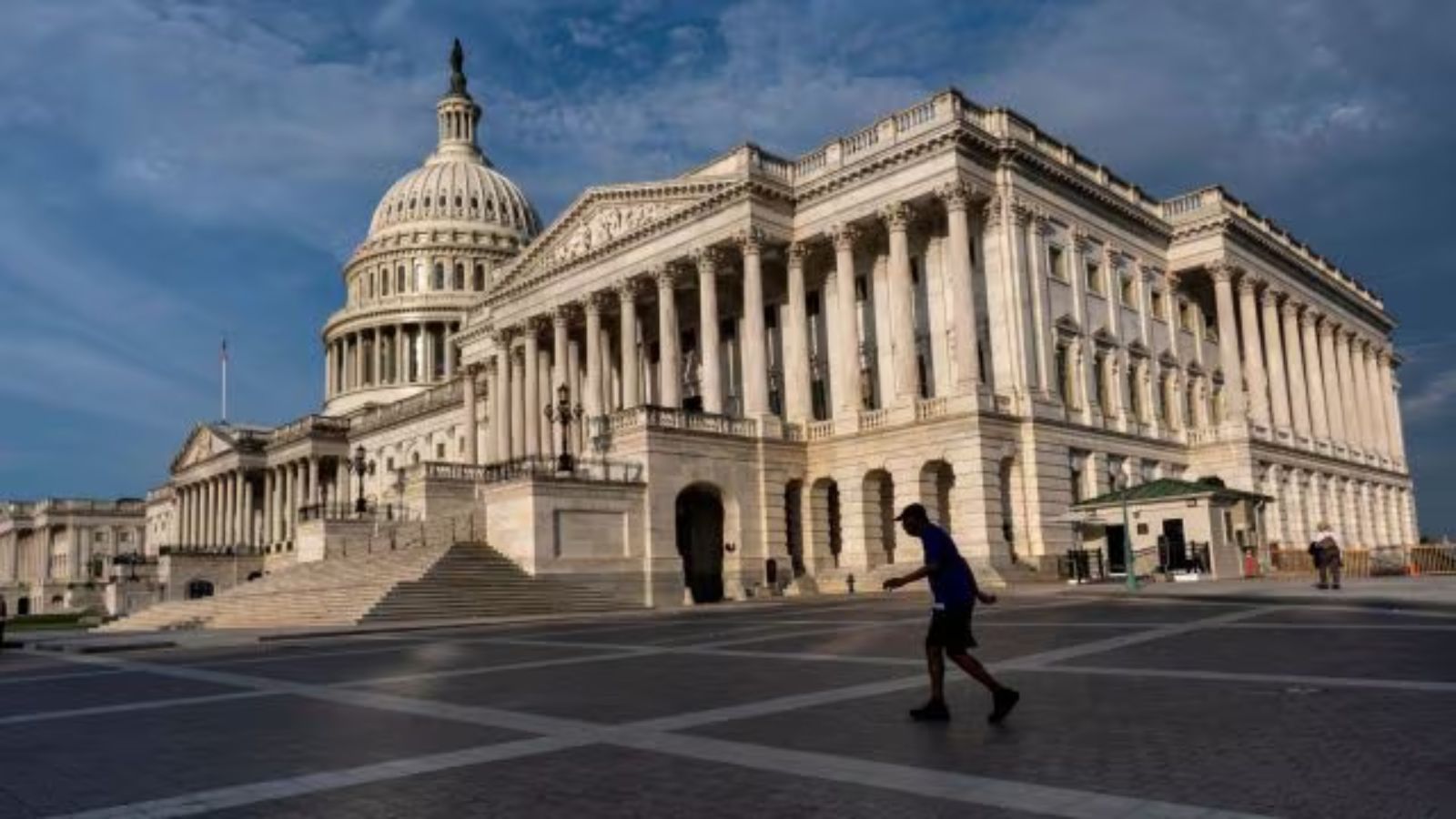
Iran and the United States are fighting, and both are also trying to affect what people in the other country think.
Iran’s Revolutionary Guards sent a letter asking Americans to oppose President Trump’s policies.
They hope worries about the war and fuel prices will hurt Republicans in the upcoming elections.
Trump has said that bombing could increase after the elections, though he has also discussed winning the war before then.
More oil is now moving through the Gulf than during the war, but fuel products such as diesel have not recovered as much.
That means people may still feel the effects through prices.
The article says neither side can be sure the other will give in first.
It also argues that countries need to stay united at home to deal with problems abroad.

Iran’s Revolutionary Guards sent a 25-page letter appealing to US voters to reject President Donald Trump’s policies and consider peaceful coexistence with Iran.
The article says Tehran hopes war-related anxiety and rising prices could weaken Republicans ahead of the November midterm elections.
Trump has said US bombing could intensify after the November 3 elections, while military deployments give him more options if diplomacy fails.
Gulf crude exports reached about 16.3 million barrels a day in September, around 91 per cent of pre-war levels, but refined-product exports recovered to only about 60 per cent.
The article argues that both countries are trying to influence the other’s domestic politics, and that cohesion at home matters for countries such as India.
- Who
- Iran’s Revolutionary Guards and the US administration led by President Donald Trump.
- What
- Both sides are seeking to influence the other’s domestic politics as the Iran war continues.
- Where
- The United States, Iran, and the Gulf, including the Strait of Hormuz.
- When
- In the weeks before the November 3 US midterm elections; the article also cites September export figures.
- Why
- Iran hopes US voter concern about the war and prices will weaken support for Trump’s policies; Trump is using military and economic pressure to push Iran.
Iran’s approach
US approach
Influencing the other country’s home front
Iran’s approach
Iran’s Revolutionary Guards appealed to US voters to reject Trump’s policies, hoping anxiety about war and prices would create room for a more accommodating US policy.
US approach
Trump has used military and economic pressure against Iran and has hoped that pressure would encourage Iranians to challenge their rulers.
Escalation and negotiation
Iran’s approach
The article describes divisions in Tehran between advocates of negotiation and hardliners who favour confrontation.
US approach
Trump says military action could intensify after the elections, while military preparations give him options if diplomacy fails; he also faces pressure to avoid a fuel-price surge.
Key facts
- Iranian appeal
- The Revolutionary Guards sent a 25-page letter addressed to the “honourable people” of the United States.
- US election date cited
- November 3
- September Gulf crude exports
- About 16.3 million barrels a day, roughly 91 per cent of pre-war levels.
- September refined-product exports
- About 60 per cent of pre-war levels.
- G7 emergency reserves
- The G7 decided to release 100 million barrels of crude and fuel products.
- US sanctions
- Washington expanded sanctions to Iranian automotive, rail, manufacturing, and steel sectors and warned foreign financial institutions of possible sanctions.
Sources
Related news
Trump Says Iran War Ends After US Midterm Vote

Trump Says He Has No Regrets Over Iran War

Trump Says Iran War May Continue Through Midterm Elections

Iran’s IRGC Appeals to US Voters Before Midterms

Trump Defends Iran War as Houthis Seize Strategic Mocha
Trump Leaves Iran Strikes Possible as Tehran Warns of War
G7 to Release 100 Million Barrels as Diesel Prices Surge
How India Protected Fertiliser Supplies During Global Disruptions

Crude Oil Moves Through Hormuz as Fuel Shortages Persist

Trump Expands Tax-Free Red Diesel Access as Fuel Prices Rise
