2 hrs ago
Trump Expands Tax-Free Red Diesel Access as Fuel Prices Rise

Red-dyed diesel is fuel marked with red color to show that it is usually meant for vehicles and machines used off public roads.
It is much like regular diesel, but it normally does not pay the highway fuel tax.
President Donald Trump signed an order to let people use it more broadly, including on roads.
The White House says payment of the federal tax for highway use will be put off until the end of the year.
It says the deferred tax will not have interest or penalties added.
Diesel prices have recently been reported above $6.30 per gallon.
The articles connect high fuel prices to several disruptions, including the Iran war and refinery problems.
The change comes ahead of the US midterm elections.

Donald Trump signed an executive order expanding access to red-dyed diesel, traditionally reserved for tax-exempt off-road use.
The order waives the off-road-use restriction, allowing the fuel to be used more broadly, including on highways.
The White House says payment of the federal excise tax on dyed diesel used on roads will be deferred through year-end without interest or penalties.
Articles report diesel prices above $6.30 per gallon, with estimates of about $6.50 to $6.53 recently.
The articles cite the Iran war, refinery disruptions and attacks on Russian energy infrastructure among factors associated with rising fuel prices.
- Who
- US President Donald Trump; the order broadens access for people seeking to buy dyed diesel.
- What
- Trump signed an executive order waiving the traditional off-road-use restriction and deferring the federal excise tax on highway use through year-end.
- Where
- The United States; Trump announced the move at a rally in Nebraska.
- When
- The articles report the signing as Monday or Tuesday; the tax deferral is through the end of the year.
- Why
- The administration presents the measure as a way to ease fuel costs amid rising prices.
Trump's explanation
Other factors reported
Causes of rising fuel prices
Trump's explanation
Trump blamed Ukrainian attacks on Russian energy infrastructure and refinery closures in Democratic-led states, arguing that refinery disruptions were driving fuel prices.
Other factors reported
The articles also associate high prices with the Iran war, disruption to global energy supplies, attacks on Russian refineries and declining global diesel inventories.
Whether refinery disruptions have overtaken Hormuz
Trump's explanation
Trump said the Strait of Hormuz was no longer driving gasoline prices as much as refinery disruptions.
Other factors reported
One article notes that the Strait of Hormuz remains a major factor in global energy markets and that disruption there has contributed to rising energy prices.
Key facts
- Fuel
- Red-dyed diesel, normally designated for tax-exempt off-road use
- Traditional uses
- Farm, construction and other off-road vehicles, machinery and equipment
- Order
- Removes the traditional off-road-use restriction, allowing broader use including on highways
- Tax deferral
- Federal excise tax payment for highway use is deferred through the end of the year, according to the White House
- Interest and penalties
- The White House says the deferred tax will accrue neither interest nor penalties
- Federal diesel excise tax
- 24.4 cents per gallon, according to the Internal Revenue Service as cited in an article
- Reported diesel prices
- Above $6.30 per gallon; articles cite recent estimates around $6.50 to $6.53
- Midterm elections
- Scheduled for November 3
Quotes

Donald Trump
US president, writing on Truth Social about rising fuel prices
“I don't know what the hell it is, but whatever it is, it's supposed to be very good.”
 wionews.com
“What's driving up Gasoline is no longer the Strait of Hormuz”
 firstpost.com
Sources
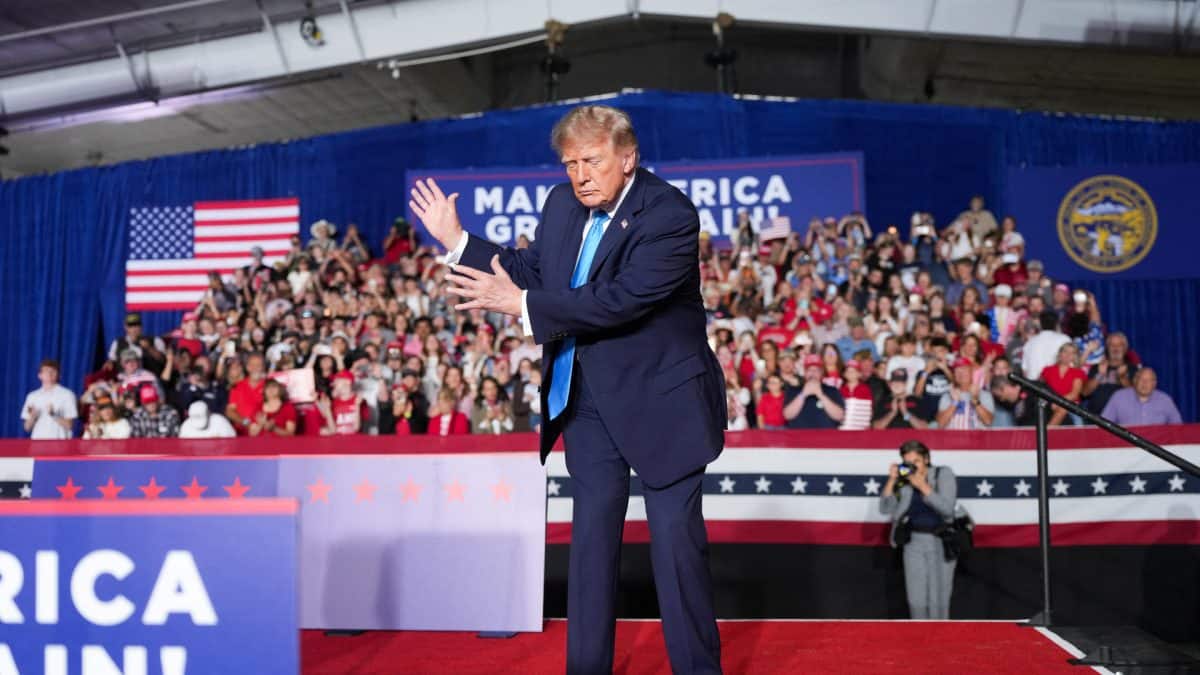
After blaming Ukraine, Democrats for US fuel crisis, Trump opens access to tax-free diesel

Trump Signs Dyed Diesel Executive Order As Prices Soar: Who Can Now Buy Tax-Free Diesel And How It Works?
Ahead of US midterms, Trump signs executive order to expand access to tax-exempt diesel: What we know

Trump opens tax-free red diesel sales to all amid rising fuel prices as midterms near
Related news
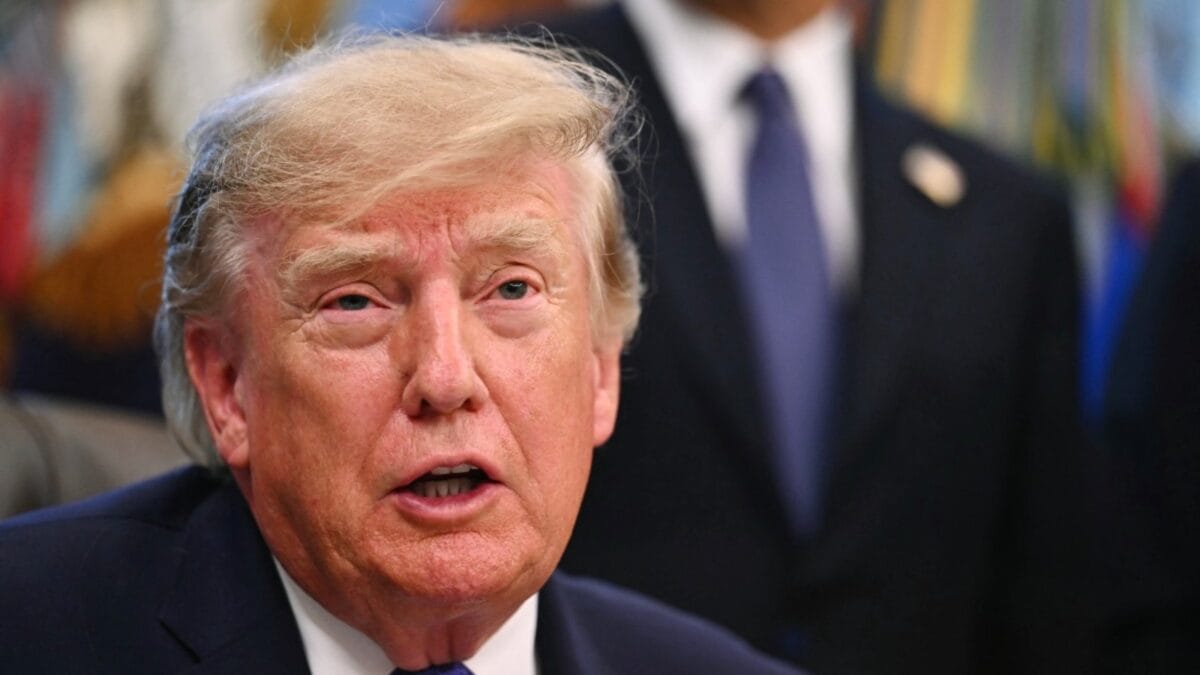
Trump Weighs Diesel Price Measures Ahead of Midterm Elections

Trump Administration Considers Diesel Export Ban as Prices Soar
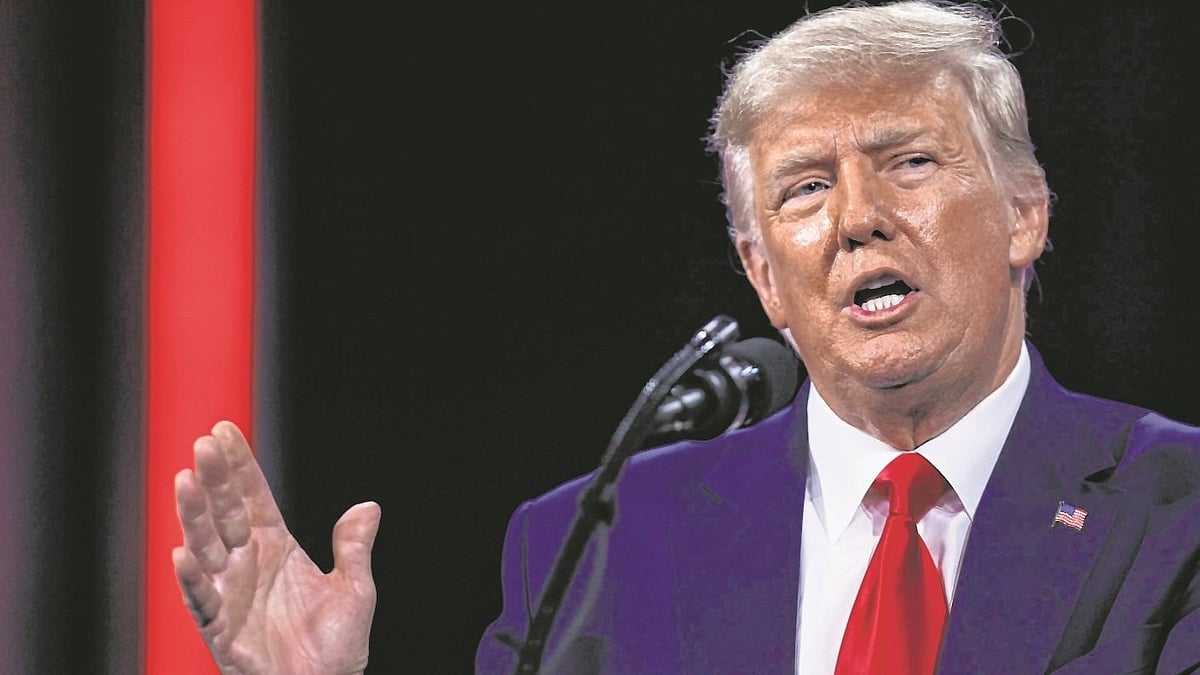
Trump Backs Possible Diesel Export Ban as Prices Hit Records

Trump Rules Out US Diesel Export Ban as Europe Adds Supply

Trump Weighs Diesel Export Ban as Prices Hit Records

White House Denies Report of 90-Day U.S. Diesel Export Ban

Hormuz Attacks Surge as Houthis Strike Saudi Energy Sites

Nasdaq Sets Records as Wall Street Shrugs Off Rising Yields
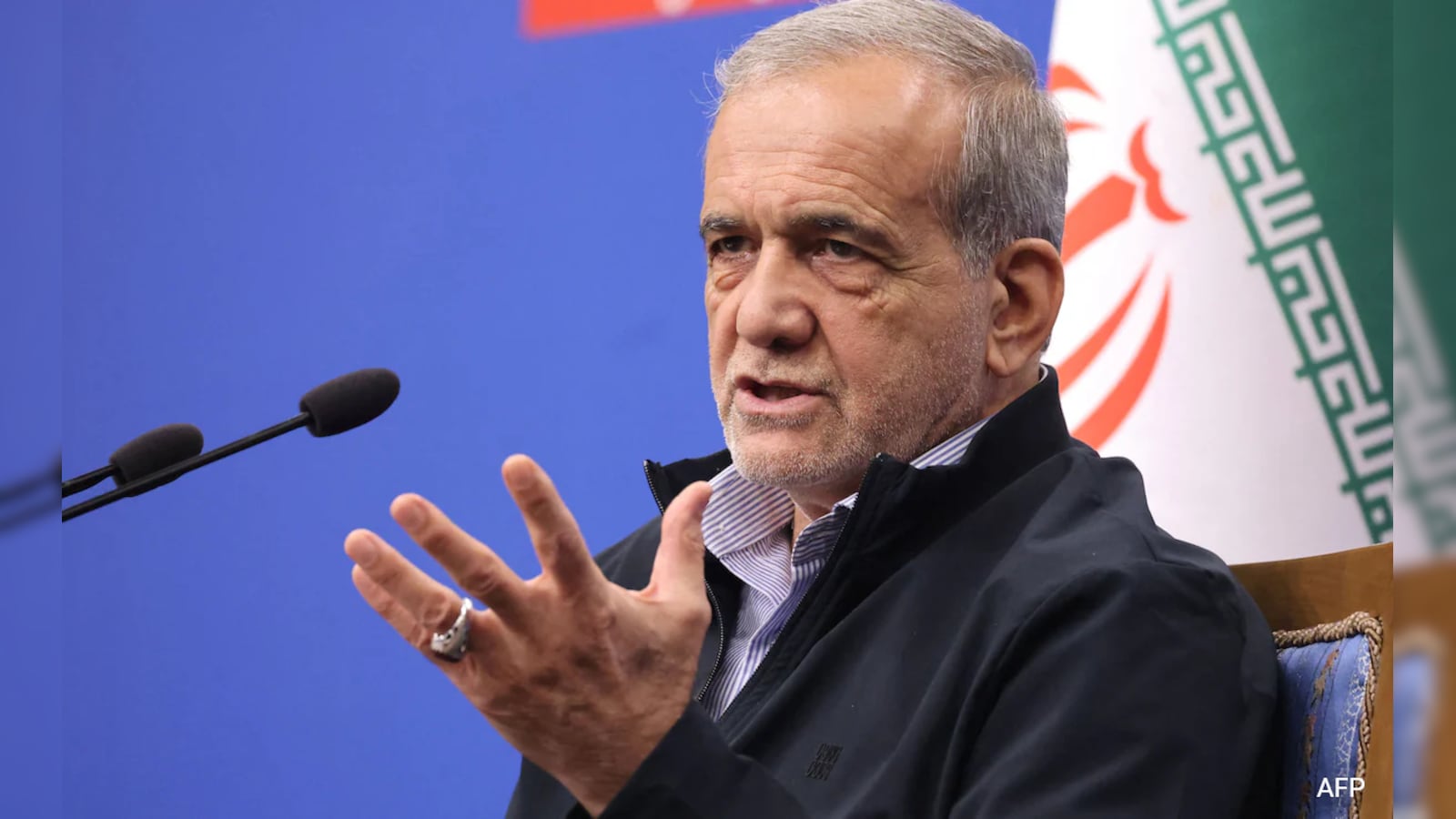
Pezeshkian Calls US Talks Meaningless After Three Attacks
Saudi Aramco Cuts Asian Oil Prices Amid Soaring Shipping Costs