2 weeks ago
BJD to oppose passage of Mines and Minerals Amendment Bill

In India, states can make some of their own money by collecting taxes on minerals dug up from the ground, like iron ore.
The Union government, which runs the whole country, passed a law that would stop states from deciding their own mineral taxes.
A state called Odisha is worried because it has lots of minerals and makes a lot of money from them.
A political party in Odisha called the BJD is upset about this new law.
The party's leader, Naveen Patnaik, wrote a letter to Odisha's Chief Minister asking him to call a special meeting of the state Assembly.
He wants the Assembly to pass a resolution saying no to the new law.
The BJD says the law could cost Odisha at least Rs 12,000 crore, which is a huge amount of money.
The BJD also plans to protest and go to court to stop the law.
The Union government says the law is fair and just makes mineral taxes the same everywhere in the country.
The law still needs the President of India's signature before it becomes final.

The BJD plans to pursue both legal action and public demonstrations against the Mines and Minerals (Development and Regulation) Amendment Bill.
The Bill, which restricts States' powers to levy taxes on mineral rights and mineral-bearing lands, was passed in the Lok Sabha and Rajya Sabha and awaits the President's assent.
BJD president Naveen Patnaik wrote to Odisha Chief Minister Mohan Charan Majhi urging a special Assembly session to pass a resolution opposing the Bill.
BJD chief whip Pramila Mallik claimed the law could cause a loss of at least Rs 12,000 crore to Odisha's exchequer.
The Union government argues the Bill does not interfere with States' autonomy and aims to ensure uniform mineral rates across the country.
- Who
- The Biju Janata Dal (BJD), led by president Naveen Patnaik, opposing the Union government, with chief whip Pramila Mallik and Odisha Chief Minister Mohan Charan Majhi also involved.
- What
- Opposition to the Mines and Minerals (Development and Regulation) Amendment Bill, passed by Parliament and awaiting the President's assent, which restricts States' powers to tax mineral rights and mineral-bearing lands.
- Where
- Bhubaneswar, Odisha, and Parliament in India.
- When
- The Bill was passed in the Lok Sabha on Wednesday and the Rajya Sabha on Thursday; the BJD's Political Affairs Committee met on Friday.
- Why
- The BJD says the Bill threatens Odisha's fiscal autonomy and could cause revenue losses of at least Rs 12,000 crore to the State exchequer, stifling its developmental agenda.
BJD and State's Rights Advocates
Union Government and Bill Supporters
State fiscal autonomy vs uniform mineral rates
BJD and State's Rights Advocates
The BJD says the Bill threatens Odisha's fiscal autonomy and will cause revenue losses of at least Rs 12,000 crore, stifling the State's developmental agenda.
Union Government and Bill Supporters
The Union government says the legislation does not interfere with States' autonomy or revenue rights and only aims to ensure uniform mineral rates across the country.
Odisha BJP's support for the Bill
BJD and State's Rights Advocates
BJD chief whip Pramila Mallik says the State's BJP government and its 20 MPs are supporting a Bill that is against the interest of Odisha.
Union Government and Bill Supporters
The State's BJP government and its 20 MPs back the Bill, aligning with the Union government's position that it ensures uniform mineral rates.
Key facts
- Bill
- Mines and Minerals (Development and Regulation) Amendment Bill
- Status
- Passed in Lok Sabha and Rajya Sabha; awaits the President's assent
- Opposing party
- Biju Janata Dal (BJD)
- BJD president
- Naveen Patnaik
- Odisha Chief Minister
- Mohan Charan Majhi
- BJD chief whip
- Pramila Mallik
- Estimated revenue loss to Odisha
- At least Rs 12,000 crore
- BJD plan
- Legal action and public demonstrations
Quotes
BJD official statement
Official BJD statement
“The party raised concerns that the newly cleared Mines and Minerals (Development and Regulation) Amendment Bill will inflict heavy revenue losses on Odisha.”
 thehansindia.com
“If the law is enacted, it would lead to a loss of at least Rs 12,000 crore to the State exchequer.”
thehansindia.com
Sources
Related news

Naveen Patnaik says mining bill infringes Odisha's financial rights

BJD criticises Centre over mines bill, warns Odisha revenue losses

BJD Calls MMDR Amendment Passage a Black Day for Odisha
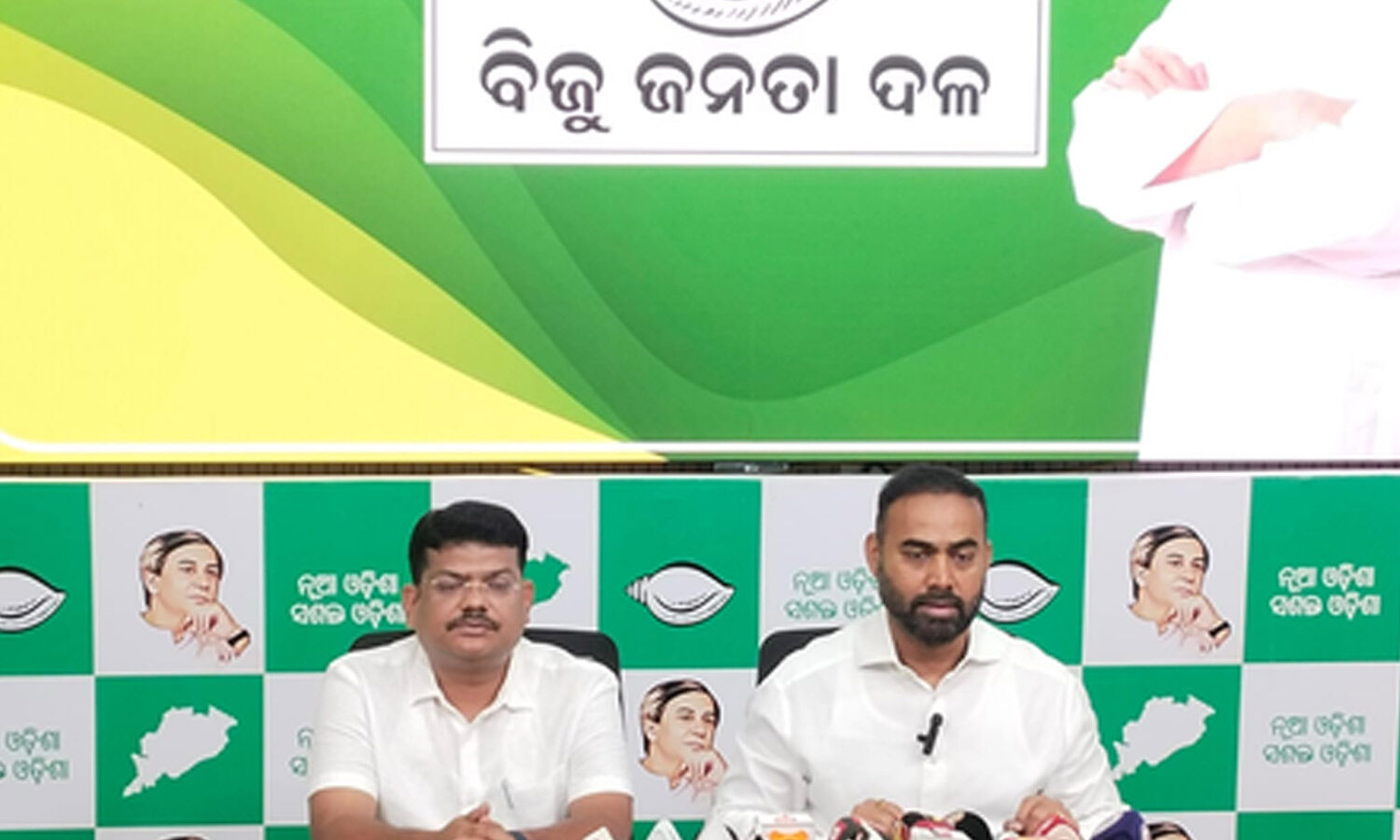
BJD Escalates Odisha Mining Revenue Fight Against BJP
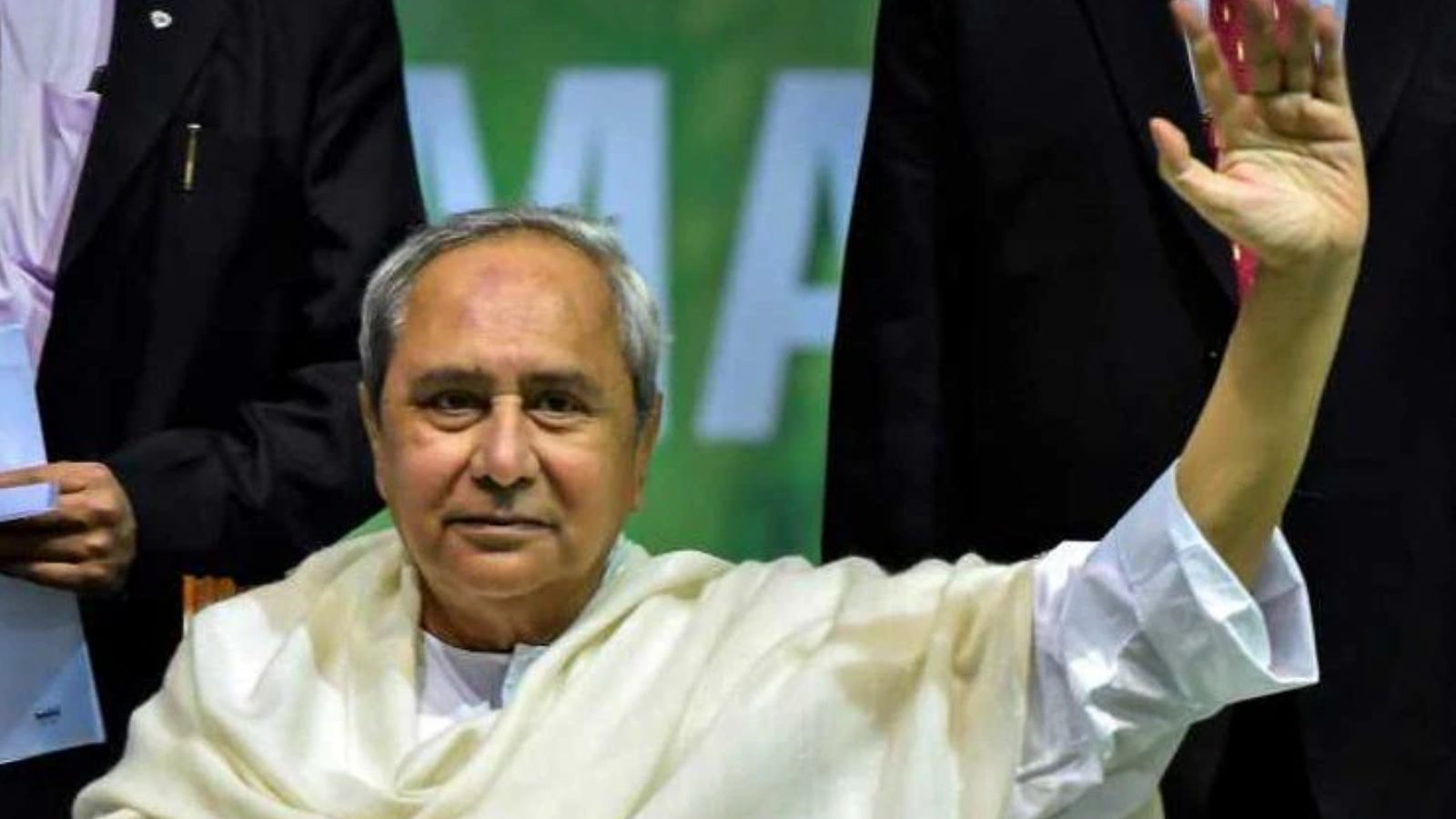
Naveen Patnaik Targets Mining Bill to Revive BJD

BJD Challenges BJP Debate Over MMDR Amendment Bill
Ayodhya Temple CEO Appointment Faces Opposition Donation Allegations
Telangana BJP Alleges Congress, BRS Avoid Hyderabad Liberation Day
Haryana sanitation workers’ strike puts BJP government under pressure

Rival NC-BJP Protests Roil J&K as Police Halt Marches
Shivakumar Calls BJP Padayatra Cover-Up for Internal Crisis