2 weeks ago
BJD criticises Centre over mines bill, warns Odisha revenue losses

In India, the special rocks and materials that come from under the ground, like iron and coal, are called minerals.
The state of Odisha has many mines, and the money made from them is called mining revenue.
Recently, the national Parliament made a new rule about mines.
This rule says states cannot collect as much tax from mining as they used to.
The BJD, a political party in Odisha, thinks this new rule is unfair.
They say Odisha will lose a lot of money because of it.
They also say that the minerals of Odisha are being taken away without helping the people of the state.
Some people in Parliament voted for the new rule, and some did not.
The BJD wants the people of Odisha to keep the money from their own mines and minerals.
The new rule still needs the President's approval before it becomes official.

Parliament passed the Mines and Minerals (Development and Regulation) Amendment Bill, 2026, which will become law after the President's assent.
The BJD alleged Odisha will suffer "immense revenue losses" because the bill restricts states' powers to levy taxes on mineral rights and mineral-bearing land.
The BJD claimed Odisha's mineral resources have been "extensively smuggled" since the BJP came to power and that mining revenue is not being used for development.
BJD leader Priti Ranjan Gharai questioned the support given by 20 BJP lawmakers from Odisha, described in the article variously as MLAs and MPs.
The BJD said royalty is meant to fund development through the District Mineral Foundation but accused the state government of planning to hand it over to the Centre.
- Who
- The Biju Janata Dal (BJD), the Odisha opposition party led by Naveen Patnaik, and its leader Priti Ranjan Gharai, criticising the central government and the Bharatiya Janata Party (BJP).
- What
- Criticism over Parliament's passage of the Mines and Minerals (Development and Regulation) Amendment Bill, 2026, which restricts states' powers to levy taxes on mineral rights and mineral-bearing land parcels.
- Where
- Bhubaneswar, Odisha.
- When
- Friday, August 14, 2026; the bill was passed by Parliament on Thursday.
- Why
- The BJD says the bill will cause Odisha immense revenue losses and alleges mineral smuggling and diversion of development funds to the central government.
BJD (Odisha Opposition)
Centre and BJP (Bill Supporters)
Control over mineral tax
BJD (Odisha Opposition)
States should keep the power to levy taxes on mineral rights and mineral-bearing land; the bill removes this power and will cost Odisha immense revenue.
Centre and BJP (Bill Supporters)
The central government pursued and Parliament passed the bill restricting state taxation, with 20 BJP lawmakers from Odisha supporting it.
Use of mining revenue
BJD (Odisha Opposition)
Royalty should be spent through the District Mineral Foundation for the development of Odisha's people, and the BJD alleges a plan to hand it over to the Centre and widespread mineral smuggling since the BJP came to power.
Centre and BJP (Bill Supporters)
The articles present no response from the central government or the supporting BJP lawmakers to these allegations.
Key facts
- Bill
- Mines and Minerals (Development and Regulation) Amendment Bill, 2026
- Status
- Passed by Parliament; awaits the President's assent
- Main provision
- Restricts states' powers to levy taxes on mineral rights and mineral-bearing land
- BJD's claim
- Odisha will suffer immense revenue losses
- Key allegation
- Mineral resources "extensively smuggled" since BJP came to power in Odisha
- BJD spokesperson
- Priti Ranjan Gharai, party leader and former minister
- BJP lawmakers from Odisha
- 20 supported the bill (article also refers to 20 MLAs)
- Development fund channel
- District Mineral Foundation (DMF)
Quotes
Priti Ranjan Gharai
BJD leader and former state minister
“It is akin to sacrificing the interests of the people of Odisha. A systematic plan has been initiated to deprive the people of the state of their rightful share of all revenues to be collected from the mines.”
 theprint.in
Sources
Related news

BJD Calls MMDR Amendment Passage a Black Day for Odisha
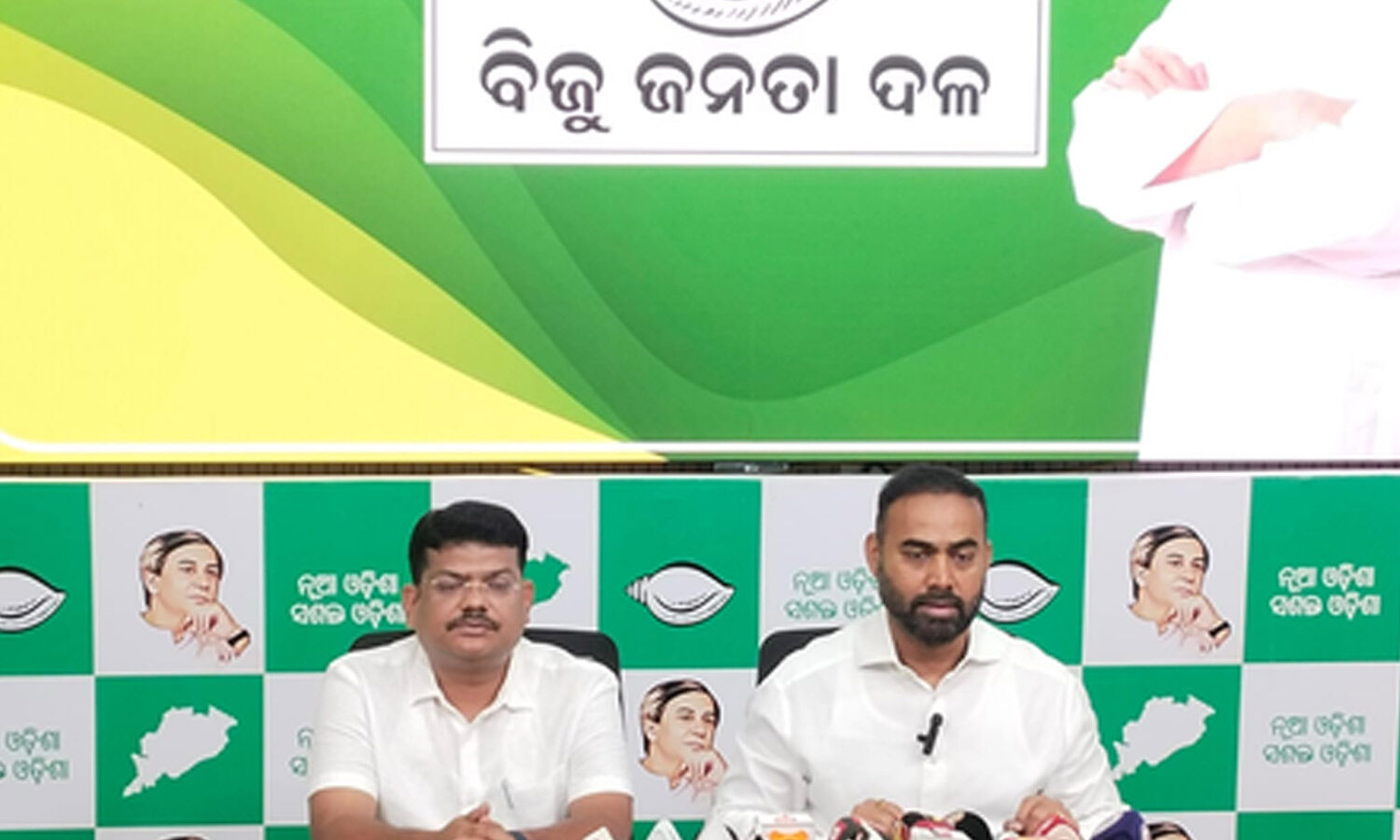
BJD Escalates Odisha Mining Revenue Fight Against BJP

BJD to oppose passage of Mines and Minerals Amendment Bill

BJD Challenges BJP Debate Over MMDR Amendment Bill

Patnaik, Pradhan Clash Over Odisha Mining Law Changes

Odisha Congress Seeks Assembly Session Over Mining Bill
Ayodhya Temple CEO Appointment Faces Opposition Donation Allegations
Telangana BJP Alleges Congress, BRS Avoid Hyderabad Liberation Day
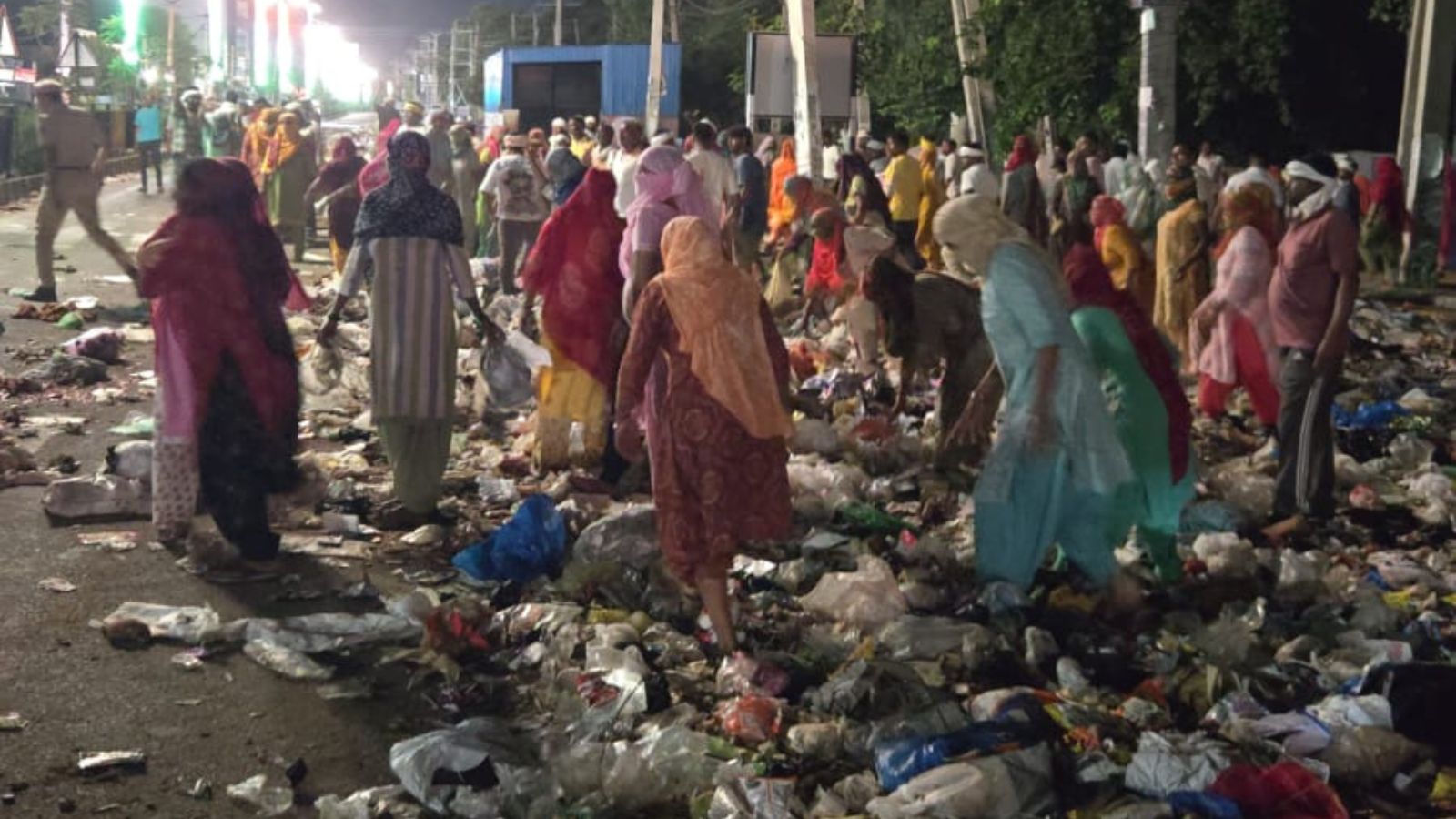
Haryana sanitation workers’ strike puts BJP government under pressure

Rival NC-BJP Protests Roil J&K as Police Halt Marches
Shivakumar Calls BJP Padayatra Cover-Up for Internal Crisis