7 months ago
Uber, Lucid, Nuro Unveil Robotaxi at CES 2026

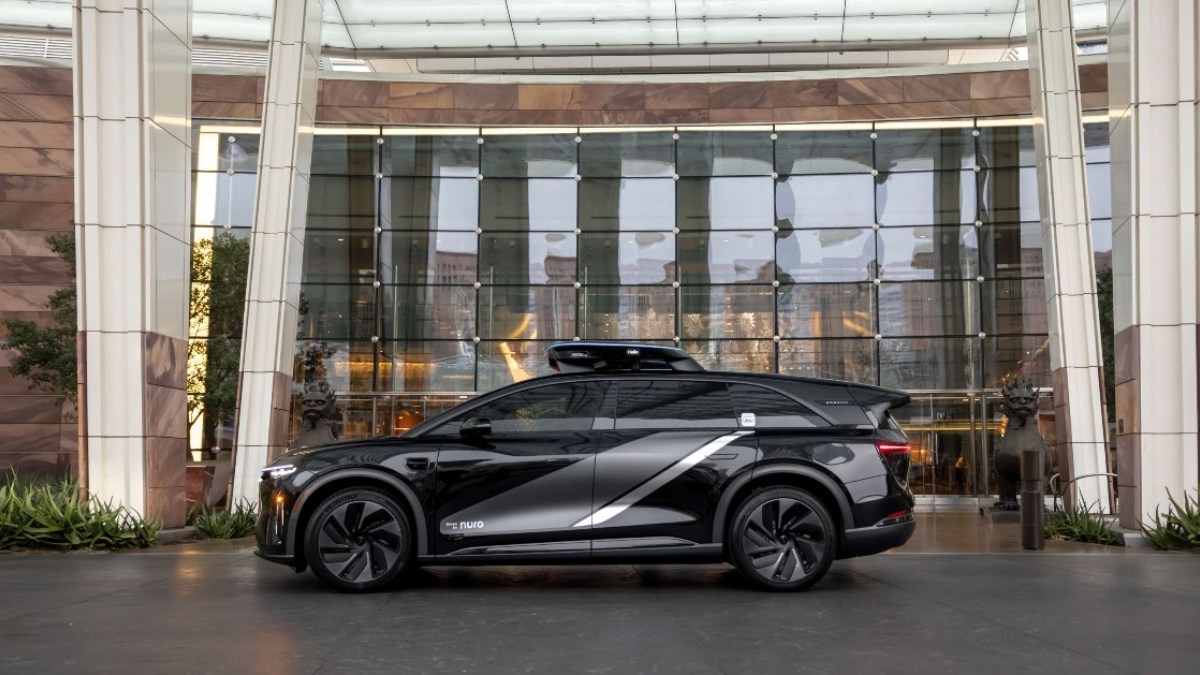
At CES 2026, Uber, Lucid Group, and Nuro showed off a new self-driving robotaxi.
This car can drive itself and will be used for Uber's ride-hailing service.
Lucid made the car's body, Nuro made the self-driving system, and Uber will run the service.
The car has special sensors all around it to see in every direction.
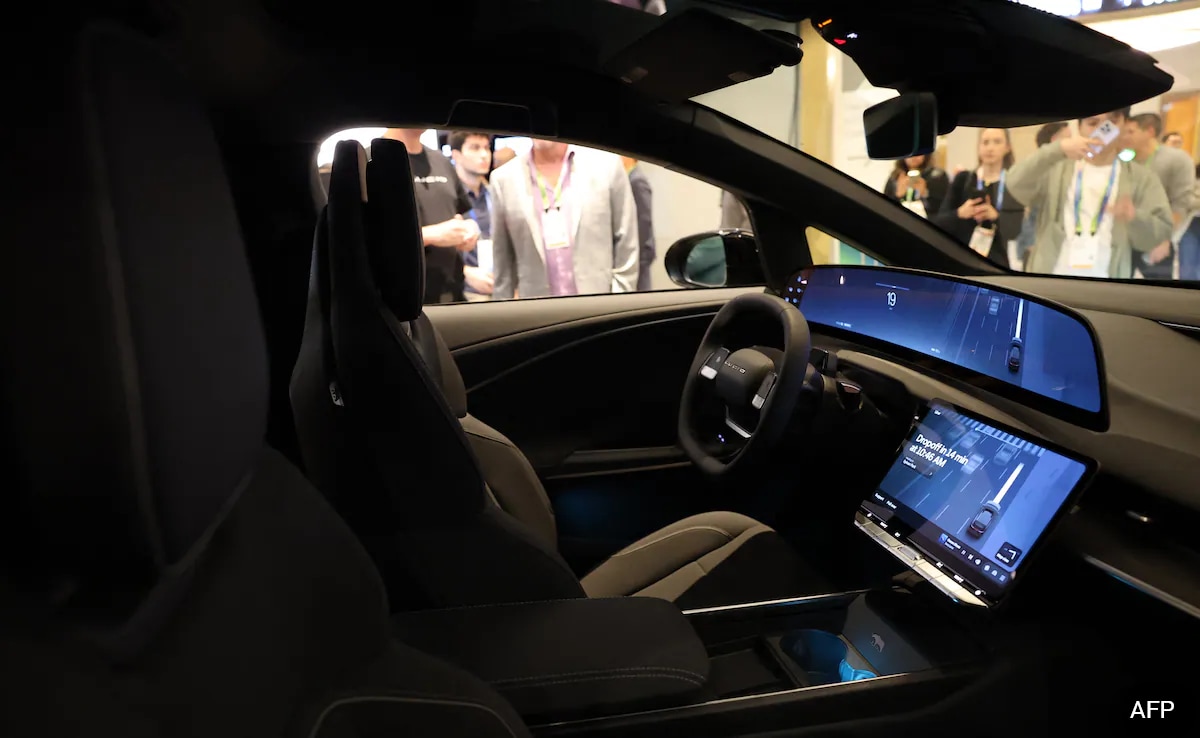
Inside, passengers can control things like the temperature and music.
The car can carry up to six people and has space for luggage.
Testing started last month in the San Francisco Bay Area, and the service is expected to launch later this year.
People can see the robotaxi at CES from January 5 to 8, 2026.
Some people are excited about the safety and luxury of the robotaxi, while others are worried about how safe and reliable the technology is and whether people will trust it.

Uber, Lucid Group, and Nuro unveiled a production-intent robotaxi at CES 2026.
The robotaxi features a 360-degree sensor system with cameras, lidar, and radar.
Lucid provides the vehicle platform, Nuro the autonomous system, and Uber the service operation.
Autonomous testing began last month in the San Francisco Bay Area, with a public launch expected later this year.
The robotaxi can carry up to six passengers and offers in-cabin controls for climate, entertainment, and route viewing.
- Who
- Lucid Group, Nuro, Uber Technologies
- What
- Unveiling of a production-intent robotaxi for autonomous ride-hailing service
- Where
- Las Vegas (CES), with testing in the San Francisco Bay Area
- When
- CES 2026, with expected launch later this year
- Why
- To showcase the future of autonomous ride-hailing and begin public testing
Proponents of Autonomous Vehicles
Skeptics of Autonomous Vehicles
Safety and Reliability
Proponents of Autonomous Vehicles
Proponents argue that the robotaxi's 360-degree sensor system and advanced autonomous technology make it safer than human-driven vehicles, reducing accidents caused by human error.
Skeptics of Autonomous Vehicles
Skeptics express concerns about the reliability of autonomous systems, citing potential technical failures and the need for extensive real-world testing to ensure safety.
Public Acceptance
Proponents of Autonomous Vehicles
Supporters believe that the luxurious and personalized in-cabin experience will attract riders and foster public acceptance of autonomous vehicles.
Skeptics of Autonomous Vehicles
Critics question whether the general public will trust and embrace autonomous ride-hailing services, especially given past incidents and accidents involving self-driving cars.
Key facts
- Companies Involved
- Lucid Group, Nuro, Uber Technologies
- Vehicle Platform
- Lucid Gravity-based
- Autonomous System
- Nuro
- Service Operator
- Uber
- Testing Location
- San Francisco Bay Area
- Expected Launch
- Later this year
- Sensor System
- 360-degree cameras, solid-state lidar, radar
- Passenger Capacity
- Up to six passengers
- In-Cabin Features
- Personalized climate, entertainment, and route viewing
- CES Display Dates
- January 5 to 8, 2026
Quotes

Jensen Huang
Nvidia chief executive
“Together with Uber, we're creating a framework for the entire industry to deploy autonomous fleets at scale, powered by Nvidia AI infrastructure. What was once science fiction is fast becoming an everyday reality.”
 NDTV
NDTV
Sarfraz Maredia
Uber's global head of autonomous mobility
“Uber is proud to partner with Lucid and Nuro to bring a state-of-the-art robotaxi to market later this year.”
NDTV