7 months ago
India and Pakistan Disagree on Indus Water Treaty
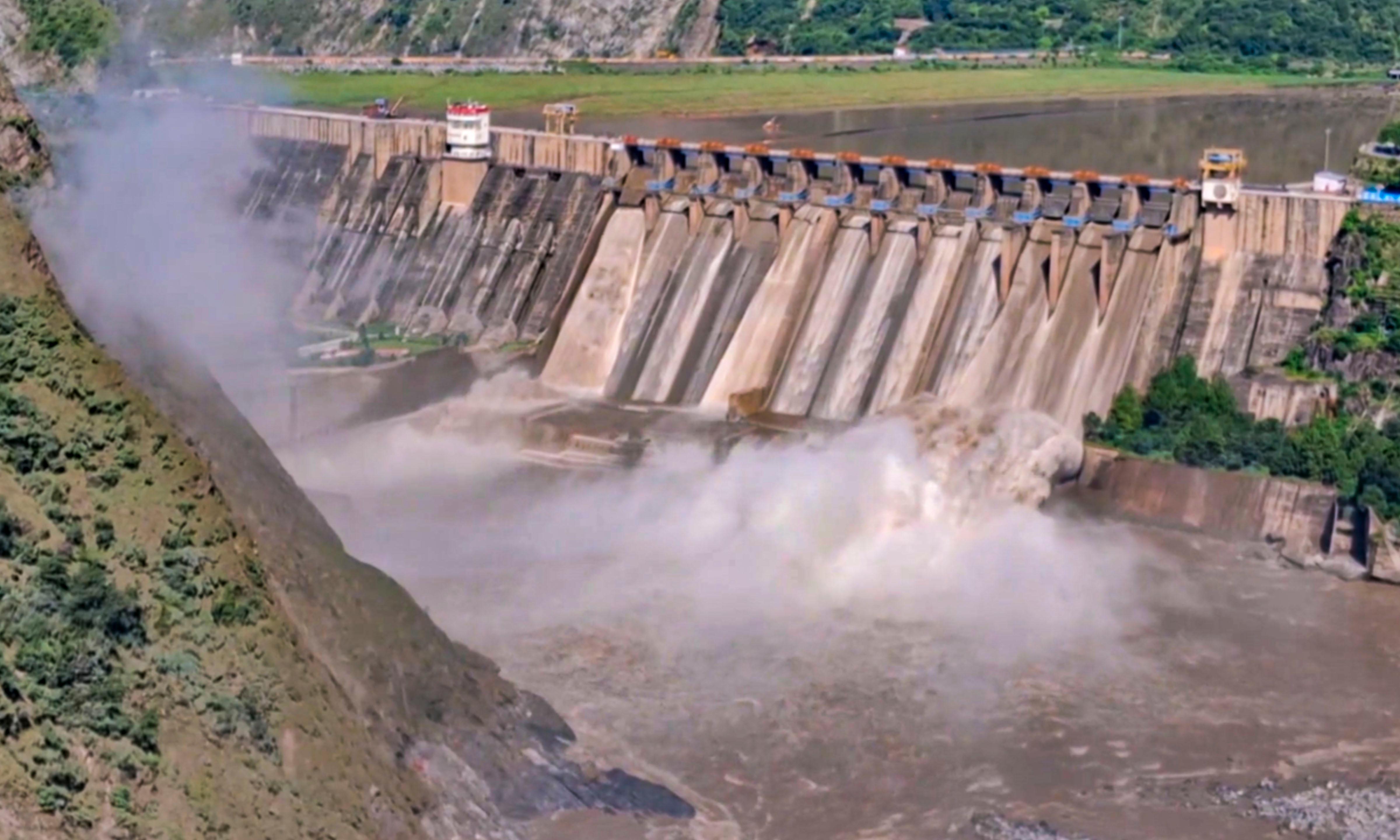
Pakistan and India have a treaty called the Indus Water Treaty, which was made in 1960 with the help of the World Bank.
This treaty decides how they share water from the Indus River and its tributaries.
Pakistan says the treaty is still important and will talk to India if they think India is not following the rules.
India, on the other hand, has put the treaty on hold after a terror attack in 2022 and is now making changes to how they use the water.
India says they are following the treaty and are doing things like building hydropower projects and managing water better because of climate change.
Pakistan disagrees and says India is not following the treaty.
Both countries have different views on what the treaty allows and how to manage the water.

Pakistan will raise any IWT violations by India at political and diplomatic levels.
The IWT, brokered by the World Bank, governs water distribution between India and Pakistan since 1960.
India put the IWT in 'abeyance' after the 2022 Pahalgam terror attack.
Pakistan will scrutinize projects on the Chenab, Jhelum, and Neelam rivers under the IWT.
India claims its actions are legally sound and within the framework of the treaty.
- Who
- Pakistan and India
- What
- Disagreement over the Indus Water Treaty and its implementation
- Where
- Indus River and its tributaries (Chenab, Jhelum, Neelam, Indus, Ravi, Beas, Sutlej)
- When
- Not specified
- Why
- To ensure compliance with the Indus Water Treaty and address climate change impacts
Key facts
- Treaty
- Indus Water Treaty (IWT)
- Rivers Involved
- Chenab, Jhelum, Neelam, Indus, Ravi, Beas, Sutlej
- Pakistan's Stance
- IWT remains binding; will raise violations at political/diplomatic levels
- India's Action
- Put IWT in 'abeyance' after 2022 terror attack
- Pakistan's Demand from Afghanistan
- Written assurances to stop militancy
- India's Claims
- Accelerating run-of-the-river hydropower projects, enhancing storage within permissible limitations
- Climate Change Impact
- Melting Himalayan glaciers, changing precipitation patterns, extreme weather events
Timeline
India scraps Indus Waters Treaty in May.
Then, Pakistan halts flood warnings in Sept.
Tensions surge as India's water activities spark outrage.
Pakistan accuses India of treaty breach; India denies.
Quotes

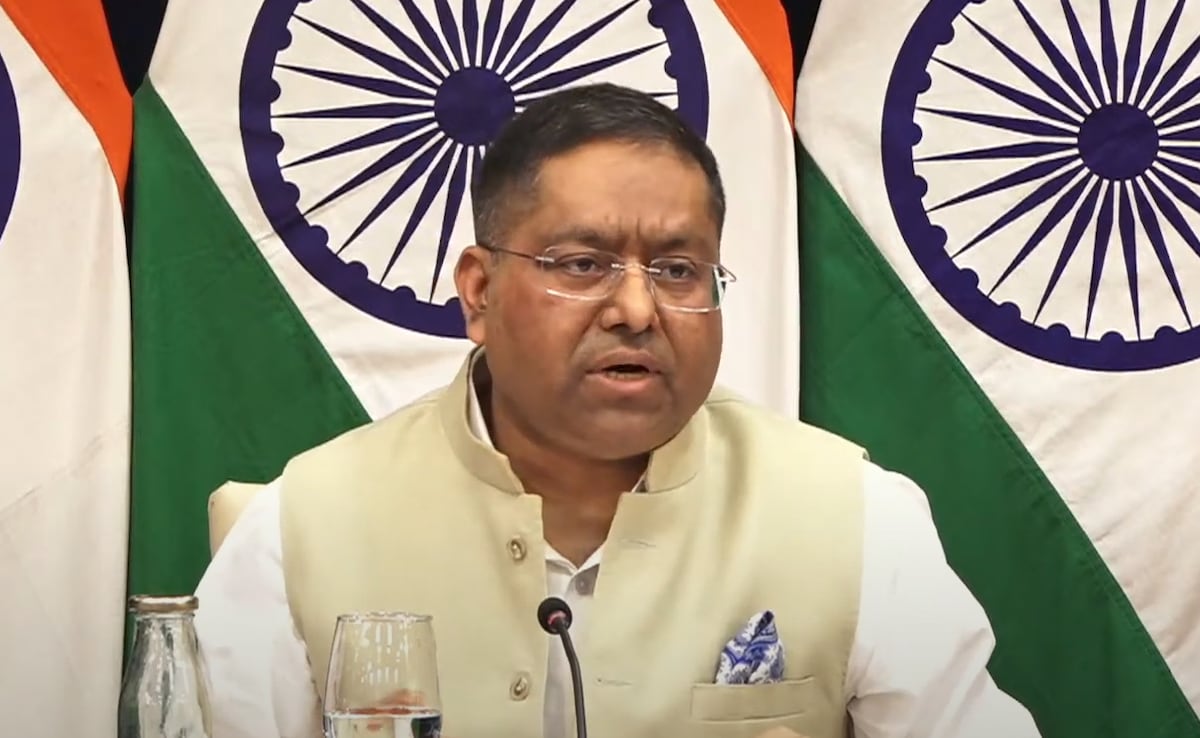
Randhir Jaiswal
Spokesperson in the Ministry of External Affairs (MEA)
“The Shaksgam Valley is a part of the territory of India. We have never accepted the so-called China-Pakistan boundary agreement of 1963 through which Pakistan unlawfully attempted to cede the area to China. We have consistently conveyed our rejection of the same. We have registered our protest with the Chinese side against illegal attempts to alter facts on the ground. We further reserve the right to take necessary measures to safeguard our interests.”
 rediff.com
“We have ongoing talks between India and China at diplomatic and military levels. These issues are serious and therefore they take time. We will have next round of engagement very soon to take things forward.”
rediff.com
Sources
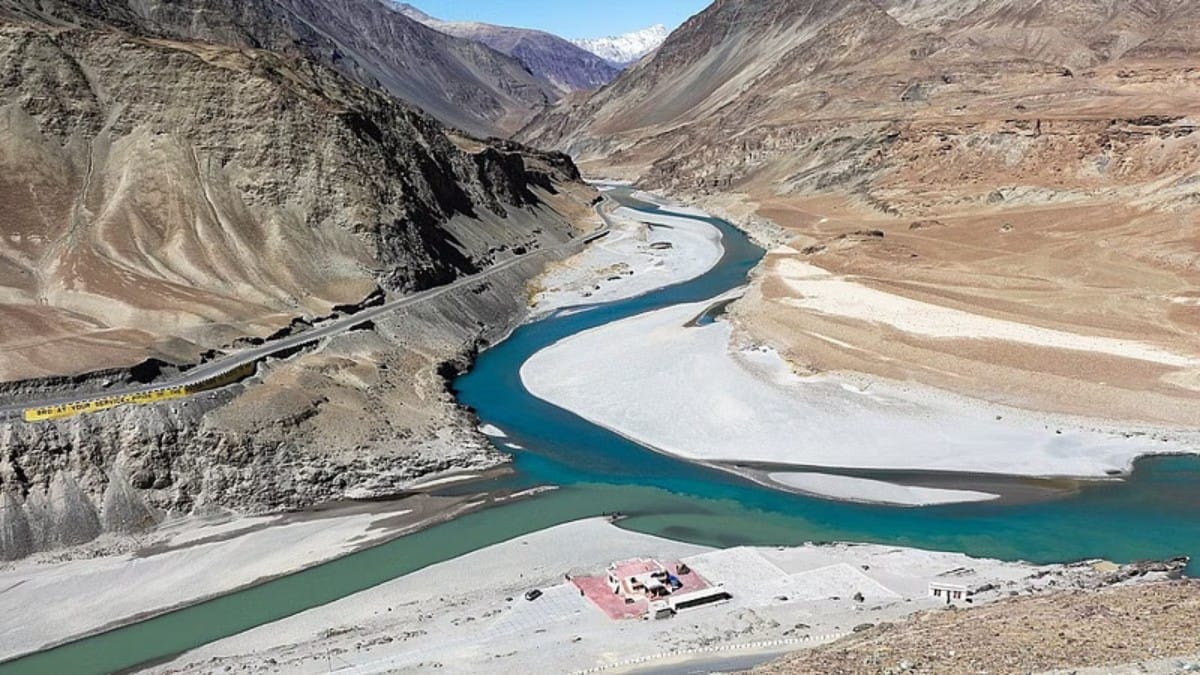
SubscriberWrites: Indus Waters Treaty—Why India’s plan is legally sound, strategically sound & long overdue

'Illegal': India rejects China's infrastructure push in Shaksgam valley
Pak To Take Up With India Any Development Activity in Violation of IWT
"Shaksgam Valley Is Indian territory": Centre