

1 hr ago
TNPCB to monitor Chennai Diwali noise across 60 city stations
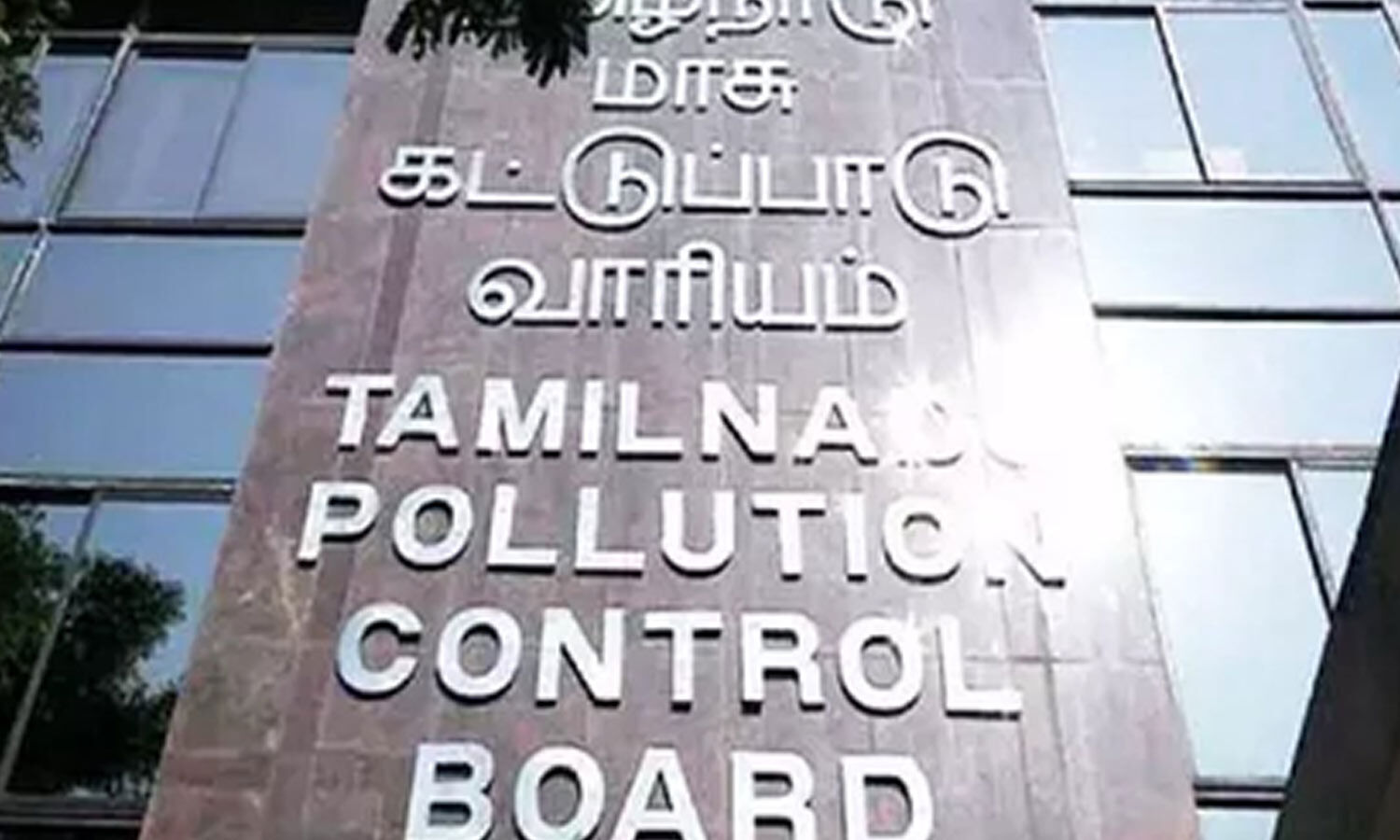
Chennai will use 60 small sensors to measure noise during Diwali.
The sensors are spread across all 15 zones of the city.
The Tamil Nadu Pollution Control Board is carrying out the study with IIT-Madras.
Four sensors were placed in each zone last year.
They recorded noise during the day and night from March to December 2025.
The board extended the study for another year to include Diwali celebrations.
Officials said Chennai needs careful monitoring because festival noise can be high.
Environmentalists want the board to publish readings from every station.
They also want the sensors checked to make sure their measurements are accurate.

The Tamil Nadu Pollution Control Board will monitor Diwali noise across Chennai using 60 stations in 15 zones.
The stations were installed with IIT-Madras as part of a citywide noise-mapping study.
Four low-cost sensors per zone recorded daytime and nighttime ambient noise from March through December 2025.
TNPCB extended the study by another year so Diwali readings could be added.
Environmentalists welcomed the monitoring but requested station-wise data and checks on sensor calibration.
- Who
- The Tamil Nadu Pollution Control Board, working with IIT-Madras, will conduct the monitoring; environmentalists have called for full data disclosure and sensor checks.
- What
- Noise levels will be monitored at 60 stations across Chennai during Diwali as part of an extended study.
- Where
- Across Chennai’s 15 zones, with four stations in each zone.
- When
- The sensors collected data from March through December 2025, and the study has been extended by another year to include Diwali.
- Why
- The monitoring aims to assess festival noise in a city that experiences high noise levels during Diwali and compare it with longer-term readings.
Environmentalists’ requests
TNPCB’s monitoring plan
Data disclosure
Environmentalists’ requests
Environmentalists want readings from every station published so the public can compare noise across Chennai and assess whether the data are representative.
TNPCB’s monitoring plan
TNPCB plans to continue citywide monitoring and add Diwali readings to the observations already collected.
Sensor reliability
Environmentalists’ requests
G Sundarrajan of Poovulagin Nanbargal said sensor calibration must be checked and the data must represent the whole city, not only selected locations.
TNPCB’s monitoring plan
The board is using low-cost sensors distributed across all 15 zones as part of its study with IIT-Madras.
Key facts
- Monitoring authority
- Tamil Nadu Pollution Control Board
- Research partner
- IIT-Madras
- Number of stations
- 60
- Geographic coverage
- All 15 Chennai zones
- Earlier observation period
- March to December 2025
- Sensor allocation
- Four low-cost sensors per zone
- Other cities under consideration
- Coimbatore, Tiruchirappalli and Salem
Quotes
TNPCB official
Official of the Tamil Nadu Pollution Control Board explaining the extended monitoring study
“We have extended the period of observation by one more year. The sensors will also track noise levels during Diwali. For a city like Chennai, which sees high noise during the festival, more stringent monitoring is required.”
 thehansindia.com
“Additionally, the sensors’ calibration must be checked. The data released must be representative of the whole city and not just a few places.”
thehansindia.com
Sources
Related news
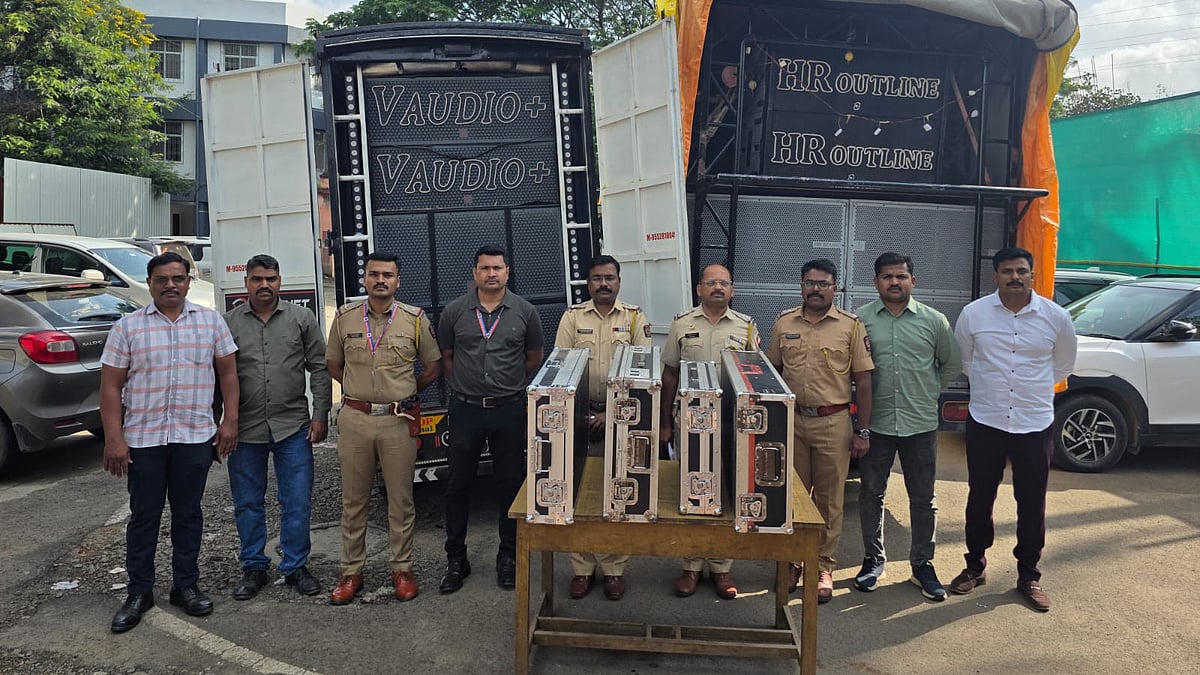
Pimpri-Chinchwad Police Seize 16 Sound Systems Over Noise Violations
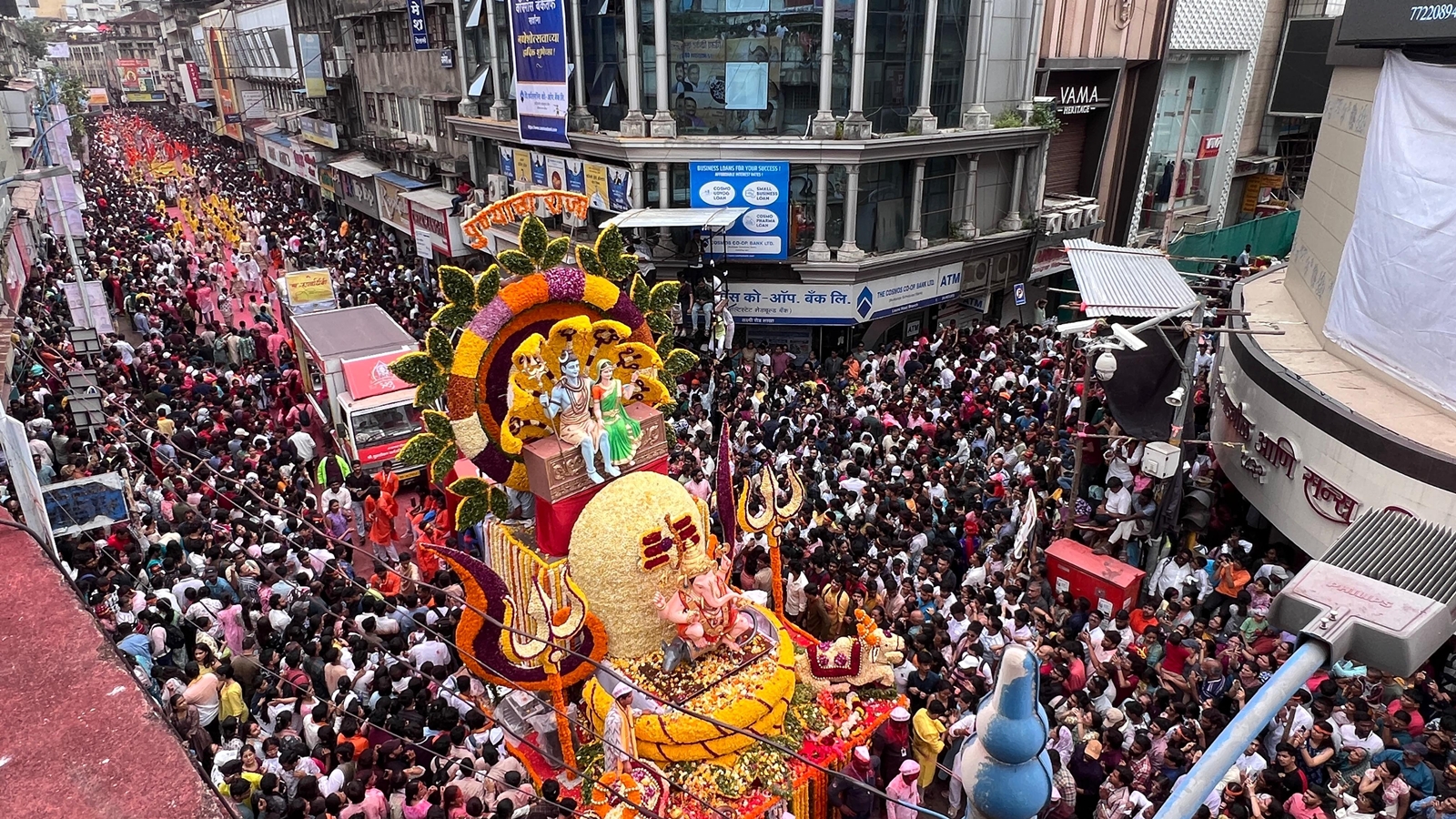
Noise Pollution Cases Rise During Pune Ganesh Festival
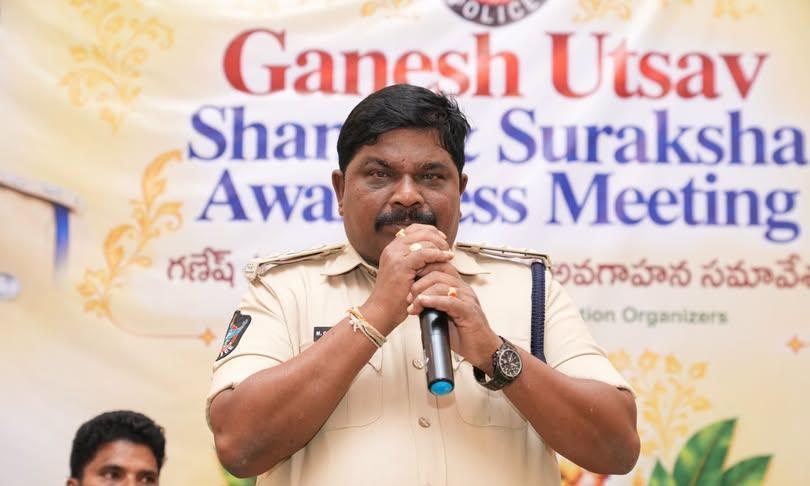
Anantapur Police Seize Five DJ Systems Over Noise Violations

Police Intensify Action Against Loud Ganesh Pandal DJ Systems

Latur Police Launch No DJ, No Dolby Ganpati Initiative

MPCB Chairman Urges Eco-Friendly Ganeshotsav Amid Noise and Pollution Concerns
TVK Needs Major Swing to Challenge AIADMK in Dharapuram

Sona College Team Wins Global Mitsubishi Factory Automation Contest

Jason Sanjay Says Vijay Won’t Promote Directorial Debut Sigma
Tamil Nadu Police Expand Women and Child Safety Efforts
