

2 hrs ago
Malaysia Builds Silicon Island to Expand Semiconductor Ambitions
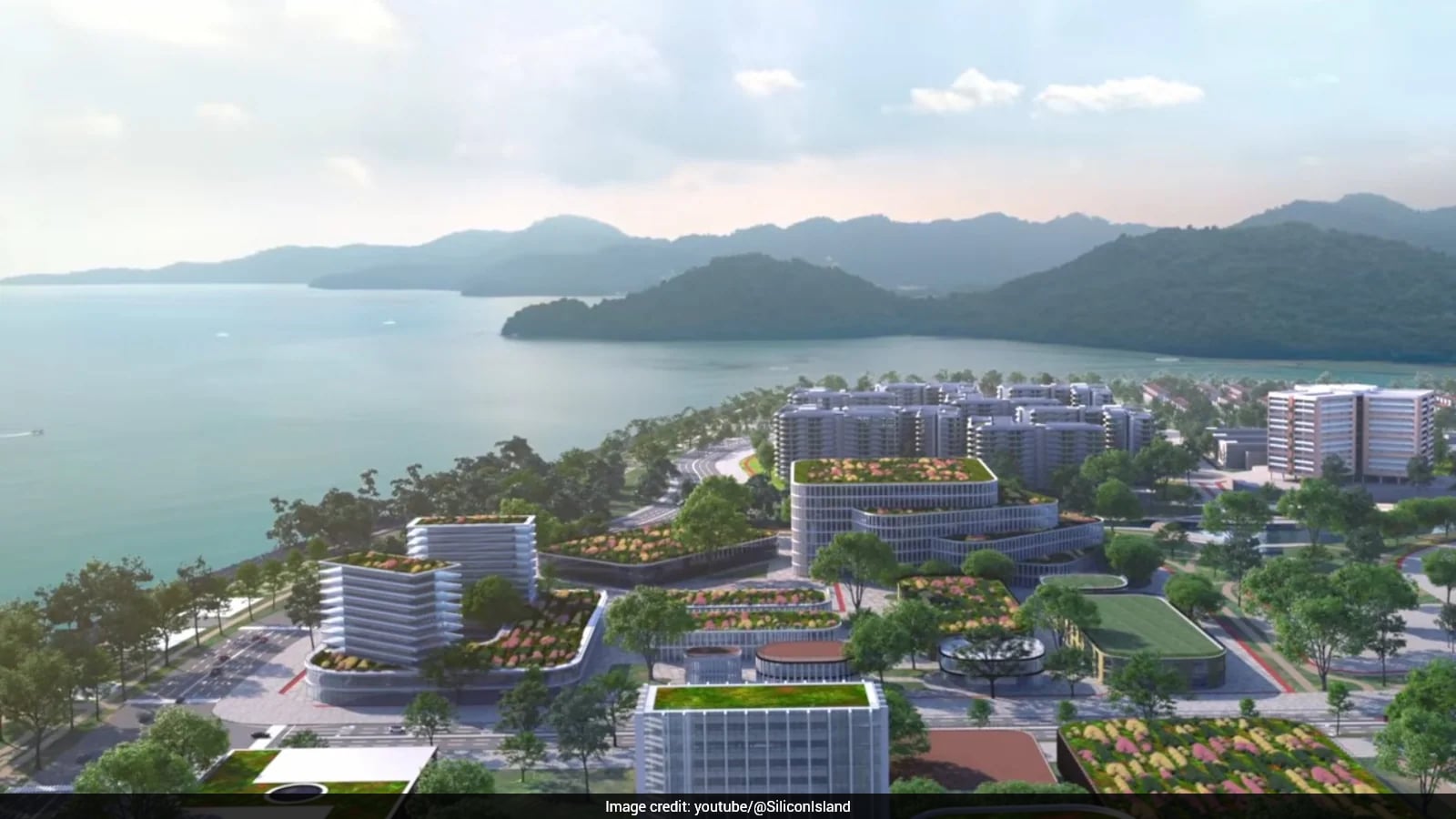
Penang is an important place for making and testing computer chips, but it is running short of room.
Malaysia is building a new island nearby by adding sand to the sea.
The island is meant to give technology companies space to grow.
It may also help companies make more advanced parts of the chip industry.
The project’s developers say it could bring investment and jobs, but those are projections, not guarantees.
Making the island and building factories there will take many years.
Other places are also competing to attract chip companies.
The plans include homes, parks and a light-rail line as well as industrial sites.

Malaysia is reclaiming a 2,300-acre island off Penang for industrial and urban development.
The project aims to expand semiconductor activity beyond assembly and testing into areas such as design and advanced packaging.
Developers cite estimates of 1.1 trillion ringgit in cumulative economic output and about 75 billion ringgit in investment through 2050.
First industrial operations are expected by early 2029, while reclamation could take three to four more years.
Plans also include about 20,000 homes, green space and a light-rail link scheduled to begin operating by the end of 2031.
- Who
- Silicon Island Development, controlled by Gamuda and backed by the Penang state government, is developing the island.
- What
- A 2,300-acre artificial island is being built to expand Penang’s semiconductor and technology industries, alongside housing and transport links.
- Where
- Off Penang, Malaysia, near Penang International Airport.
- When
- Reclamation could take three to four more years; first industrial operations are expected by early 2029, and the wider build-out could take as long as 15 years.
- Why
- Penang is running short of industrial land, and developers aim to attract semiconductor investment and higher-value activities such as chip design and advanced packaging.
Growth case
Risks and constraints
Industrial opportunity
Growth case
State officials and project developers say Silicon Island can ease Penang’s land shortage, attract investment and support a move into higher-value semiconductor activities.
Risks and constraints
The island will take years to reclaim and develop, and competing locations in Singapore, Vietnam, India and other Malaysian states are seeking chip investments too.
Commercial viability
Growth case
Developers say strong demand for semiconductor capacity could bring industrial tenants, and the project expects to break even within eight years.
Risks and constraints
The high cost of reclamation may make land too expensive for some lower-margin manufacturers, while the article cites Forest City as a cautionary example of a major reclaimed-land project with low occupancy.
Key facts
- Planned area
- 2,300 acres
- Location
- Off Penang, Malaysia
- Projected economic contribution
- 1.1 trillion ringgit ($269 billion) cumulatively through 2050, according to a Deloitte study cited by the developers
- Projected investment
- About 75 billion ringgit, according to the same study
- Reclamation and infrastructure costs
- 14 billion ringgit
- First industrial operations
- Expected by early 2029
- Planned housing
- About 20,000 homes on 360 acres
- Mutiara Line
- A planned 29.5-kilometer light-rail line, with operations scheduled to begin by the end of 2031
Quotes

Chow Kon Yeow
Chief Minister of Penang
“Silicon Island represents an important opportunity to build on Penang's existing industrial strengths while positioning the state for the next phase of the global technology cycle.”
 NDTV
NDTV
“A lot of people compare us to Forest City, but today when you look at it, it's a pure residential and commercial play. Our main catalyst will be industrial.”
NDTV
Sources
Related news

Odisha Plans 870-Acre Silicon Valley Technology Hub Near Cuttack

Revanth Reddy Seeks Singapore Investment in Telangana

Odisha Chief Minister Pitches State as Semiconductor Manufacturing Hub
Applied Materials Announces $5 Billion India Investment Over Decade
Lam Research Plans Rs 10,000 Crore India Silicon Facility
Global Chipmakers Expand India Investments as Semiconductor Ecosystem Broadens

Dell XPS 13 Review: A Strong Midrange MacBook Neo Rival

India Builds Supercomputer Network to Reduce Foreign Supply Risks

Musk Says Tesla and SpaceX Will Run Terafab Chip Plant

Microsoft and Nvidia to Debut AI-Powered Surface Laptop
