1 hr ago
IIT Madras Study Finds Educated Professionals Vulnerable to Financial Cybercrime

Researchers at IIT Madras studied who becomes a victim of online financial crimes.
They found that victims are not always people who know little about computers.
Highly educated professionals can also be tricked.
This includes bankers, doctors, technology workers, and government officers.
Knowing how to use digital tools does not guarantee safety.
Scammers may wait until people are stressed or dealing with a major life change.
They then create urgency and use the person’s worries to affect their judgment.
The researchers call this temporary loss of clear thinking an “engineered brain freeze” or “mind arrest.”

An IIT Madras study found that financial cybercrime victims in India are not necessarily digitally inexperienced.
IT workers, bankers, doctors, finance and management professionals, public-sector officers, and cybersecurity-certified people can be equally vulnerable.
Researchers said digital literacy alone does not fully protect people from online financial fraud.
Fraudsters often target people facing stress or major life disruptions, including family illness, retirement, job searches, or workplace pressure.
Scammers create urgency by exploiting emotional, financial, and reputational concerns, causing what researchers call an “engineered brain freeze” or “mind arrest.”
- Who
- Researchers at the Indian Institute of Technology Madras studied victims of financial cybercrime in India.
- What
- The study found that highly educated and digitally skilled professionals can be vulnerable to financial cybercrime.
- Where
- India.
- When
- Why
- Fraudsters exploit stress, life disruptions, and emotional, financial, or reputational concerns to create urgency and impair decision-making.
Key facts
- Institution
- Indian Institute of Technology Madras
- Study focus
- Victims of financial cybercrime
- Country
- India
- At-risk groups
- IT workers, bankers, doctors, finance and management professionals, public-sector officers, and cybersecurity-certified individuals
- Key finding
- High digital literacy alone does not prevent financial cybercrime victimization
- Fraud tactic
- Exploiting stress, life disruption, and personal concerns to create urgency
- Researchers’ terms
- “Engineered brain freeze” and “mind arrest”
Sources
Related news
IIT Graduate, Bank Manager Among Six Held in ₹1.12-Crore Scam

CP Swetha Urges Public to Resist Cyber Fraud Tactics

Cyber Cop Jaipur Camp Urges Citizens to Pause, Verify, Report
Fake NIA officers digitally arrested Delhi couple, stole savings

Jaipur Cyber Safety Camp Urges Vigilance Against Digital Fraud
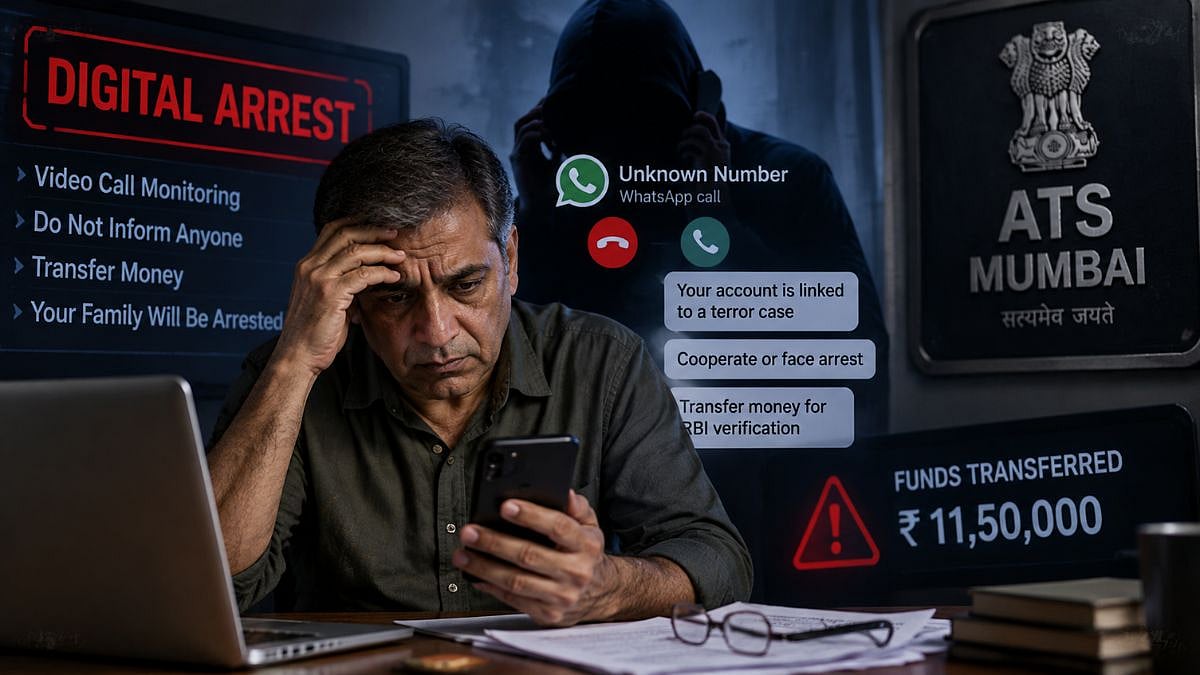
Mumbai Man Loses ₹11.50 Lakh in Fake Digital Arrest

Three Indian Favourites Enter TasteAtlas World Deep-Fried Dish Ranking
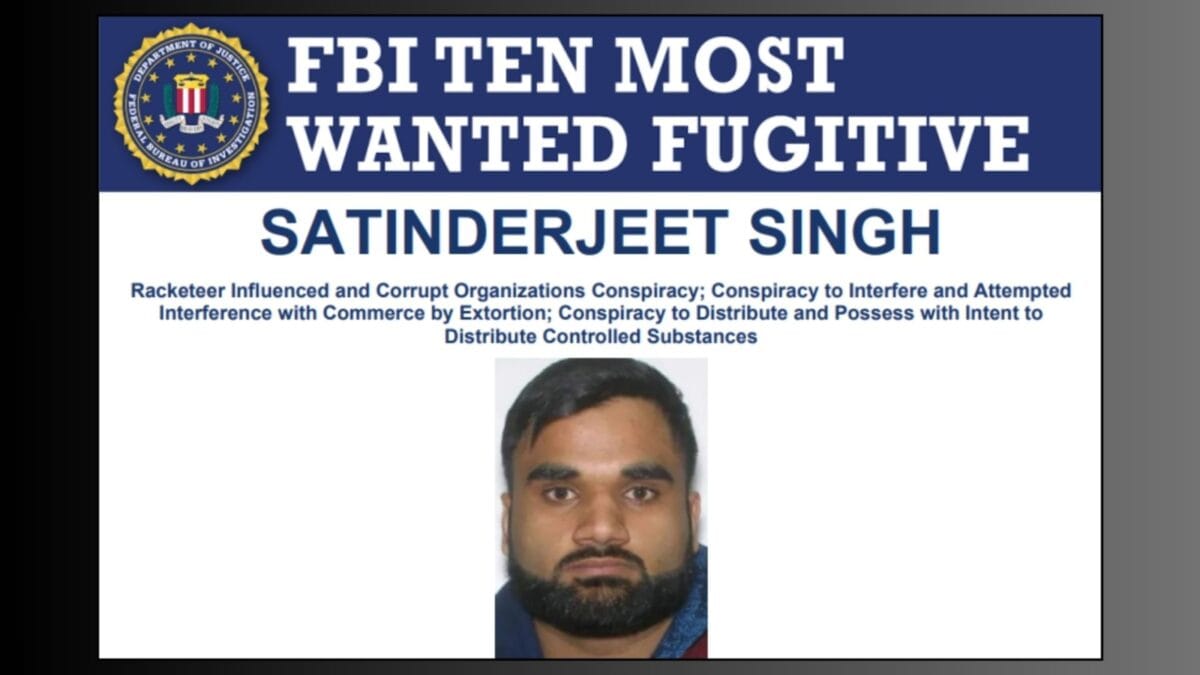
FBI Lists Goldy Brar, Spotlighting Global Bishnoi Network

India’s ODI Roadmap Takes Shape Ahead of 2027 World Cup

India Develops Warehouse, Cold Chain Standards With ADB

Rohit Sharma Details Enduring Bond With Virat Kohli