4 days ago
Why Indian Brands Keep Capitulating to Advertising Outrage

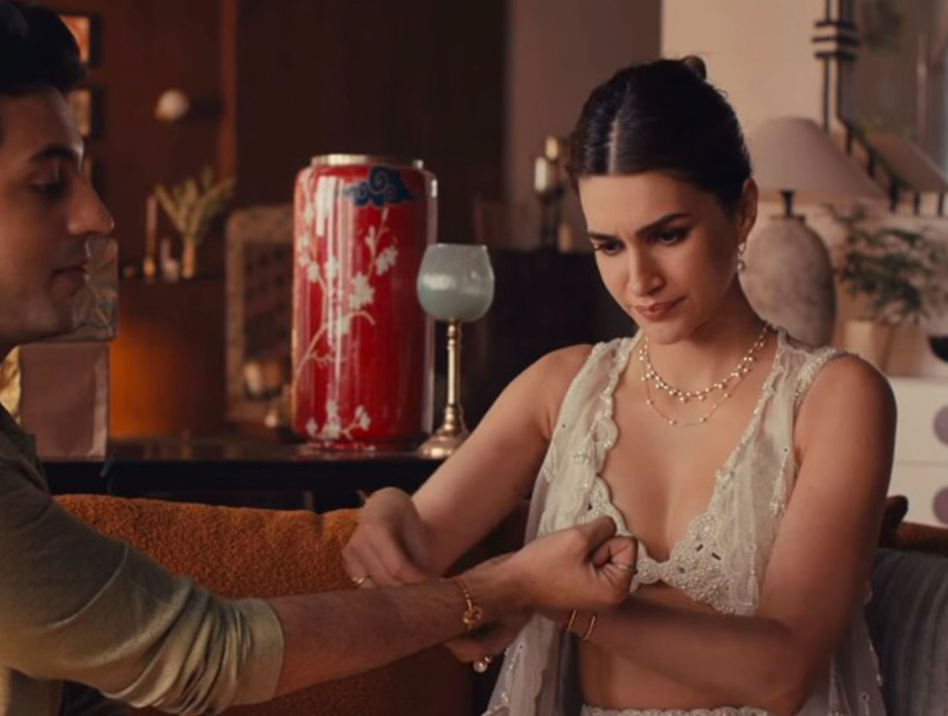
GIVA made an advertisement for Raksha Bandhan featuring actor Kriti Sanon.
She wore modern clothes and tied a rakhi to a dog in one scene.
Some people said the clothes and the scene did not respect the festival.
The criticism spread online, and GIVA removed the advertisement after a few days.
Kriti Sanon did not apologise and said festivals are about what they mean to people, not only about women’s clothes.
The article says brands often give in quickly when people threaten boycotts or post angry messages.
It also gives Surf Excel’s 2019 Holi advertisement as an example of a company that defended its idea instead of removing it.
The writer says companies should decide before releasing an advertisement whether they are ready to defend it.
Otherwise, brands may keep repeating the same cycle of controversy, apology, and withdrawal.

GIVA withdrew a Raksha Bandhan advertisement featuring Kriti Sanon after criticism of her outfit and a scene involving a dog.
Kangana Ranaut called the advertisement “intentionally creepy,” while Sanon defended the campaign’s message and did not apologise.
The article argues that Indian brands increasingly withdraw advertisements and express regret after predictable social-media backlash.
Previous controversies involving Tanishq, Manyavar, Dabur, FabIndia, Sabyasachi, and Zomato followed similar patterns of withdrawal or modification.
Hindustan Unilever kept Surf Excel’s controversial 2019 Holi advertisement, illustrating that companies can choose to explain and defend creative decisions.
- Who
- Jewellery brand GIVA, actor Kriti Sanon, critics including Kangana Ranaut, and social-media users.
- What
- GIVA withdrew a Raksha Bandhan advertisement after criticism of its clothing and its depiction of a dog receiving a rakhi.
- Where
- India, particularly in the country’s advertising and social-media environment.
- When
- During a recent Raksha Bandhan advertising campaign; the articles do not provide an exact date.
- Why
- Critics objected to the advertisement’s portrayal of clothing and tradition; the article uses the episode to question brands’ willingness to defend creative decisions.
Defend Creative Campaigns
Withdraw After Backlash
Response to predictable criticism
Defend Creative Campaigns
Brands should anticipate objections before release and defend campaigns they believe in, as Hindustan Unilever did with Surf Excel’s 2019 advertisement.
Withdraw After Backlash
Brands may remove campaigns when criticism becomes severe, as GIVA did after objections about its Raksha Bandhan advertisement.
Meaning of tradition
Defend Creative Campaigns
Sanon’s response emphasized that a festival’s meaning depends on the people celebrating it and is not determined solely by women’s clothing.
Withdraw After Backlash
Critics argued that the advertisement’s clothing and depiction of a dog receiving a rakhi were inappropriate or disrespectful to Indian traditions.
Impact on brand identity
Defend Creative Campaigns
Standing behind a campaign can show that the brand values the consumers and identities it intended to represent.
Withdraw After Backlash
Withdrawal and regret can limit continuing controversy, though the article argues that repeated capitulation may encourage future outrage and weaken brand credibility.
Key facts
- Brand involved
- GIVA
- Campaign occasion
- Raksha Bandhan
- Advertisement features
- Kriti Sanon in an Indo-Western outfit and a scene showing her tying a rakhi to a dog
- Brand response
- GIVA withdrew the advertisement within days and said it respected Indian traditions
- Actor’s response
- Kriti Sanon defended the idea on Instagram and did not apologise
- Earlier example
- Hindustan Unilever kept Surf Excel’s “Rang Laaye Sang” advertisement after backlash in 2019
- Article’s central argument
- Withdrawal and apology are corporate choices, not unavoidable results of online criticism
Sources
Related news

Giva Withdraws Raksha Bandhan Ad After Social-Media Outcry

GIVA Withdraws Rakshabandhan Ad After Backlash Over Kriti Sanon's Outfit
GIVA Withdraws Kriti Sanon’s Raksha Bandhan Ad After Backlash
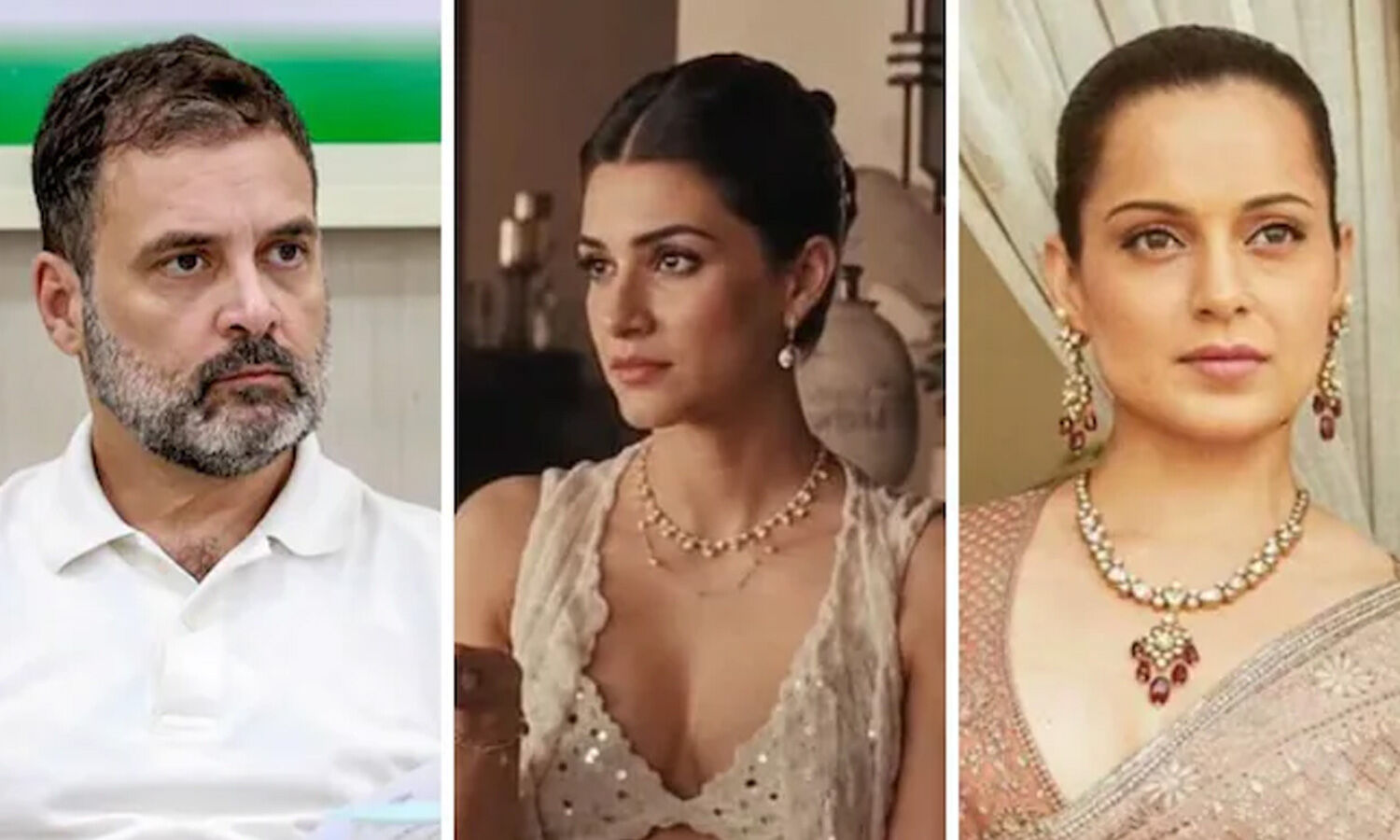
GIVA Withdraws Kriti Sanon Raksha Bandhan Ad After Backlash

GIVA Withdraws Kriti Sanon Raksha Bandhan Ad After Backlash

GIVA Says Safety Concerns Drove Withdrawal of Kriti Sanon Ad
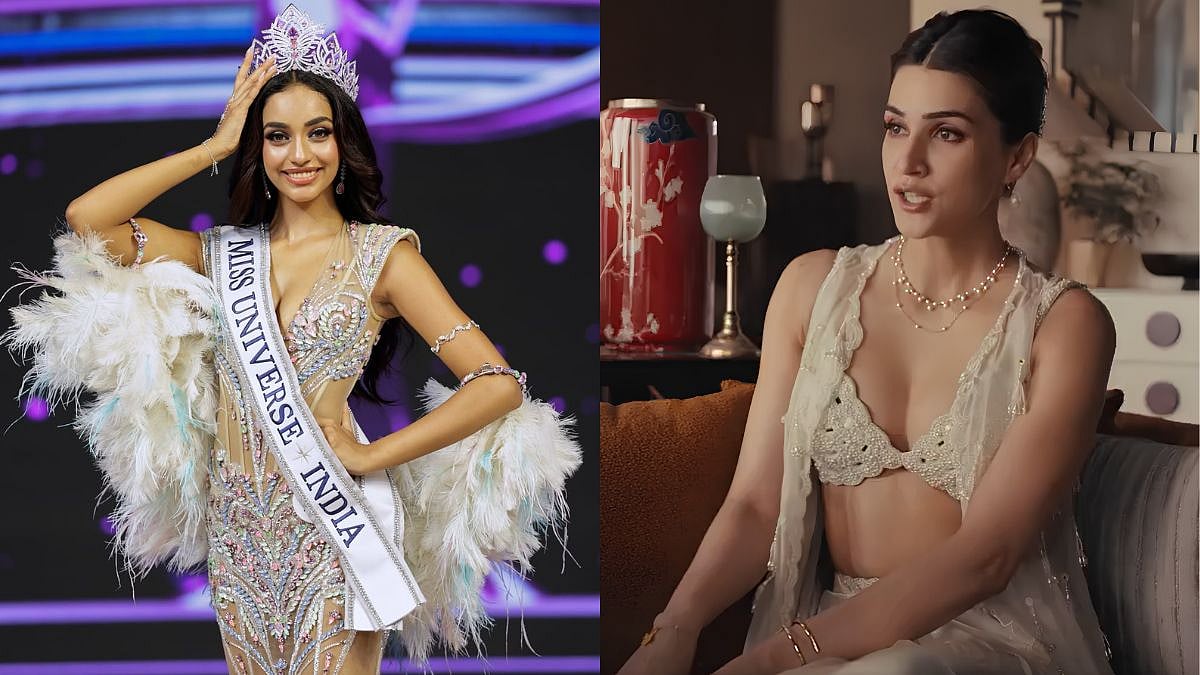
Miss Universe India 2026 Weighs In On Kriti Sanon Ad

Celebrity Looks Show How to Add Whimsy to Everyday Fashion

Rakhi Advertisement Withdrawal Rekindles Debate Over Women’s Clothing
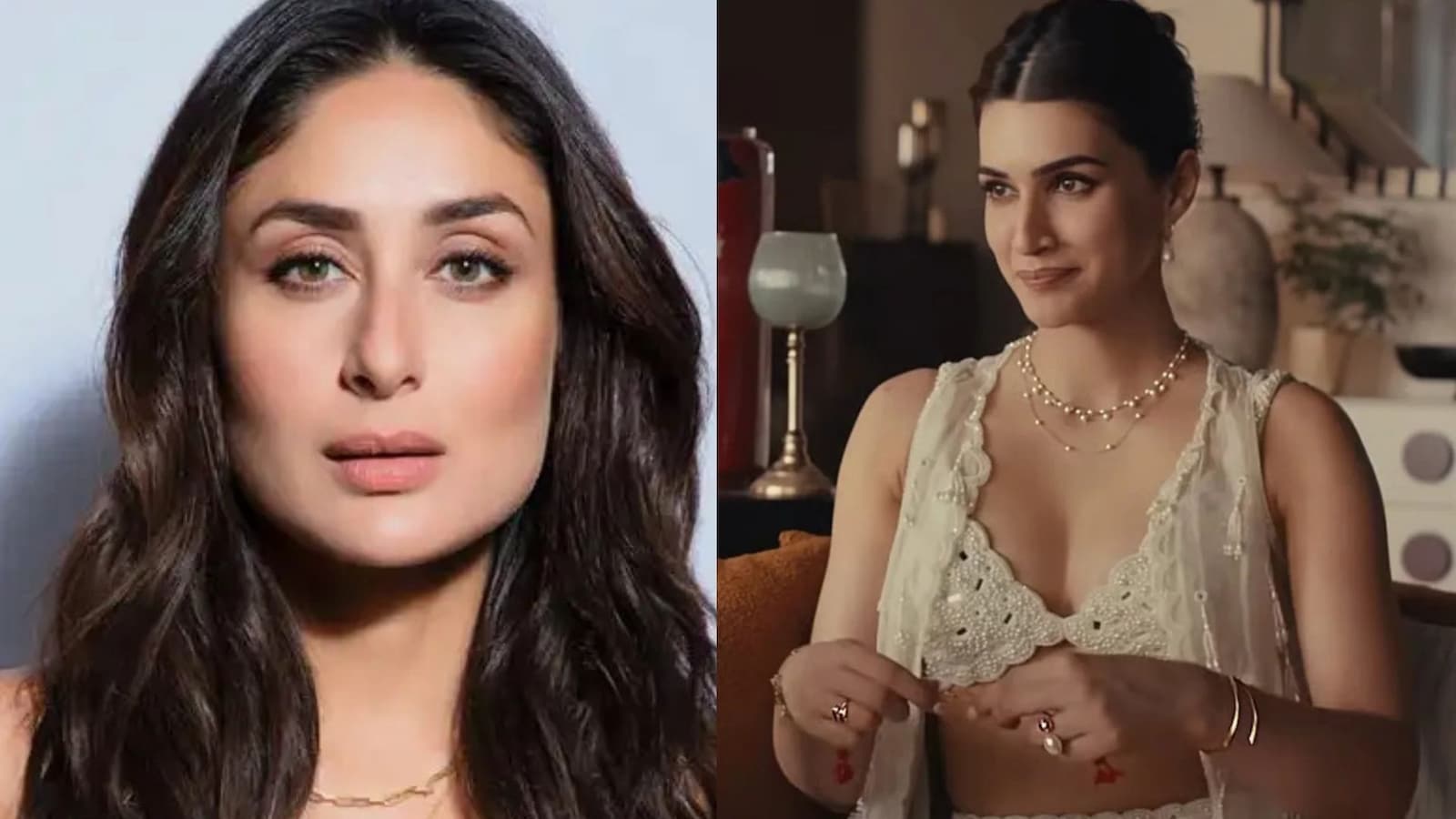
Kareena Dodges Kriti Ad Debate as Meghna Gulzar Responds