

2 hrs ago
How Mining Revenue Could Support District Development
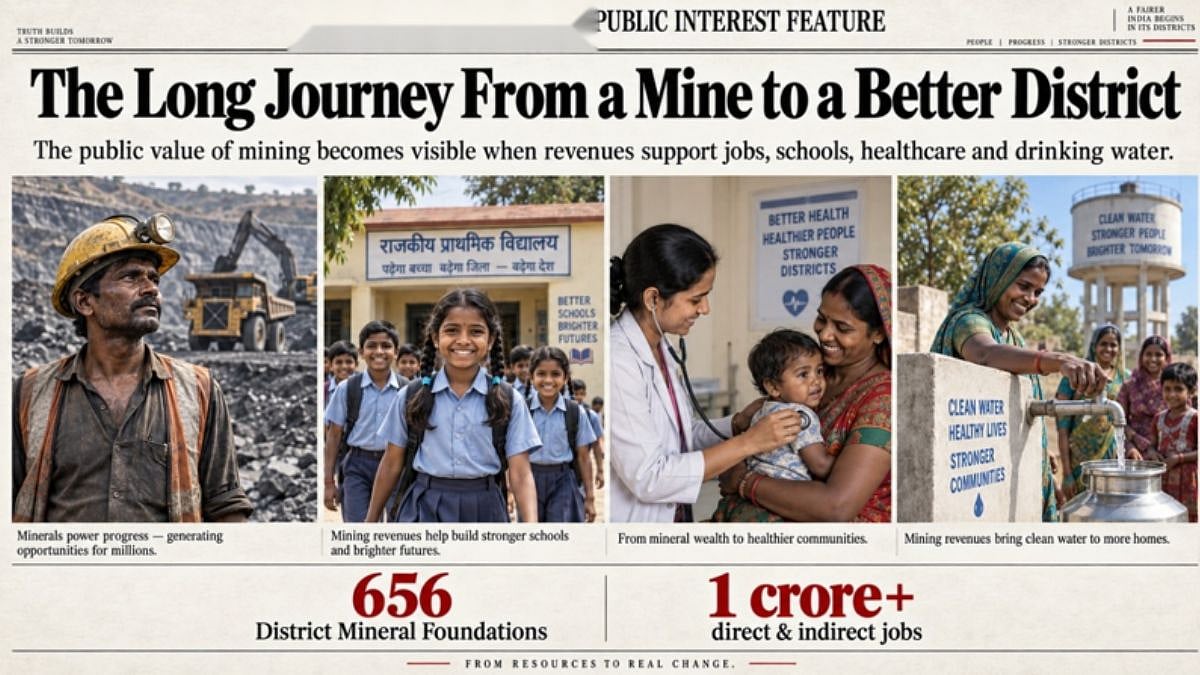
Mining can provide jobs and money to governments.
The article says some of that money can help pay for roads, schools, health services and clean drinking water near mines.
District Mineral Foundations are one way to direct mineral-linked funds to local needs.
The article reports that state mineral revenues have grown over time.
It also says many mineral blocks have been auctioned, though fewer have started operating.
Odisha is highlighted for having 34 auctioned blocks in operation.
A new law sets out conditions for certain state charges on mineral land and rights.
The article argues that steady mining can support workers, states and local communities over many years.

India’s 656 District Mineral Foundations, including 106 in aspirational districts, direct mineral-linked funds toward local priorities.
The article says mineral revenue accruing to states rose from ₹25,206 crore in 2014-15 to ₹1,14,549 crore in 2025-26.
Since 2015, more than 720 mineral blocks have been auctioned, and 105 have become operational.
Odisha has auctioned 79 blocks and operationalised 34, the highest number among the states, according to the article.
The Mines and Minerals (Development and Regulation) Amendment Act, 2026 came into force on 22 August 2026, establishing rules for state levies on mineral rights and mineral-bearing land.
- Who
- India’s states, mining districts, mineral companies and workers are discussed.
- What
- The article describes mineral production, state revenue, district development funds and the 2026 amendment to the MMDR Act.
- Where
- India, with examples from Odisha and Jharkhand.
- When
- It covers figures from 2014-15 through 2025-26 and says the amendment came into force on 22 August 2026.
- Why
- The article argues that sustained mineral production and predictable rules can support jobs, public revenue and development in mining-affected districts.
Key facts
- District Mineral Foundations
- 656 nationwide, including 106 in aspirational districts, according to the article.
- Jharkhand DMF collections
- Around ₹19,000 crore across all 24 districts.
- State mineral revenue
- Rose from ₹25,206 crore in 2014-15 to ₹1,14,549 crore in 2025-26.
- Mineral block auctions
- More than 720 blocks auctioned since 2015; 105 became operational.
- Odisha
- 79 blocks auctioned and 34 operationalised, the highest operational count among states stated in the article.
- Amendment commencement
- The Mines and Minerals (Development and Regulation) Amendment Act, 2026 came into force on 22 August 2026.
- Mineral imports
- The article reports imports worth ₹10,12,529 crore in FY 2025-26.
Sources
Related news
Odisha Mining Law Sparks Fresh Centre-State Tussle
New Mining Law Limits State Levies, Sparks Federalism Dispute
MMDR Act 2026: Boon or Bane for Odisha Mining?
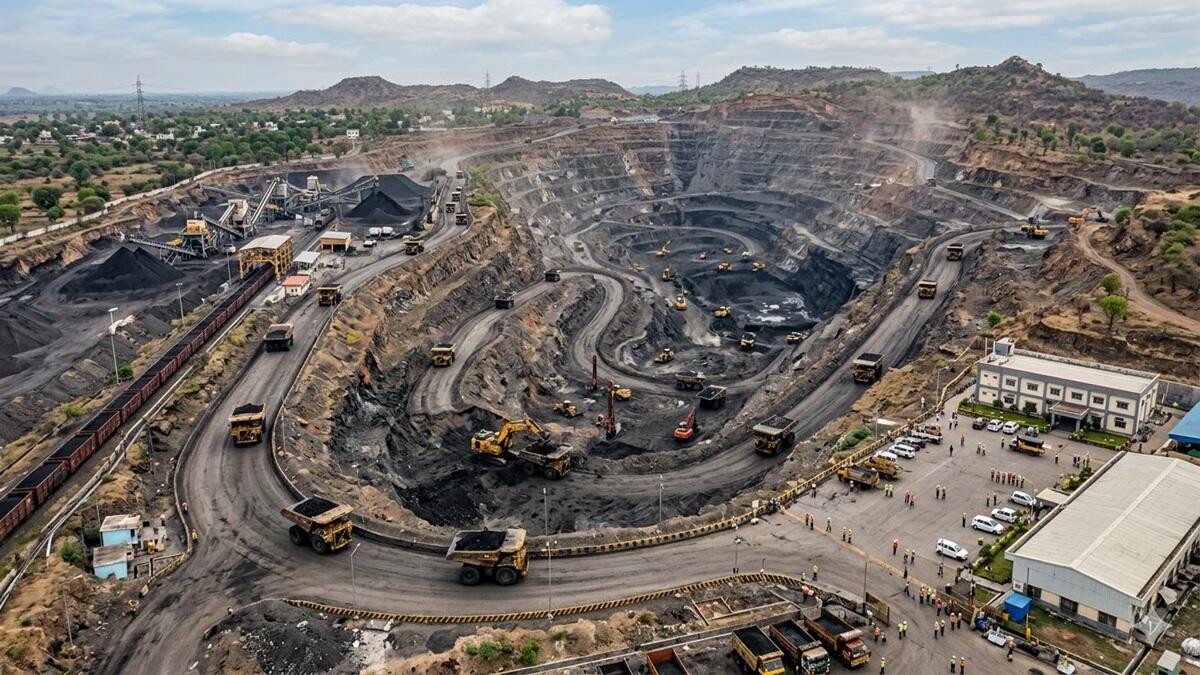
Six Newly Auctioned Coal Mines Promise Revenue, Investment, Jobs

Jharkhand Minister Seeks Mineral Cess Power, GST Compensation
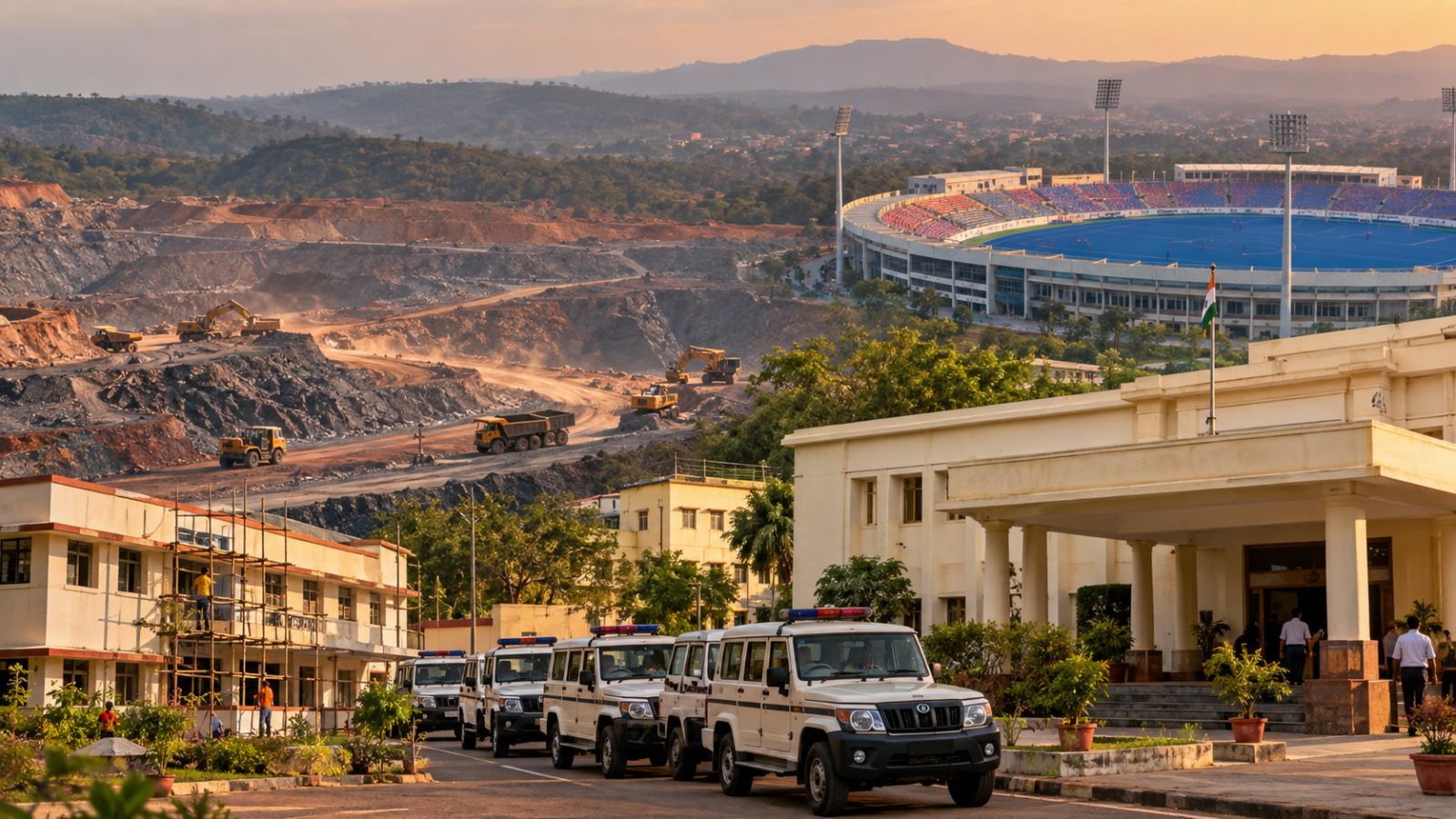
CAG Flags Odisha DMF Spending on Stadium and Offices
Home Ministry Orders States to Stop CJP Supporters Mobilising

Twisha Sharma’s Father Seeks Supreme Court Trial Transfer to Delhi
Home Ministry Warns of Law-Order Risks Ahead of CJP Protest
Delhi Protest Restrictions Draw Opposition Criticism and BJP Defense
Supreme Court Seeks States’ Replies on Electricity Commission Vacancies