15 hrs ago
Why Nobel Prize Recipients Are Called Laureates, Not Winners
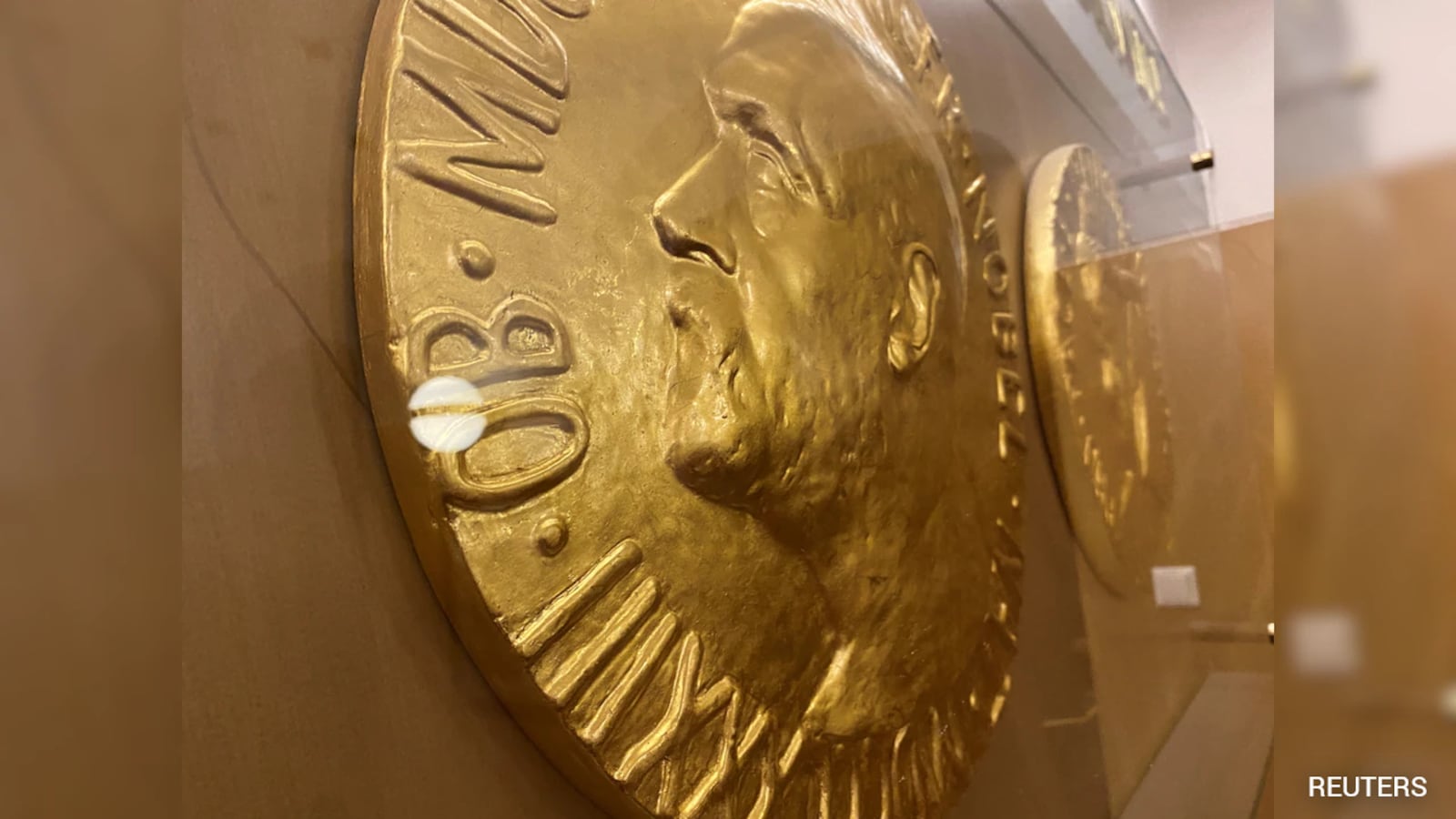
A Nobel Prize recipient is often called a laureate.
The word comes from laurel wreaths used in ancient Greece to honour people who excelled.
These wreaths were given to winners in sports and poetry contests.
The ancient Greek god Apollo was also often shown wearing one.
Over time, a laurel wreath became a symbol of achievement.
The Nobel Prize organization says “laureate” is about being honoured for an achievement, not just winning a contest.
A laureate can be a person or an organisation.
Recipients get a medal, a diploma and a document confirming the prize amount.
The award ceremonies take place every December 10.

“Laureate” comes from laurel wreaths used in ancient Greece to honour victors in athletic and poetic contests.
The Nobel Prize organization says the term emphasizes being honoured for an achievement rather than simply winning a competition.
A Nobel Prize laureate can be an individual or an organisation.
From 1901 through 2025, Nobel Prizes were awarded 633 times to 1,026 people and organisations.
Laureates receive a medal, a diploma and a document confirming the prize amount at ceremonies held each year on December 10.
- Who
- People and organisations honoured with Nobel Prizes.
- What
- The article explains the origin and meaning of the title “Nobel Prize laureate.”
- Where
- The article discusses the term’s origins in ancient Greece and Nobel Prize ceremonies.
- When
- Nobel Prizes were first awarded in 1901; ceremonies take place every December 10.
- Why
- “Laureate” refers to being honoured for an outstanding achievement and is linked to the laurel wreath, an ancient symbol of honour.
Key facts
- First Nobel Prizes
- Awarded in 1901.
- Ceremony date
- December 10, the anniversary of Alfred Nobel’s death.
- Awards through 2025
- 633 award instances.
- Recipients through 2025
- 1,026 people and organisations.
- What laureates receive
- A Nobel Prize medal, a diploma and a document confirming the prize amount.
- Origin of “laureate”
- The word is linked to laurel wreaths used in ancient Greece as marks of honour.
Sources
Related news

Nobel Prizes: 2026 Awards Begin With Medicine, End With Economics
Nobel Prize 2026 Announcements Scheduled Across October

Nobel Prize 2026: Prize Money Rises to SEK 12 Million

Why the Nobel Prize Keeps Literary Readers in the Dark

Anne Carson Wins Nobel for Transforming Poetry and Literature

Why Predicting the Nobel Literature Winner Remains Difficult

Apollo Software Pioneer Margaret Hamilton Dies at 90

Margaret Hamilton, Apollo Code Pioneer, Dies at 90
U.S. Orbital Weapons Acknowledgment Marks Landmark Space Militarization Moment

Scientists Suggest Venus May Have Destroyed Its Own Moon