1 hr ago
Darjeeling’s Gorkhaland Demand Returns After Decades of Failed Settlements
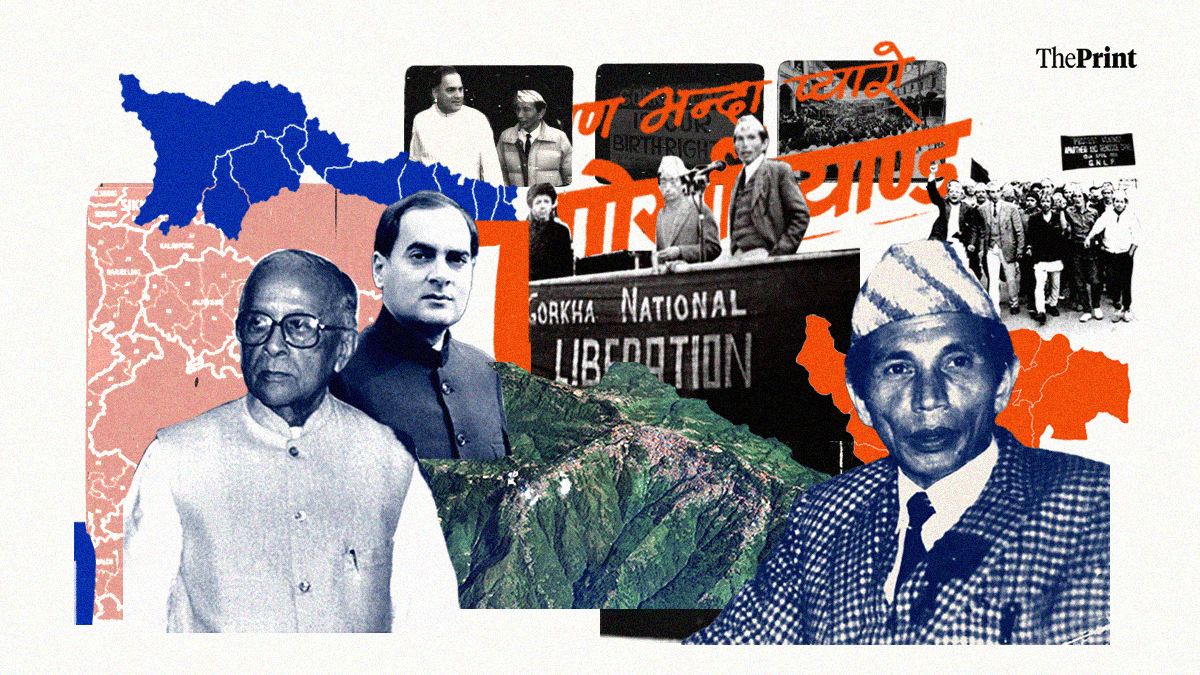
People in Darjeeling have long wanted greater control over how their region is governed.
Many say they want a separate state called Gorkhaland.
Over the years, protests and talks have led to agreements that gave the hills some local powers, but the main demand was not settled.
The movement has sometimes turned violent, including during major unrest in the 1980s and in 2017.
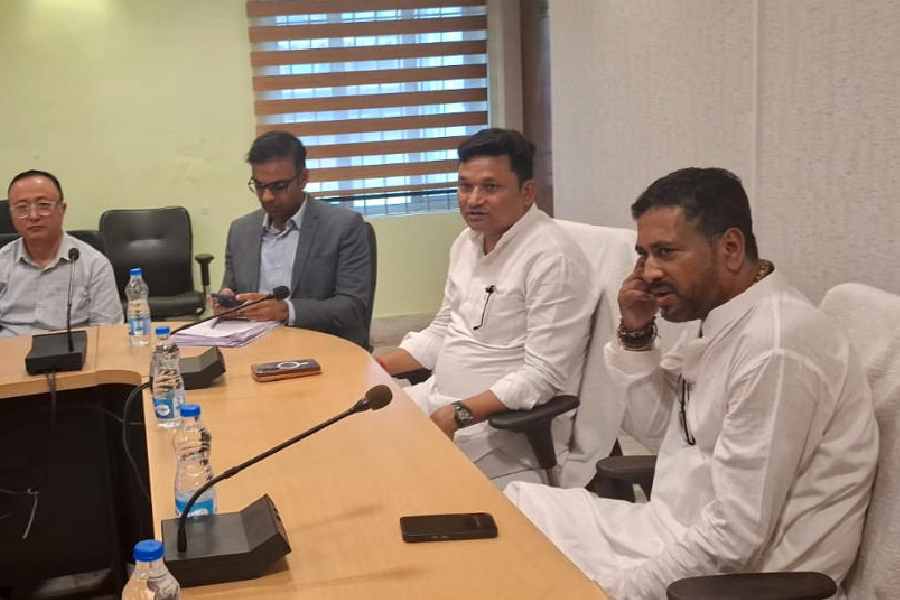
Now, leaders from the hills, West Bengal and the central government are talking again.
The Centre has appointed a committee to suggest a lasting solution.
People disagree about what that solution should be: some want more autonomy, while others want a separate state.
The talks have begun, but there is no final agreement yet.

The Gorkhaland movement has cycled through protests, negotiations and limited-autonomy agreements for decades without resolving the demand for statehood.
A march near Darjeeling railway station on 10 August called for Gorkhaland and gave the Centre three months to act.
Pankaj Kumar Singh, appointed central interlocutor in October 2025, has held talks with hill leaders and other stakeholders.
After a tripartite meeting on 22 August, Home Minister Amit Shah announced a committee led by Singh to prepare a roadmap for a “permanent political solution.”
Possible outcomes remain contested: some seek Sixth Schedule status or a Union Territory, while Gorkhaland supporters insist on statehood.
- Who
- Hill leaders seeking a political settlement, the Centre, the West Bengal government, and central interlocutor Pankaj Kumar Singh.
- What
- Renewed negotiations over the long-running demand for a permanent political solution to the Gorkhaland question.
- Where
- Darjeeling and New Delhi, with negotiations involving the Centre and the West Bengal government.
- When
- The article describes a march on 10 August, a tripartite meeting on 22 August, and Singh’s appointment in October 2025.
- Why
- Hill leaders say existing agreements have not resolved demands for identity, meaningful autonomy and, for many, statehood.
Supporters of Gorkhaland statehood
Alternative autonomy arrangements
What form should a settlement take?
Supporters of Gorkhaland statehood
Many hill leaders say statehood is the goal and that earlier council arrangements did not provide meaningful autonomy or resolve identity concerns.
Alternative autonomy arrangements
Other proposals mentioned include Sixth Schedule status or a Union Territory; the article also reports the Centre’s pursuit of a broader political solution.
Who should shape the outcome?
Supporters of Gorkhaland statehood
Hill leader Swaraj Thapa says any solution should be reached in consultation with the people.
Alternative autonomy arrangements
The Centre and West Bengal government are parties to the tripartite talks, and the Centre has tasked a committee with drafting a roadmap.
Key facts
- Central interlocutor
- Pankaj Kumar Singh, appointed in October 2025.
- Latest cited tripartite meeting
- 22 August; the article does not specify the year.
- Committee
- Amit Shah announced a committee led by Singh to draft a roadmap for a “permanent political solution.”
- March
- Hundreds marched near Darjeeling railway station on 10 August, demanding Gorkhaland and giving the Centre three months to act.
- Earlier agreement
- The Darjeeling Gorkha Hill Council was approved in July 1988 and signed on 22 August 1988.
- Later arrangement
- The Gorkhaland Territorial Administration was established through a deal in 2011 and covered 59 departments.
- Possible proposals
- Sixth Schedule status, Union Territory status, or statehood.
Quotes
Subhas Ghising
Founder of the Gorkha National Liberation Front and leader of the 1980s movement.
“We don’t want to get separated from India; we want to remain within the Indian Union, being its loyal citizens. Simply, we have demanded a separate identity or separate State within the Indian Union.”
 theprint.in
“every Gorkha will have a smile on his face”
theprint.in
Sources
Related news

Bhattacharya Suggests Sixth Schedule Framework for Darjeeling Hills Solution
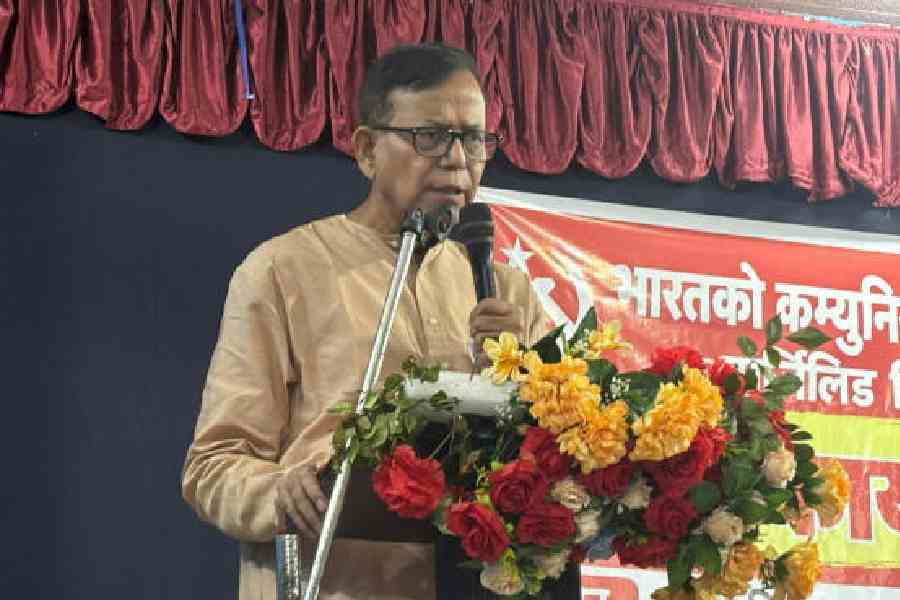
Md Salim Demands Constitutional Autonomy for Darjeeling Hills

Ladakh Groups Plan Padyatra After Talks With Centre Stall
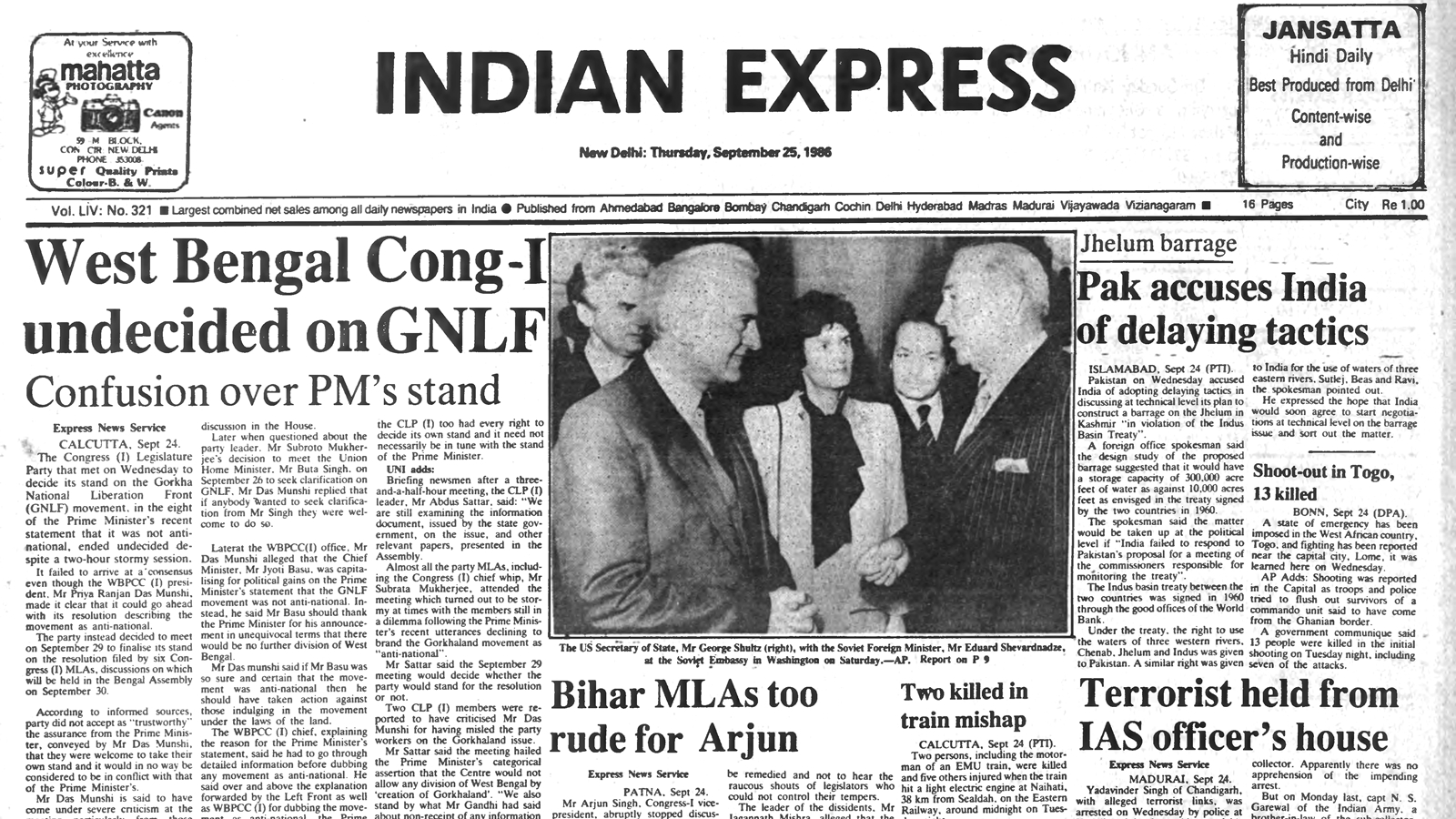
Congress Divided Over GNLF as India Faces Regional Disputes
Sonam Wangchuk Warns Fresh Ladakh Agitation After Talks Stall
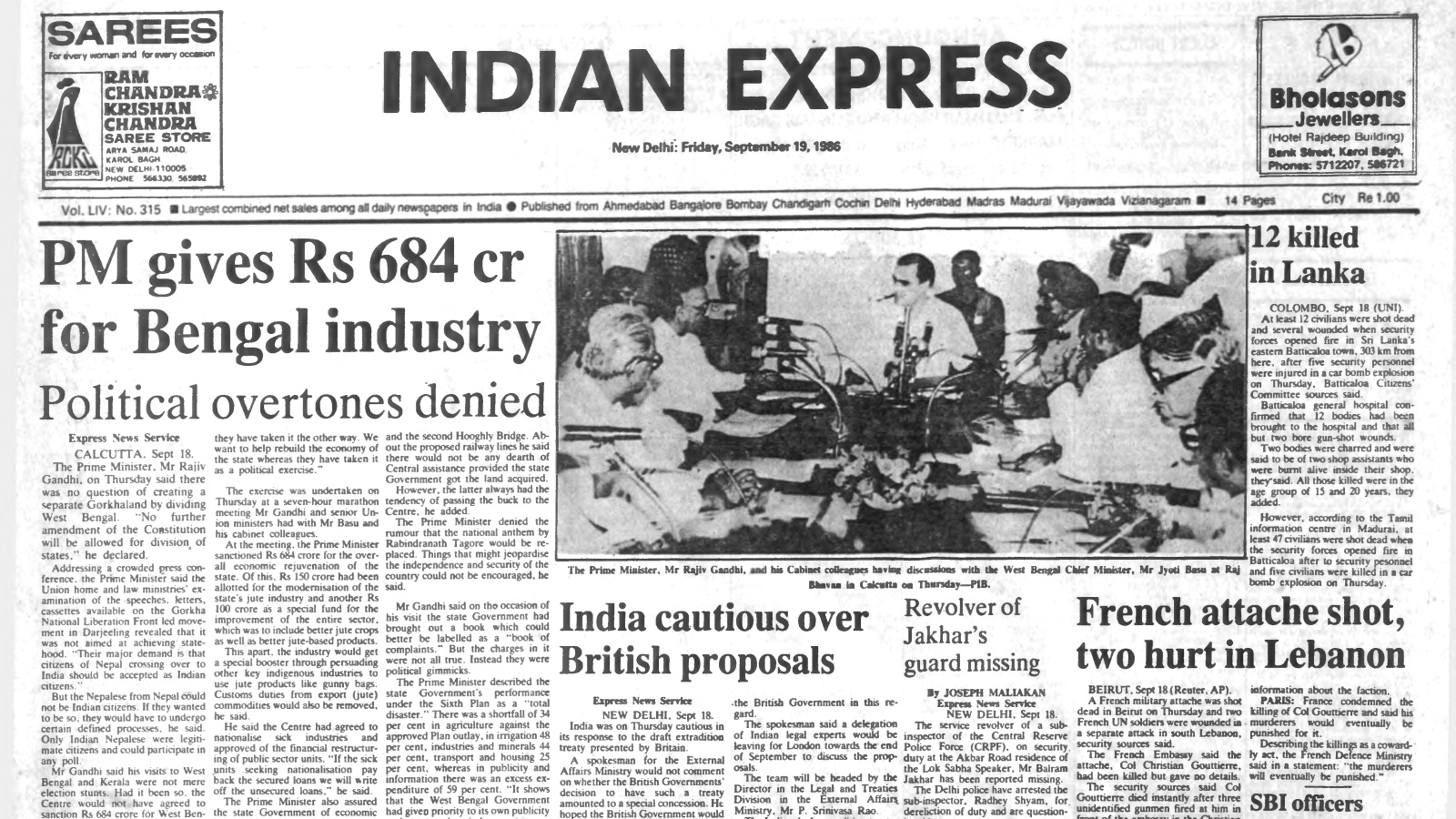
Rajiv Gandhi Rejected Gorkhaland Demand 40 Years Ago
Bengal Plans Tea and Palash Festivals to Boost Tourism
Delhi Police Intensifies Patrolling After Manipur Musician’s Killing
New six-lane Teesta bridge aims to ease congestion
Hoichoi Unveils 25-Title Slate Featuring Satyajit Ray, Ramakrishna