2 weeks ago
Four princely states that initially refused to join India
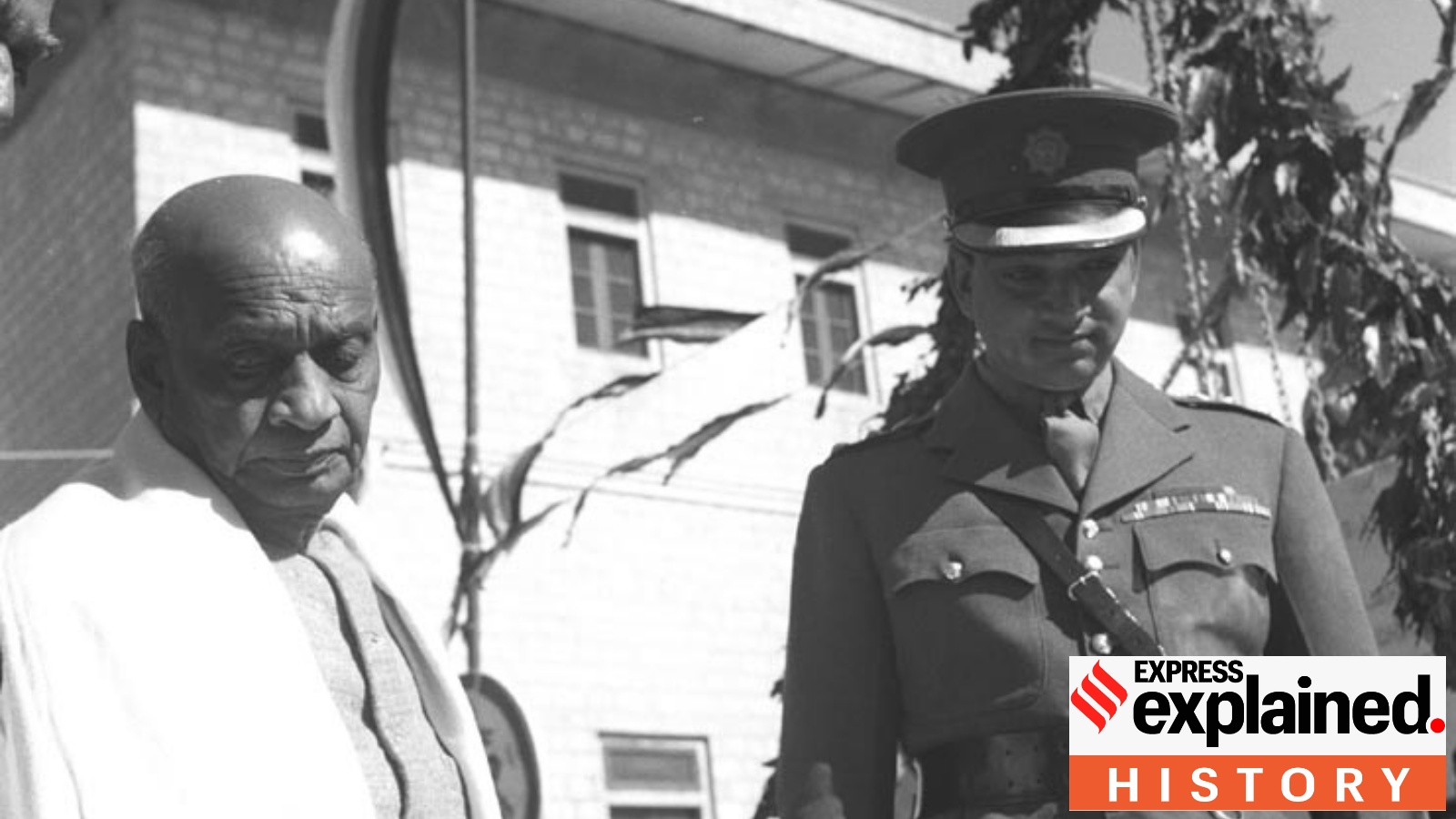
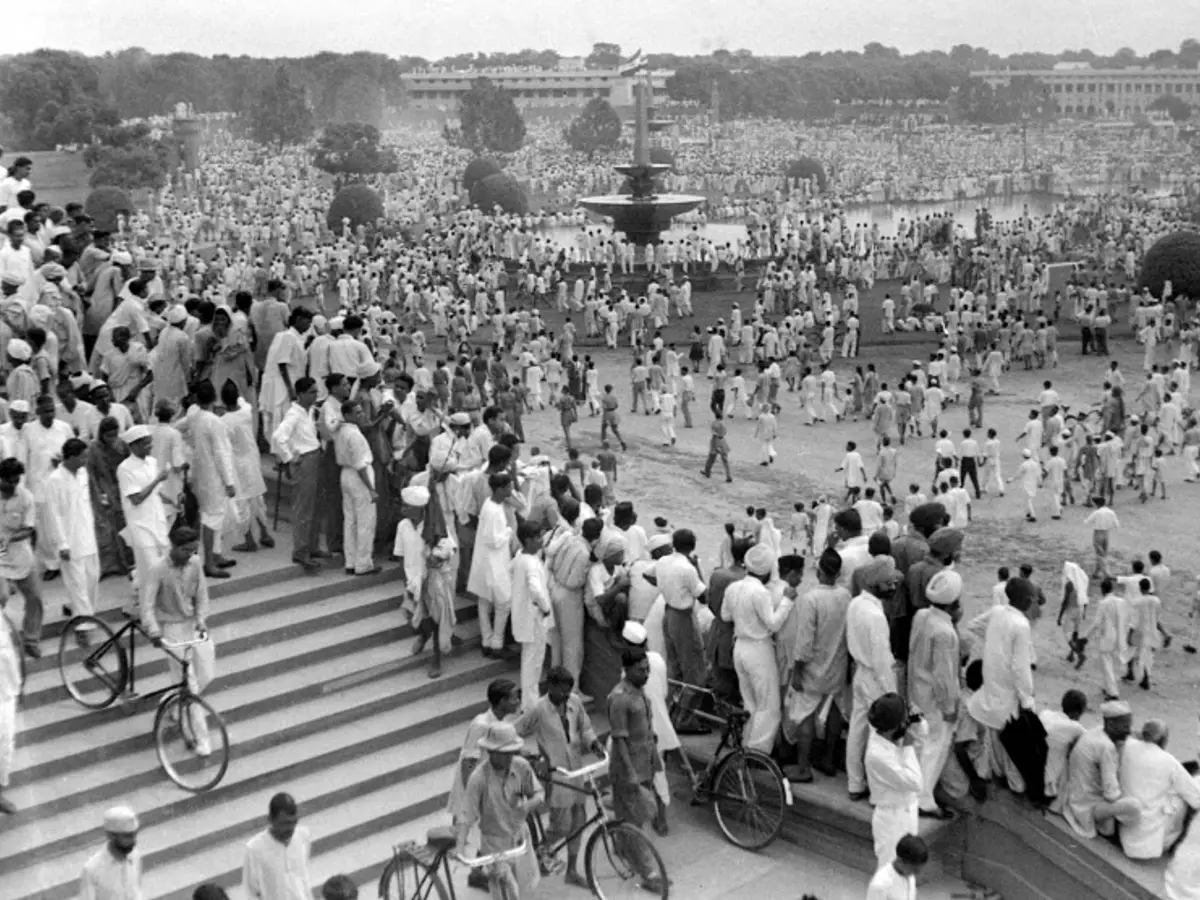
At midnight on August 15, 1947, India became free from British rule, and leader Jawaharlal Nehru said India had awoken to life and freedom.
But India was made up of hundreds of small kingdoms called princely states that also had to join the new nation.
The government put Sardar Vallabhbhai Patel in charge of convincing all the princes to join India.
Most of them agreed, but four states — Travancore, Jodhpur, Bhopal, and Junagadh — said no at first.
Some rulers wanted to stay independent and rule their own kingdom.
Others, like Jodhpur's prince, were tempted to join the new country of Pakistan.
Patel, with help from Lord Mountbatten and secretary VP Menon, talked most of them into joining India.
Travancore joined India on July 30, 1947, after its Dewan survived an attack.
Junagadh's ruler joined Pakistan instead, so India sent soldiers and held a vote.
In that vote, 91% of the people of Junagadh chose to join India.

Beyond Kashmir and Hyderabad, four princely states — Travancore, Jodhpur, Bhopal, and Junagadh — initially refused to join the Indian Union.
Travancore's Dewan, Sir CP Ramaswami Aiyar, pursued an independent Travancore but joined India on July 30, 1947, after surviving an assassination attempt by a Kerala Socialist Party member.
Jodhpur's Maharaja Hanvant Singh was tempted by Jinnah's offer of Karachi port facilities, military, and agrarian support before Sardar Patel won him back to sign the Instrument of Accession.
Bhopal's Nawab Hamidullah Khan, a close friend of the Muslim League, sought independence but acceded after seeing most princes join India by July 1947.
Junagadh's Nawab acceded to Pakistan; after Indian troops forced annexation of its principalities, a February 20, 1948 plebiscite saw 91% of voters choose India.
- Who
- Sardar Vallabhbhai Patel, VP Menon, and Lord Mountbatten led the States Department's integration drive, facing resistance from Sir CP Ramaswami Aiyar (Travancore), Maharaja Hanvant Singh (Jodhpur), Nawab Hamidullah Khan (Bhopal), and Nawab Muhammad Mahabat Khanji III (Junagadh).
- What
- Four princely states — Travancore, Jodhpur, Bhopal, and Junagadh — initially refused to join the Indian Union; historian Ramachandra Guha notes that Jinnah propelled Travancore's independence bid.
- Where
- Travancore, a southern maritime state; Jodhpur, a Rajput state bordering the soon-to-be-born Pakistan; Bhopal; and Junagadh, the most important Kathiawar state.
- When
- Around India's independence on August 15, 1947; Travancore acceded on July 30, 1947, Bhopal acceded by July 1947, and Junagadh's plebiscite was held on February 20, 1948.
- Why
- Congress, since its 1938 Haripura session, considered the states 'integral parts of India which cannot be separated', while some rulers sought independent statehood and others were drawn to Pakistan.
Backers of princely independence or Pakistan
Indian Union integrationists
Independent statehood
Backers of princely independence or Pakistan
Rulers such as Travancore's Dewan and Bhopal's Nawab argued for independent statehood, with Travancore open to signing a treaty with the Indian Union.
Indian Union integrationists
Congress declared the states 'integral parts of India which cannot be separated' and used the States Department to coax, cajole, and convince all princes to accede.
Jodhpur: India or Pakistan
Backers of princely independence or Pakistan
Jinnah offered the Hindu-majority state of Jodhpur full port facilities in Karachi plus military and agrarian support to entice the Maharaja toward Pakistan.
Indian Union integrationists
Sardar Patel warned of the problems of joining a Muslim state, offered sufficient benefits, and won back the prince, who signed the Instrument of Accession after briefly drawing a revolver.
Junagadh's accession and plebiscite
Backers of princely independence or Pakistan
Junagadh's Dewan, Sir Shah Nawaz Bhutto of the Muslim League, pressed the Nawab to accede to Pakistan, which accepted the accession request.
Indian Union integrationists
Enraged Indian leaders requested a plebiscite, sent troops to force annexation of its principalities, and 91% of voters ultimately chose India on February 20, 1948.
Key facts
- Indian independence
- August 15, 1947 (midnight)
- States Department head
- Sardar Vallabhbhai Patel
- States Department secretary
- VP Menon
- Integration objective declared
- 1938 Haripura session of the Congress
- Travancore accession
- July 30, 1947
- Junagadh plebiscite
- February 20, 1948 — 91% chose India
- Junagadh's Nawab
- Muhammad Mahabat Khanji III
- First states to join
- Bikaner, Baroda and other Rajasthan states
Quotes
Maharaja Hanwant Singh of Jodhpur
Ruler of the princely state of Jodhpur, which initially leaned towards Pakistan
“no ruler could run away from the dominion closest to him”
 indianexpress.com
“I will not accept your dictation”
indianexpress.com
Sources
Related news
India's 80th Independence Day: How the country's map changed

Goa: The Only Indian State Never Under British Rule

Book traces political journey of Andhra Pradesh and Telangana
Kharge rejects RSS role in protecting Hindus from Razakars
Partition and poverty: the fractured India British left behind