10 hrs ago
Maharashtra Drought Drives Sugarcane Workers Into Early Migration
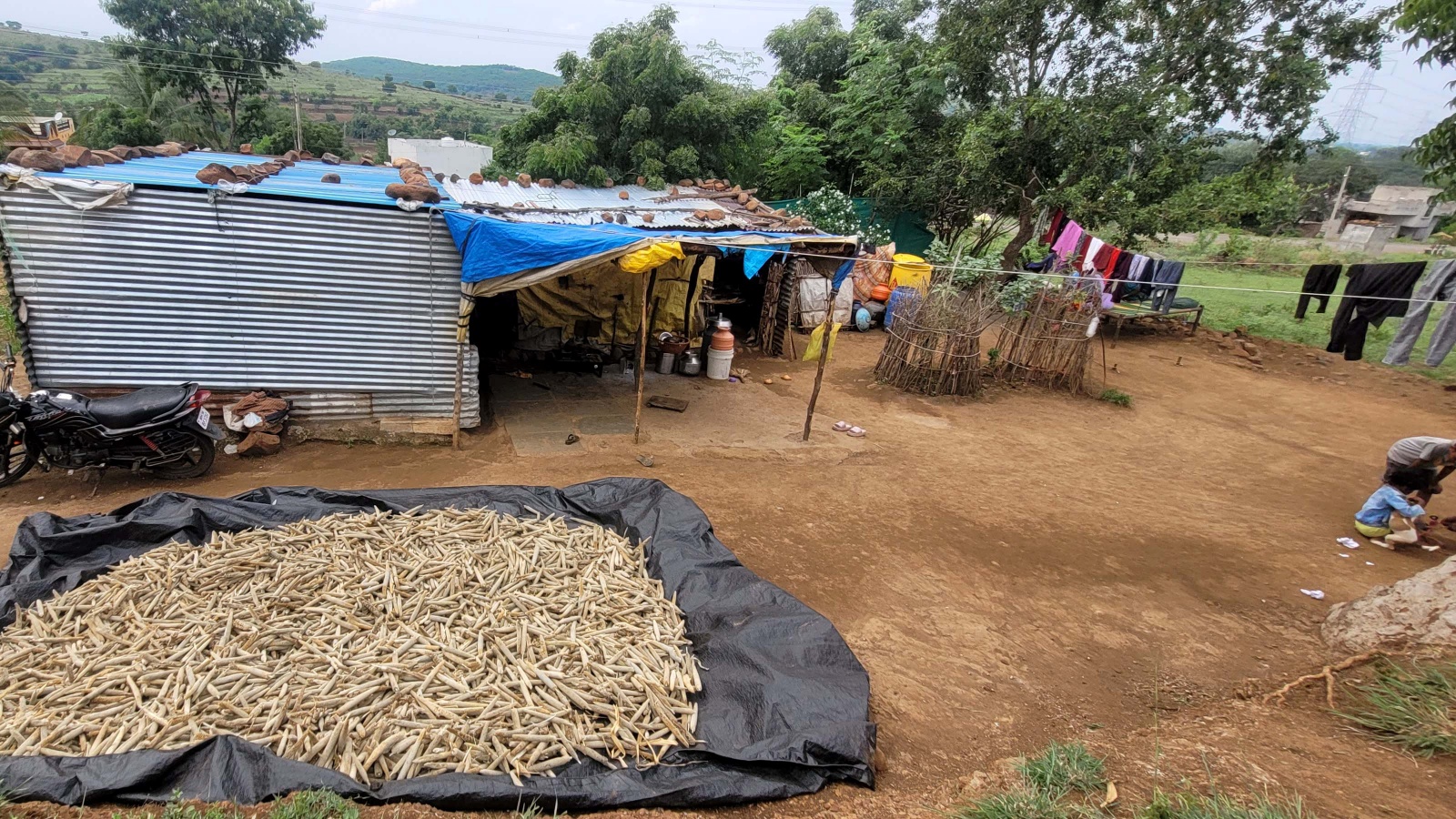
A severe drought has damaged crops in parts of Maharashtra.
Many small farmers and landless workers now have little work or money at home.
They usually leave for sugarcane-cutting jobs after Dussehra, but this year some left as early as August and September.
Families have travelled to sugar factories in western Maharashtra, Karnataka and Tamil Nadu.
Labour contractors called mukadams may give workers money in advance for food and other needs.
In return, workers must stay and work at the factory for the season.
The work is very hard, and families may lack clean water, housing and sanitation.
Officials say employment schemes can help, while activists and workers say such work has not been available.
The early migration has increased concerns about debt, worker safety and children travelling with their parents.

Families from drought-hit Beed, Dhule and Nandurbar began migrating in August and September after kharif crops failed.
Maharashtra declared drought in 265 of its 358 talukas across 32 districts.
Workers are travelling to sugar factories in western Maharashtra, Karnataka and, for some families, Tamil Nadu.
Mukadams provide advances that offer immediate cash but bind workers to seasonal factory labour until roughly March or Holi.
Activists say poor living conditions and weak enforcement leave migrant sugarcane workers vulnerable to debt and bonded labour.
- Who
- Small farmers and landless agricultural labourers from drought-hit Beed, Dhule and Nandurbar, along with mukadams, officials and worker-rights activists.
- What
- Failed kharif crops have triggered unusually early migration to sugarcane-cutting jobs, with families taking advances from labour contractors.
- Where
- The workers are leaving villages in Beed, Dhule and Nandurbar for sugar factories in western Maharashtra, Karnataka and Tamil Nadu.
- When
- Workers began leaving as early as August and September, rather than usually migrating after Dussehra; many are expected to work until March or Holi.
- Why
- Rainfall failure and destroyed crops have reduced farm work and household income, forcing families to seek immediate earnings.
Worker advocates and migrants
Government and administrative response
Availability of local employment
Worker advocates and migrants
Workers and activists say employment under the rural work scheme has not been forthcoming despite crop failures, leaving families with little choice but to migrate.
Government and administrative response
District officials said employment would be made available through the Viksit Bharat–Guarantee for Rozgar and Ajeevika Mission (Gramin), or VB–G RAM G.
Conditions at sugar factories
Worker advocates and migrants
Activists say housing, clean water, sanitation, health services and childcare recommendations have not been adequately implemented or verified, increasing risks for distressed migrants.
Government and administrative response
The state had agreed to recommendations including better housing, health check-ups, creches and continued education for children accompanying workers, while authorities said they had received no migration reports from some districts.
Effect of contractor advances
Worker advocates and migrants
Workers’ advocates say advances can deepen financial dependence and make it harder for migrants to bargain for their rights, with concerns about bonded labour.
Government and administrative response
For families whose crops have failed, advances provide immediate money for food, medicines, clothing and other necessities before seasonal wages are earned.
Key facts
- Drought declaration
- 265 of Maharashtra’s 358 talukas across 32 districts were declared drought-affected.
- Typical migration period
- Sugarcane workers generally migrate after Dussehra, following the harvest of their own crops.
- Reported early departures
- Some families left in August, while workers from Dhule and Nandurbar began leaving in the first week of September.
- Payment system
- Under the koyta system, a couple is treated as one unit and paid around Rs 366 per tonne of sugarcane cut.
- Work conditions
- Workers typically spend seven to eight hours cutting cane and several additional hours loading it onto trucks.
- Seasonal advance
- Mukadams provide advances for food and other essentials, tying workers to factory work for the season.
- Earlier court concern
- The Bombay High Court recorded that 10 to 12 lakh workers migrate from drought-prone areas for sugarcane work.
Quotes
Manisha Tokle
Women’s rights activist with the Mahila Ustod Sanghtana
“The work at a sugar factory is backbreaking. Women have to carry 30-40 kgs of the cut sugarcane on their heads to load and unload them on trucks each time. Why would someone prefer to stay away from their homes in such conditions if work guaranteeing minimum wages were available here? The early distressed migration makes bargaining for their rights even more difficult in such conditions. Failing to account for and provide them employment is a political and administrative failure.”
 indianexpress.com
“There was no yield from our bajra crop. With no source of income to survive here, my sister-in-law went to Tamil Nadu with her husband, their two sons and daughter-in-law, and her one-year-old baby. The child could not be left behind without the mother so she had to be taken too. We have spoken on the phone a few times and they told us that the weather is harsh and they are facing many difficulties.”
indianexpress.com
Sources
Related news

Severe drought devastates Yavatmal soybean and cotton crops
Maharashtra Promises Drought Relief and Loan Waivers for Farmers

Maharashtra Cancels Leave as Drought Hits 265 Talukas
Maharashtra Drought Hits Sakri After Monsoon Dry Spell

Maharashtra Drought-Like Conditions Threaten Water and Fodder Supplies

Pawar Seeks Maharashtra Drought Declaration, Loan Waiver for Farmers

Bombay High Court urges aggressive stray dog sterilisation in Maharashtra

Lawyers Defend Detained CJP Student Protesters