

1 day ago
Hindutva's Rise, Minority Rights, and India's Political Future
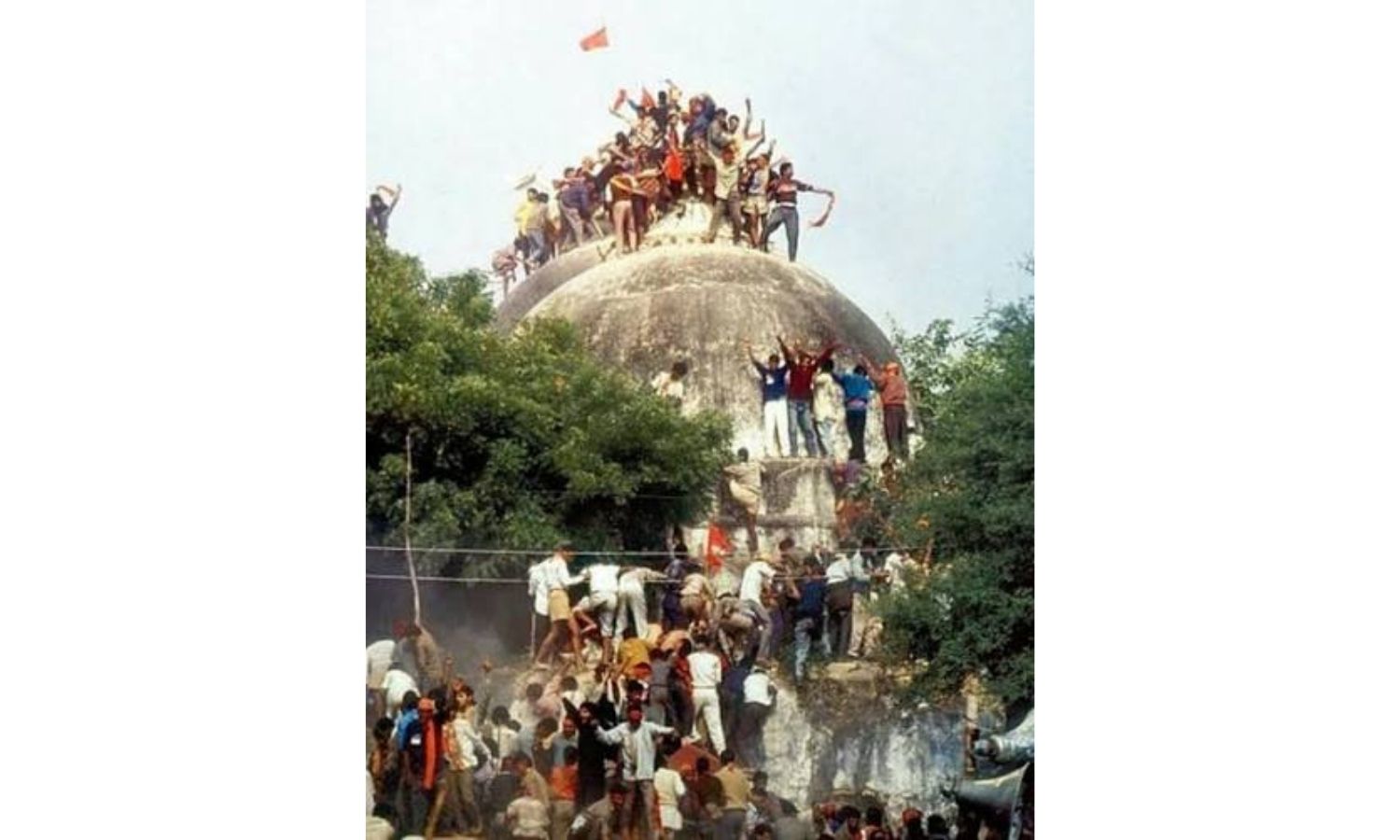
Aakar Patel says Hindutva is a political idea about making India primarily a Hindu nation, while Hinduism is a religion.
He says this idea can affect what minorities eat, where they pray, whom they marry, and where they live.
Patel connects the Bharatiya Janata Party’s growth to the Ayodhya mosque demolition and the violence that followed.
He says later laws and government policies have made Muslims and other minorities feel less secure.
He believes Narendra Modi has supported Hindutva more openly than earlier party leaders.
Patel also says political polarization has become a lasting strategy.
He thinks India’s society is naturally diverse, but Hindutva has entered institutions and everyday life.
He is pessimistic about the country’s future because poverty is receiving less political attention.

Aakar Patel distinguishes Hindutva, a political idea of “Hinduness,” from Hinduism, a personal religion.
He attributes the Bharatiya Janata Party’s national rise to the Ayodhya mosque demolition and ensuing violence.
Patel says laws on beef possession and interfaith marriage have contributed to minority persecution and weakened due process.
He argues Prime Minister Narendra Modi has openly championed Hindutva, helping sustain the party’s electoral support.
Patel believes India’s pluralist tradition may endure, but says Hindutva has already seeped into institutions and society.
- Who
- Aakar Patel, a senior journalist and columnist, discusses Hindutva, the Bharatiya Janata Party, Narendra Modi, and India’s minorities.
- What
- The article presents Patel’s analysis of Hindutva’s origins, political rise, effects on minorities and institutions, and implications for India’s future.
- Where
- The analysis focuses on India, including Ayodhya and Kashmir, and briefly addresses India’s relationships with Israel, China, and its neighbours.
- When
- The discussion covers developments from the early 20th century through the BJP’s rise, including changes since 2014, laws introduced in 2015 and 2018, and India’s present political situation.
- Why
- Patel argues that Hindutva has remained electorally successful through majoritarian politics, polarization, and policies he says exclude or disadvantage minorities.
Patel’s Critique
Hindutva Supporters’ Position
Meaning of Hindutva
Patel’s Critique
Patel characterizes Hindutva as a political project concerned with regulating minorities’ food, worship, marriage, and residence rather than as a personal religion.
Hindutva Supporters’ Position
As described by Patel, BJP leaders genuinely believe in Hindutva and regard it as an end in itself rather than merely an electoral tool.
Political strategy
Patel’s Critique
Patel argues that the Bharatiya Janata Party has maintained support through permanent polarization, majoritarian laws, and policies lacking due process.
Hindutva Supporters’ Position
Patel’s account indicates that the party and its leaders see their ideological project as intrinsically valuable, even when it brings political or international costs.
India’s future
Patel’s Critique
Patel believes Hindutva has harmed minority rights, weakened institutions, and displaced poverty reduction from the center of political debate.
Hindutva Supporters’ Position
Patel says Indian society remains broadly pluralist, suggesting that the country’s diverse social character could outlast the current governing ideology.
Key facts
- Ideology
- Patel describes Hindutva as “Hinduness,” a political ideology distinct from Hinduism as a religion.
- Ideological origin
- The article attributes the modern use of the term Hindutva to Vinayak Damodar Savarkar’s book about a century ago.
- Bharatiya Janata Party growth
- Patel says the party and its predecessor had single-digit national vote shares for four decades before the Ayodhya movement helped double its vote share to 18 percent.
- Ayodhya violence
- The article says roughly 3,000 Indians were killed in violence following the demolition of the mosque in Ayodhya.
- Laws cited
- Patel says laws criminalizing possession of beef began in 2015, while laws criminalizing interfaith marriage began in 2018.
- Prime minister’s role
- Patel says Narendra Modi has been more open than earlier BJP leaders about championing Hindutva and that the party reached 38 percent nationally.
- India’s minorities
- Patel says India’s minority population is larger than the population of Western Europe.
Sources
Related news

Rahul Gandhi Builds Ideological Challenge to BJP Hindutva

Columnist Argues Politics, Not Sanatan Dharma, Is the Problem

Fadnavis Backs Bhagwat's Hindu-Muslim Unity Remarks, Citing Hindutva's Tolerance

Bhagwat’s Hindu-Muslim Unity Remarks Draw Opposition Questions, BJP Defense
Vande Mataram Decision Raises Shah Bano Moment Questions for Congress
BJP MLA Anil Sharma Dies After Prolonged Illness, Yogi Mourns
India’s Global Power Ambitions Face Economic and Democratic Setbacks
Sonia Gandhi Memoir Sparks Debate Over Politics, Publishing And Speech

Rajasthan BJP Promises Early Disturbed Area Law Enforcement

Punjab Police, ED Clash Over Alleged Transfer-Posting Network
