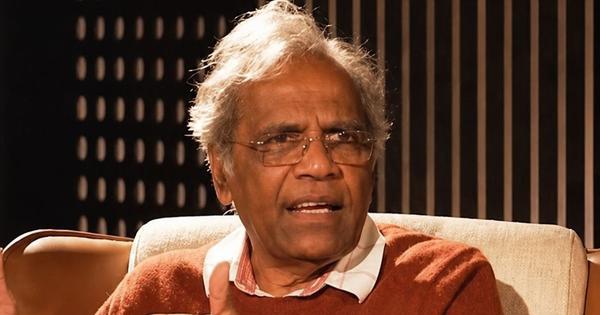
3 hrs ago
Neera Chandhoke Calls for Plural Indian Political Theory
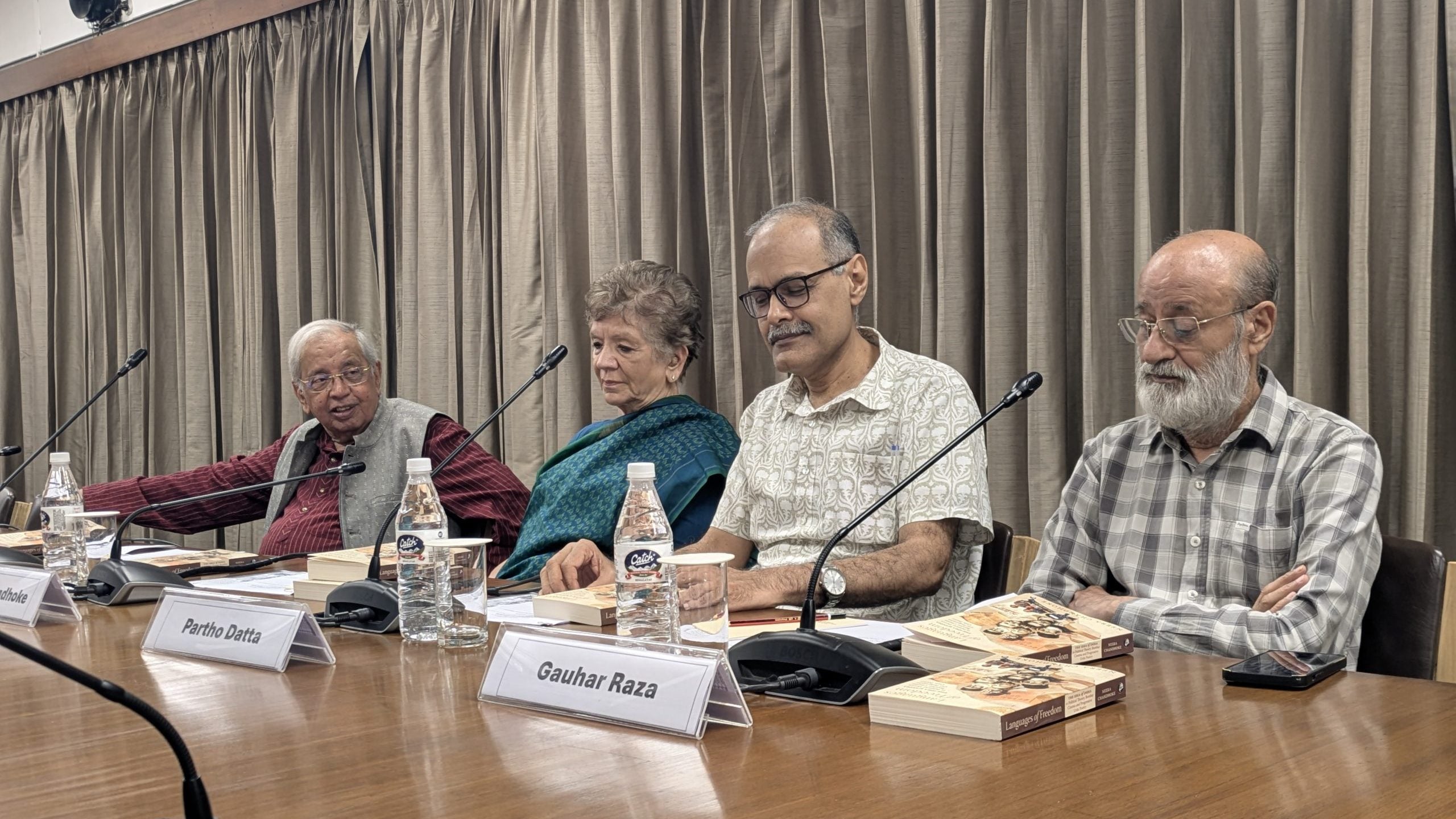
Neera Chandhoke discussed her new book about freedom and Indian political ideas in New Delhi.
She said freedom is something people must keep working toward, not something they reach once and keep forever.
She spoke against people being kept in jail for years and said citizens should be able to talk about unfairness.
The book looks at how poetry, plays and films can express ideas about freedom.
Chandhoke also questioned approaches to Indian knowledge that leave out Dalits, Adivasis and women.
She said India’s many communities and regions should be part of how its political ideas are understood.
Instead of one single theory for the whole country, she suggested there could be different regional theories.
She also emphasized finding shared traditions that bring people together.

At a New Delhi discussion of her book, Neera Chandhoke described freedom as an ongoing process rather than a final destination.
She condemned the imprisonment of former student activists and urged people to oppose restrictions on freedom and speech.
Panelists said the book explores poetry, theatre and cinema as ways of expressing freedom, including Urdu poetry’s role in the freedom struggle.
Chandhoke criticized Indian knowledge systems that she said center Hindu, Sanskritic and Brahmanical traditions while excluding Dalits, Adivasis and women.
She argued that India may need plural, regionally grounded political theories rather than one theory applied uniformly across the country.
- Who
- Political theorist Neera Chandhoke and fellow panelists Ashok Vajpeyi, Gauhar Raza and Partho Datta.
- What
- Chandhoke discussed her book and argued for freedom, inclusive knowledge traditions and plural political theory.
- Where
- India International Centre, New Delhi.
- When
- 30 September; the year is not stated.
- Why
- To discuss the book’s account of freedom and how Indian political theory can include diverse histories, communities and regions.
Plural and inclusive political theory
Single, tradition-centered account
What should inform Indian political theory?
Plural and inclusive political theory
Chandhoke argued that political ideas should be plural and should critique Brahminism, reconnect with the Mughal past, and include communities and traditions often left out.
Single, tradition-centered account
The discussion referenced approaches that seek Indian political thought in religious texts and Hindu philosophical traditions; Datta said even a benign version of this approach can be exclusive.
One national theory or regional theories?
Plural and inclusive political theory
Chandhoke said ideas do not work equally across regions and suggested developing regional political theories.
Single, tradition-centered account
The question-and-answer participant described pluralism as essential to a shared Indian interpretive tradition encompassing religious, philosophical, artistic and everyday texts.
Key facts
- Book
- Languages of Freedom: The Idea of India in Political Theory, Bombay Cinema and Progressive Urdu Poetry
- Author
- Neera Chandhoke
- Event
- Discussion of Chandhoke’s book
- Date
- 30 September; year not specified
- Venue
- India International Centre, New Delhi
- Panelists
- Ashok Vajpeyi, Gauhar Raza and Partho Datta
- Chandhoke’s proposal
- Plural, potentially regional political theories rather than one uniform Indian theory
Quotes
Neera Chandhoke
Political theorist and author of Languages of Freedom.
“It is Hindu, Sanskritic and Brahmanical. Where are your Dalits? Where are your Adivasis? Where are the women?”
 theprint.in
“Freedom has no formula.”
theprint.in
Sources
Related news
India's Intellectual Swaraj Faces Questions Over Government Control
Sitharaman Calls for Wider Archives in India’s Decolonisation
Sitharaman Praises Bhyrappa, Urges Open Intellectual Debate
Nalanda Vice-Chancellor Sets Out Vision for University’s Global Role

Amit Shah Urges Asiatic Society to Spread Indian Knowledge
Ramachandra Guha Says Young People Need Their Own Gandhi
Ashok Vajpeyi Receives Shrikant Verma Shikhar Samman Award
Tyeb Mehta Monograph Explores Anguish, Discipline and Electrifying Light
Delhi Discussion Reclaims Kazi Nazrul Islam’s Syncretic Legacy

Divya Deshmukh Joins Defending Champions Alpine Pipers