1 week ago
Supreme Court Bars Police From Independently Probing PCPNDT Offences

India has a law called the PCPNDT Act.
It is meant to stop people from using medical tests to find out the sex of an unborn baby.
The Supreme Court said police cannot start their own investigations into offences under this law.
Instead, specially designated authorities must take action.
The ruling was made by Justices Sanjay Karol and N. Kotiswar Singh.
The decision was announced in New Delhi on Thursday.
This means cases under this law must follow the process set out in the law.
The court's ruling explains which authorities are responsible for handling these cases.

The Supreme Court ruled that police cannot independently investigate offences under the PCPNDT Act.
The decision was delivered by Justices Sanjay Karol and N. Kotiswar Singh.
The court said authorities designated under the law must take action in such cases.
The PCPNDT Act prohibits using prenatal diagnostic techniques to determine a foetus's sex.
The ruling was issued in New Delhi on Thursday.
- Who
- The Supreme Court, through Justices Sanjay Karol and N. Kotiswar Singh, ruled on the role of police and designated authorities.
- What
- It held that police cannot independently investigate offences under the PCPNDT Act.
- Where
- New Delhi.
- When
- Thursday.
- Why
- The PCPNDT Act assigns designated authorities responsibility for taking action and prohibits prenatal diagnostic techniques for determining a foetus's sex.
Key facts
- Law
- Pre-Conception and Pre-Natal Diagnostic Techniques (PCPNDT) Act
- Ruling
- Police cannot commence an independent investigation into offences under the Act.
- Responsible authorities
- Authorities designated under the PCPNDT Act must take action.
- Purpose of the Act
- To prohibit prenatal diagnostic techniques for determining the sex of a foetus.
- Judges
- Justice Sanjay Karol and Justice N. Kotiswar Singh
- Location
- New Delhi
Sources
Related news

Collector orders crackdown on illegal sex determination tests
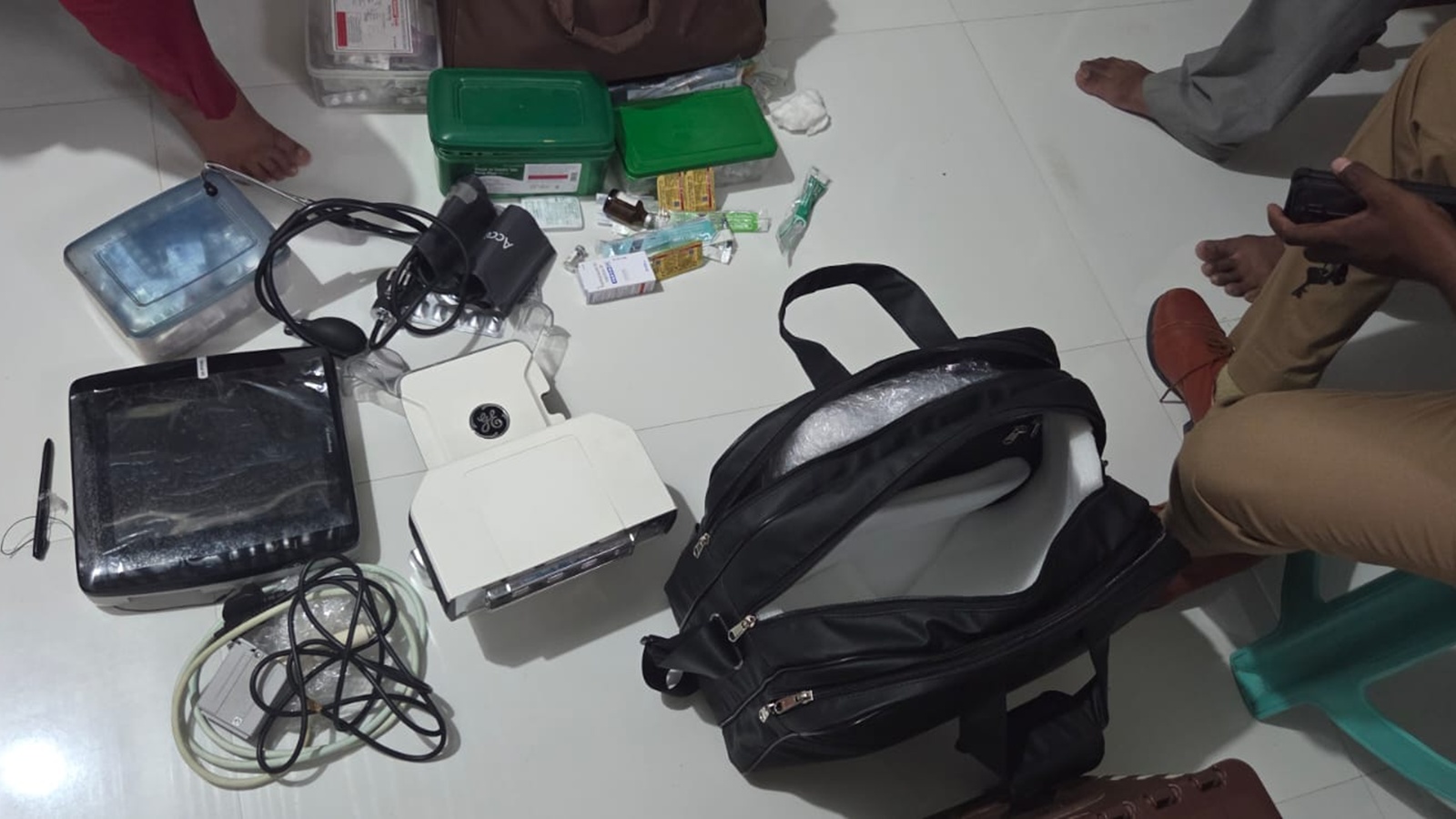
Maharashtra Sex-Selection Racket Moves Underground Amid Enforcement Gaps
Maharashtra Cops Booked Over Alleged Bribe in Attempt-to-Murder Case

Nizamabad Orders Strict Action Against Illegal Gender Tests
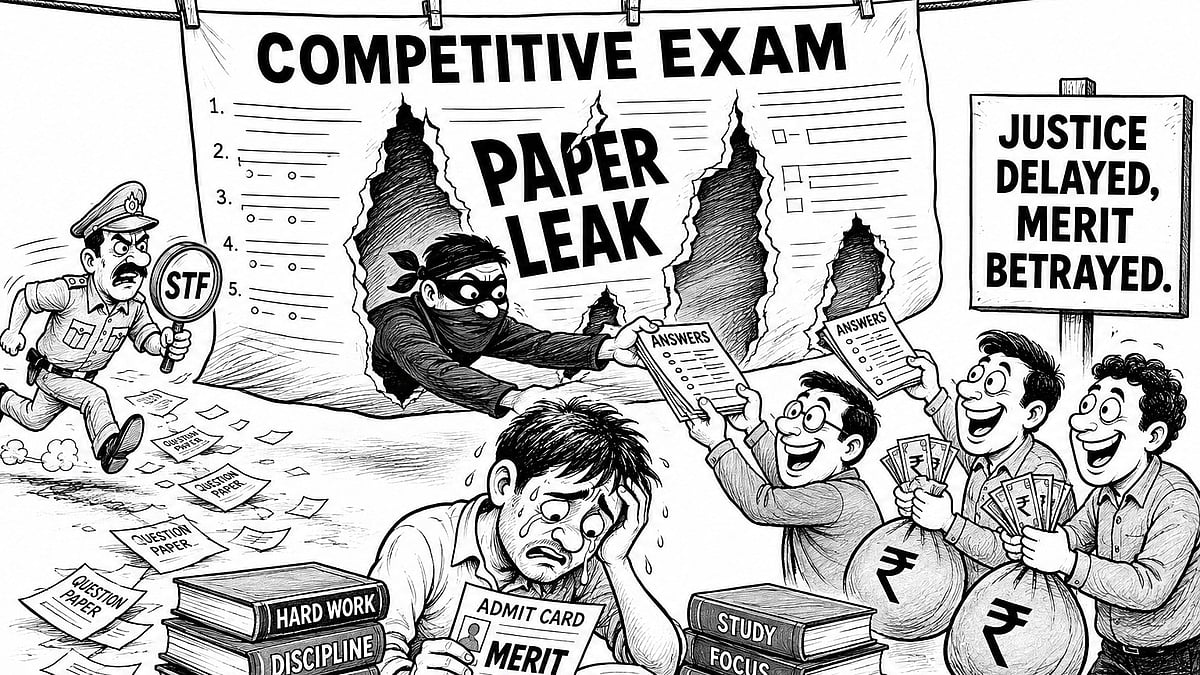
Post NEET Row, MP Police Mulls STF for Paper Leaks

AP Council to Probe Woman’s Death After Alleged Abortion

PUCL Urges CJI Action Over Rajasthan High Court Allegations

Supreme Court Questions IPS Deputation for CAPF Leadership Positions

Supreme Court Quashes 20-Year Conviction, Reaffirms Juvenile Legal Protections
Two Years After RG Kar Doctor's Rape-Murder, Case Remains Unresolved

ED widens Chhattisgarh probes with two arrests and searches