2 hrs ago
How AI Could Help Shift Healthcare Toward Prevention
Healthcare often starts treating a problem after someone feels sick.
AI might help spot signs of health risks earlier.
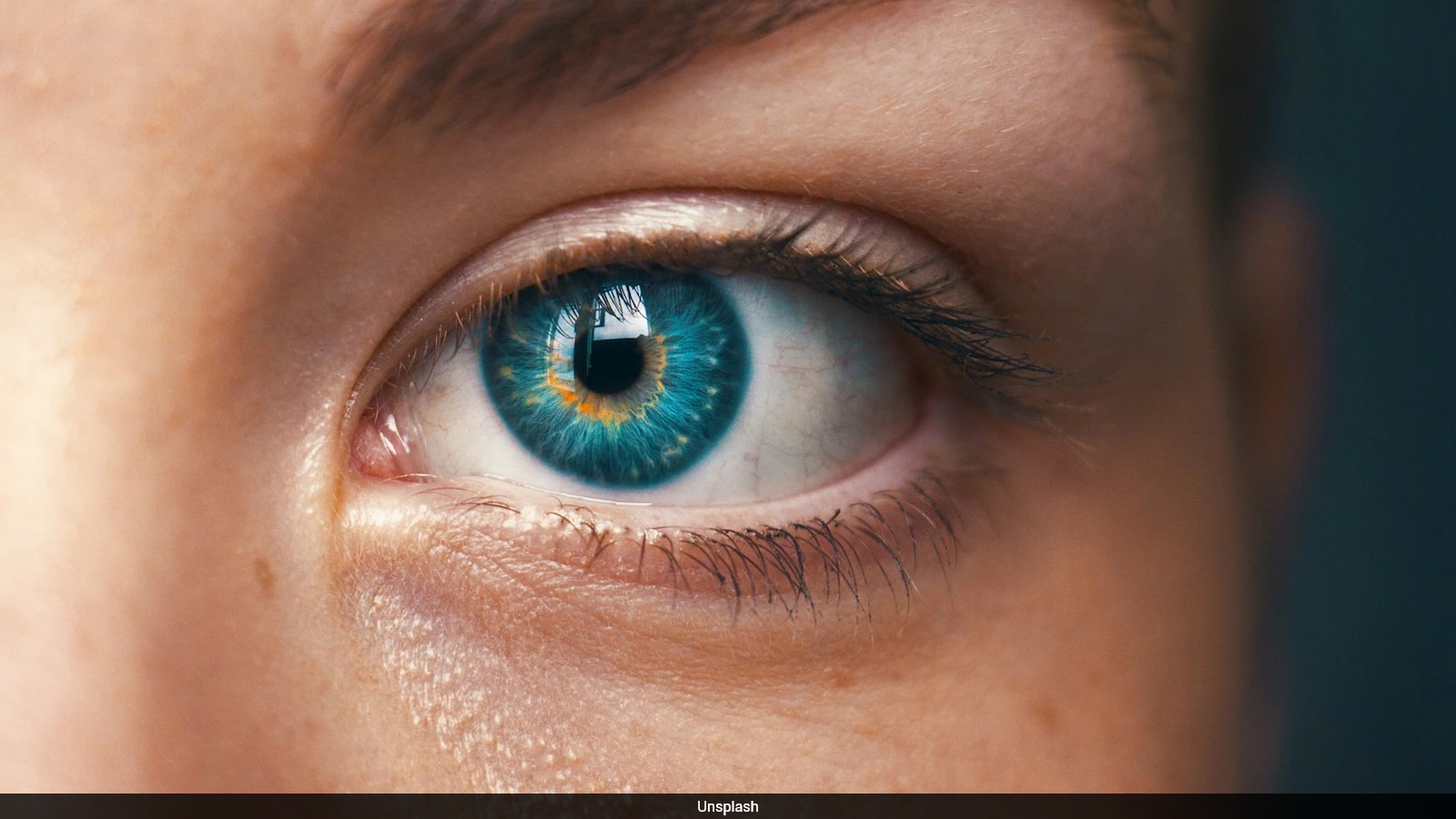
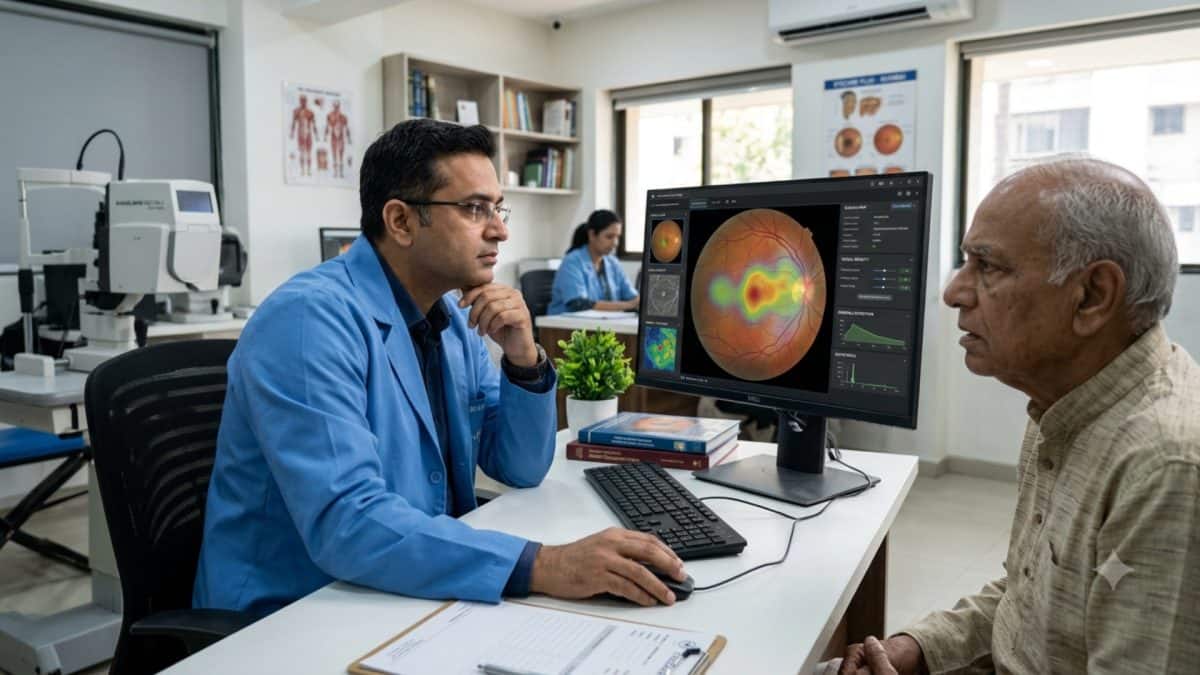
For example, a camera can take a picture of the back of the eye, where tiny blood vessels can be seen.
AI may notice patterns in those pictures that people cannot easily see.
It could also look at information such as test results, medical history and activity from wearable devices.
This might help doctors decide who could benefit from an earlier check-up or other steps.
But an AI warning is not the same as a diagnosis.
Doctors still need to decide what the information means, and the tools must be used carefully to protect privacy and reduce mistakes.

AI is being explored to identify health risks before symptoms become serious.
Retinal images may reveal changes in small blood vessels linked to broader health risks.
AI could combine medical records, lab results, imaging, wearable data and family history to assess risk.
Potential uses include guiding earlier screening, lifestyle changes and medical follow-up.
Experts say AI predictions need clinical interpretation and raise concerns about accuracy, bias and privacy.
- Who
- Healthcare experts Venkatakrishnan S and Dr Chirag Tandon discuss AI's preventive potential.
- What
- AI tools are being explored to identify health risks earlier using retinal images and other health data.
- Where
- The article discusses healthcare generally and does not specify a location.
- When
- The article describes current research and emerging applications, without specifying a date.
- Why
- Earlier risk identification could help guide screening, lifestyle changes and medical follow-up before disease causes significant harm.
Key facts
- Retinal imaging
- The retina's blood vessels can be viewed directly, and changes may offer clues about vascular health.
- Other data considered
- Medical histories, laboratory results, imaging, wearable information, lifestyle patterns and family history.
- Risks discussed
- Diabetes, cardiovascular disease, kidney disease and certain cancers are cited as examples for risk assessment.
- Retinal research areas
- Applications being explored include coronary heart disease, atherosclerosis, neurological and psychiatric disorders, kidney conditions and rheumatoid arthritis.
- Potential use
- Earlier screening, lifestyle changes or medical follow-up for people identified as higher risk.
- Limitations
- AI can produce false positives, miss conditions, or identify patterns whose clinical significance is unclear.
- Expert position
- AI should support doctors, not replace them; clinical expertise is needed to interpret predictions.
Quotes
Venkatakrishnan S
Chief Technology Officer and Head of R&D at Forus Health.
“AI has the potential to help healthcare move from a largely treatment-focused approach towards prevention by identifying health risks before they develop into serious disease.”
 firstpost.com
“The retina is the only place in the human body where blood vessels can be viewed directly, without a single incision.”
firstpost.com
Sources
Related news
Eye Scans Offer Heart Risk Clues, Not Definite Diagnoses

Forus Health, Eyebetes Pilot AI Diabetes Screening at Ganpati Celebrations

India's Heart Story: Prevention Must Become Healthcare's Next Priority

How Smartphone AI Spots Crop Disease From Leaf Photos

AI in Indian Healthcare: Remote Monitoring, ICU Optimization Drive Growth