2 weeks ago
Trump signs memo expanding cyber operations against foreign criminals
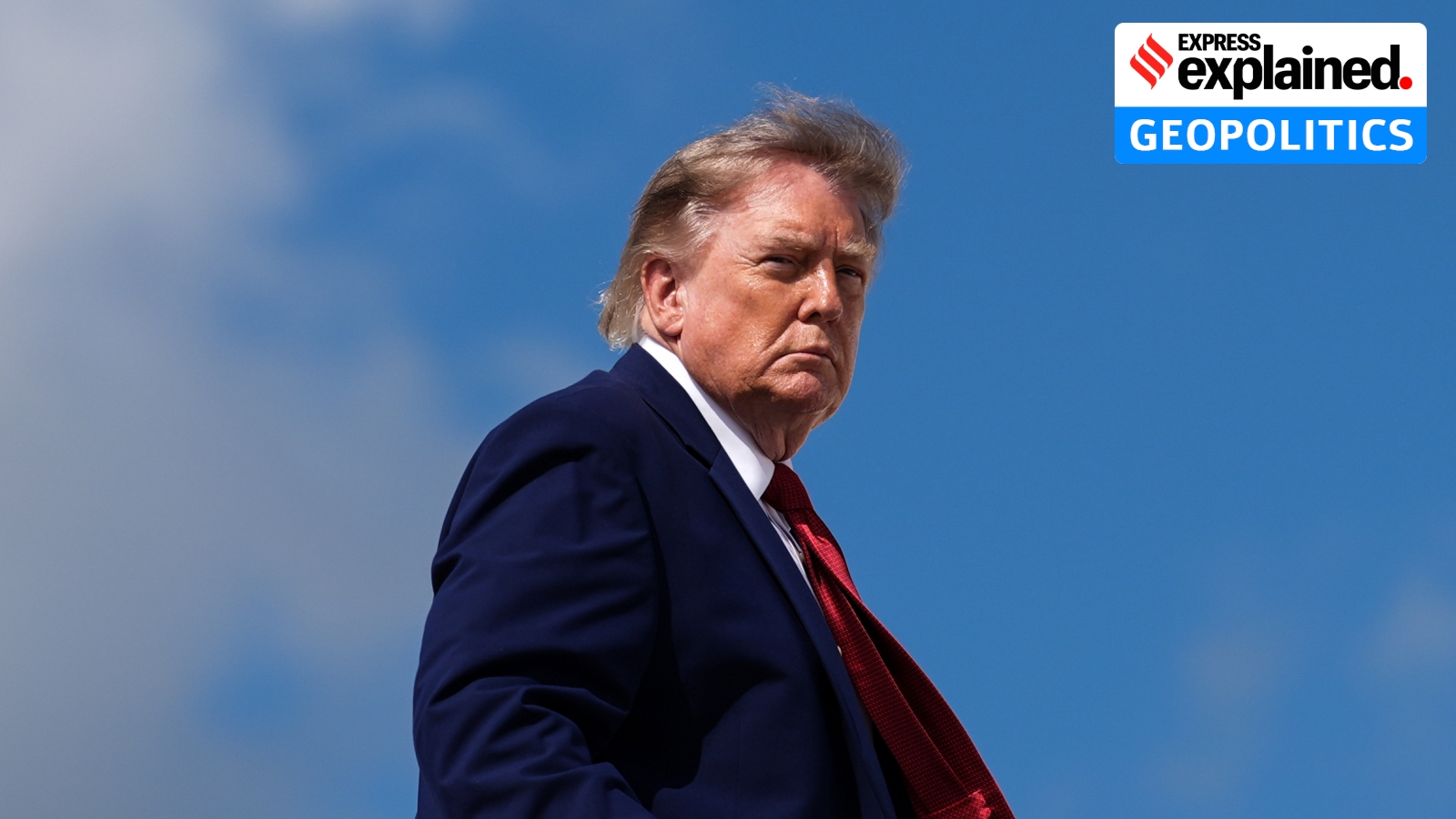
President Donald Trump signed a special government paper called a national security presidential memorandum on Wednesday, August 12.
The paper lets the United States use computer attacks, called cyber operations, against criminal groups that operate in other countries.
These groups hurt Americans through ransomware attacks, financial fraud, and other online crimes.
The memorandum tells the government to use the skills and new ideas of private companies to help with these operations.
Private companies can only act under the direction, control, and authority of the US Government.
Each company must pass safety checks and keep a bond or escrow of at least one million dollars.
The companies can watch criminals or disrupt and disable their computer systems.
The Department of Homeland Security and the Department of Justice will watch over the program together.
Some experts worry these attacks could cause bigger problems or unintended harm, and some note it looks like 'hackers for hire' models the US has criticized China and Russia for using.

President Donald Trump signed a national security presidential memorandum on Wednesday (Aug 12) expanding the government's ability to use cyber operations against foreign-based transnational criminal organizations.
The memorandum directs the administration to leverage the capability and innovation of the private sector for cyber operations under the direction, control, and authority of the US Government.
Vetted private companies may conduct 'cyber surveillance operations' and 'cyber effects operations' against approved targets, including manipulation, disruption, or destruction of information systems.
The Department of Homeland Security, through the Homeland Security Task Force's National Coordination Center, will run a program jointly overseen with the Department of Justice.
Critics warned of escalation, unintended consequences, and coordination challenges, while analysts noted parallels to 'hacker-for-hire' ecosystems the US has criticized in China and Russia.
- Who
- President Donald Trump, the Department of Homeland Security, the Department of Justice, and vetted private US companies
- What
- Signed a national security presidential memorandum expanding the use of cyber operations, including private sector participation, against foreign-based transnational criminal organizations
- Where
- United States
- When
- Wednesday, August 12
- Why
- To help federal law enforcement counter ransomware, financial fraud, and other cyber-enabled crimes committed by foreign criminal networks against Americans
Administration's Position
Critics' Concerns
Private sector participation in cyber operations
Administration's Position
Leveraging vetted private companies' capability and innovation enhances the government's ability to counter TCO threats under federal direction, control, and authority.
Critics' Concerns
Outsourcing cyber operations could increase the risk of escalation, unintended consequences, and coordination challenges across government agencies.
Risk of collateral damage
Administration's Position
Operations target approved criminal organizations under federal supervision, with companies vetted on technical ability, personnel, reliability, and physical security.
Critics' Concerns
Cyber attackers hide behind compromised computers of innocent organizations, making attribution and avoiding collateral damage difficult.
Parallel to state hacker-for-hire models
Administration's Position
The formal, supervised program makes use of underutilized US cybersecurity capabilities to take the fight outside American networks.
Critics' Concerns
The model resembles the 'hacker-for-hire' ecosystems Washington has repeatedly accused China and Russia of using, signaling a shift in US policy.
Key facts
- Document
- National Security Presidential Memorandum
- Signer
- President Donald Trump
- Date signed
- Wednesday, August 12
- Primary target
- Foreign-based transnational criminal organizations (TCOs)
- Covered crimes
- Ransomware, financial fraud, extortion, and other cyber-enabled crimes
- Oversight agencies
- Department of Homeland Security and Department of Justice
- Program operator
- National Coordination Center under the Homeland Security Task Force
- Company requirement
- Vetting checks plus a bond or escrow of at least $1 million
Quotes
United States administration (Trump administration)
Author of the national security presidential memorandum outlining the program
““Cyber effects includes the potential manipulation, disruption, denial, degradation, or destruction of information systems, networks, physical or virtual infrastructure controlled by information systems, or information resident thereon.””
 deccanchronicle.com
 wionews.com
“By partnering with vetted United States companies…we will enhance our ability to counter TCO threats and combat transnational cybercrime, fraud, and other predatory schemes against American citizens,”
 indianexpress.com
Sources
Related news

Trump Gives Private Firms Cyber Weapon Clearance Against Criminal Networks
FBI's Kash Patel expands law enforcement ties with China, Russia

US Disrupts China-Linked Platforms Targeting NASA, Senate, Federal Reserve
US Disrupts China-Linked Hackers Targeting Sensitive Agencies
Lawmakers Urge Trump to Ban Aid to Chinese Security Agencies
US Lawmakers Urge China, Russia Intelligence Work Restrictions

H-1B Grace Period Could End After US Layoffs
US Considers Ending H-4 Spouse Work Permits, Indians Hit Hardest
Trump Administration Tightens Scrutiny of Foreign Student Internships

Trump Administration Tightens Scrutiny of International Student Internships
ICE Awards $16.7 Million Contract for Electric Shock Gloves