1 week ago
Why Heavy Rain Cancels Flights Beyond Visibility Problems
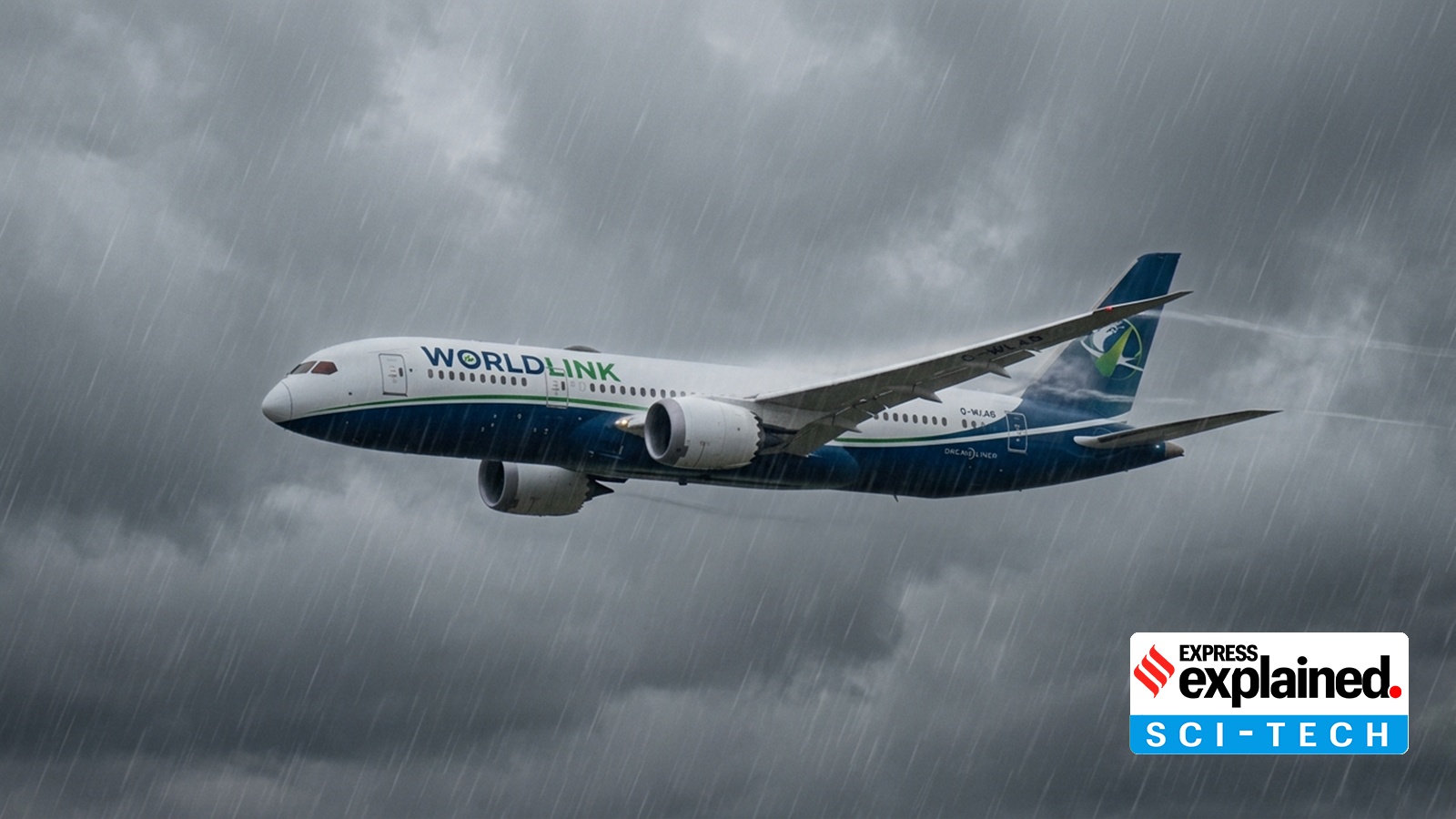
Airplanes can usually fly safely through rain once they are high in the sky.
Rain is more difficult during takeoff and landing because pilots and ground crews need to use the runway safely.
Water can make the runway slippery and make it harder for planes to stop or steer.
Heavy rain can also create puddles that cause hydroplaning.
Storms may bring strong winds, lightning, hail, and sudden changes in wind direction.
These conditions can make takeoffs and landings unsafe or slower.
Special instruments can guide planes toward the runway when pilots cannot see it clearly.
Aircraft are built to handle rain, lightning, and other rough weather.
Flights may still be delayed, cancelled, or diverted when safety limits are reached.

Heavy rain disrupted Delhi flights on Monday, cancelling 26 and diverting 15.
Rain mainly complicates takeoffs and landings by reducing runway visibility and friction.
Standing water can weaken braking and directional control, increasing risks such as hydroplaning.
Thunderstorms may bring wind shear, downbursts, turbulence, hail, lightning, and dangerous crosswinds.
Instrument Landing Systems and CAT procedures help aircraft operate in poor visibility, while trained crews follow safety limits.
- Who
- Airlines, pilots, airport personnel, and passengers were affected; the Federal Aviation Administration and Airports Authority of India are cited for safety guidance and procedures.
- What
- Heavy rain and thunderstorms disrupted flight operations, causing 26 cancellations and 15 diversions, while explaining how weather affects runway operations.
- Where
- Delhi, with general aviation guidance also referencing India and the United States.
- When
- Monday; the articles do not provide a specific date.
- Why
- Heavy rain can reduce runway visibility, braking friction, and directional control, while accompanying storms can produce dangerous winds and other hazards.
Key facts
- Cancellations
- 26 flights were cancelled in Delhi on Monday.
- Diversions
- 15 flights were diverted.
- Main disruption area
- Heavy rain is a greater operational problem during takeoff and landing than during cruise flight.
- Runway risk
- Standing water can reduce braking performance and cause hydroplaning.
- Storm hazards
- Thunderstorms can produce wind shear, downbursts, turbulence, hail, lightning, and strong crosswinds.
- Landing technology
- The Instrument Landing System provides lateral and vertical guidance toward a runway.
- Low-visibility categories
- CAT I, CAT II, and CAT III operations allow progressively lower visibility and decision-height limits.
Quotes

Minneapolis Metropolitan Airports Commission
Airport commission explaining runway alignment and wind effects on aircraft operations.
“Commercial transport passenger planes are hit by lightning an average of one or two times a year. They are designed and built to have conducting paths through the plane to take the lightning strike and conduct the currents.”
 indianexpress.com
“Runways are built to align with historical wind patterns specific to each airport because aircraft land and take off into the wind.”
indianexpress.com
Sources
Related news

Heavy Rain Diverts 15 Delhi-Bound Flights, Airlines Issue Advisories

Delhi Rains Divert 15 Flights as IMD Issues Red Alert

Heavy Rain Floods Delhi-NCR, Disrupting Traffic And Flights
Science and Technology Quiz Covers Aviation, Health and Space

Delhi Faces Heavy Rain for Second Day, Red Alert Issued

Heavy Delhi Rain Causes Waterlogging, Red Alert, Flight Disruptions

Deadly Grand Canyon Floods Threaten Rescue Efforts Amid Storms
Severe Storms Threaten New York, Northeast, Disrupting Travel
Texas, Nevada Wildfires Force Evacuations Amid Dangerous Conditions

Tropical Storm Moke Brings More Rain to Flooded Hawaii