1 day ago
DoT likely clears 5% spectrum charge for satellite internet

The government is deciding how much satellite internet companies should pay to use India’s airwaves.
The likely charge is 5% of the companies’ adjusted gross revenue each year.
Companies may pay 1% less if they connect people in difficult places such as border areas, hills and islands.
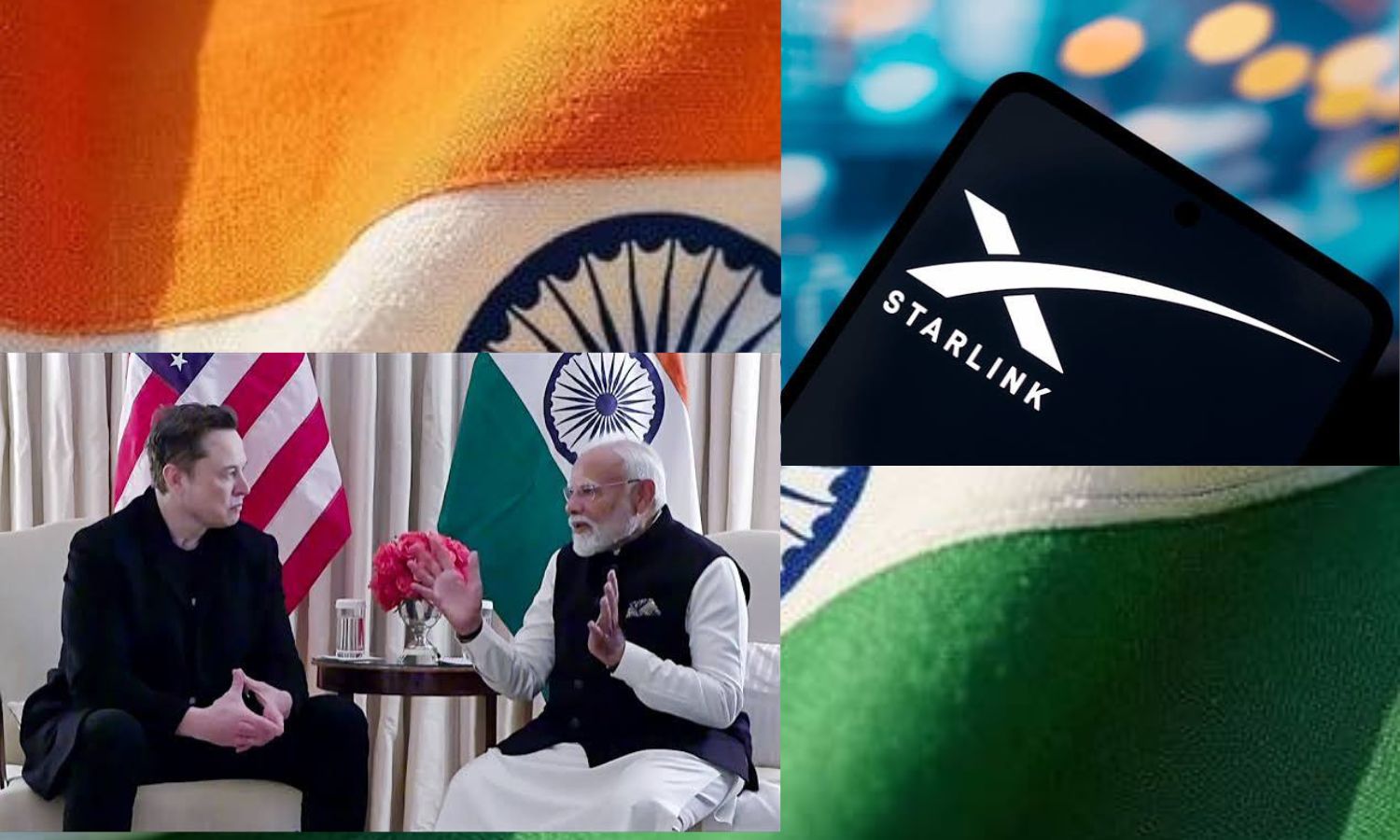
Starlink, OneWeb and Jio Satellite are among the companies affected.
The airwaves would be given without an auction for five years, with a possible two-year extension.
The telecom regulator had suggested extra charges for urban users to encourage rural coverage.
The DoT rejected that approach because separating urban and rural users could be difficult.
The companies will also pay an 8% annual licence fee.

The Department of Telecommunications has likely approved an annual spectrum usage charge of 5% of adjusted gross revenue for satellite internet providers.
Starlink, OneWeb and Jio Satellite may receive a 1% charge discount for serving users in government-notified hard-to-connect areas.
Spectrum is expected to be assigned without auctions for five years, with a possible two-year extension.
The DoT rejected the Telecom Regulatory Authority of India’s proposed ₹500 annual urban subscriber charge and rural terminal subsidy.
Satellite communication operators will also pay an annual licence fee equal to 8% of adjusted gross revenue.
- Who
- The Department of Telecommunications, the Telecom Regulatory Authority of India, and satellite internet providers including Starlink, OneWeb and Jio Satellite.
- What
- The DoT has likely approved a 5% annual spectrum usage charge based on adjusted gross revenue, with a possible 1% discount for service in hard-to-connect areas.
- Where
- India, including government-notified border towns, hilly areas, islands and other remote locations.
- When
- The Digital Communications Commission discussed the relevant recommendations on 2 September; the report does not give a final approval date.
- Why
- To set the cost and terms for satellite spectrum while encouraging connectivity in areas where traditional mobile networks have an advantage gap.
Targeted access incentives
Cost recovery and market safeguards
How to encourage rural coverage
Targeted access incentives
The DoT favors a 1% adjusted-gross-revenue discount for serving users in hard-to-connect areas such as border regions, hills and islands, where satellite services may work better than regular networks.
Cost recovery and market safeguards
The Telecom Regulatory Authority of India proposed a ₹500 annual charge for urban fixed-satellite subscribers to discourage providers from focusing mainly on higher-paying urban users and to encourage rural expansion.
Urban-rural policy implementation
Targeted access incentives
The DoT rejected the per-subscriber urban charge, saying differentiating between rural and urban areas could create implementation challenges.
Cost recovery and market safeguards
Trai said India’s rural-urban distinction is already established in the telecom regulatory framework and could provide a reliable basis for implementation and compliance monitoring.
Appropriate government revenue
Targeted access incentives
The proposed framework includes spectrum and licence charges while using discounts to promote connectivity in difficult locations; the DoT also rejected a proposed subsidy for rural user terminals.
Cost recovery and market safeguards
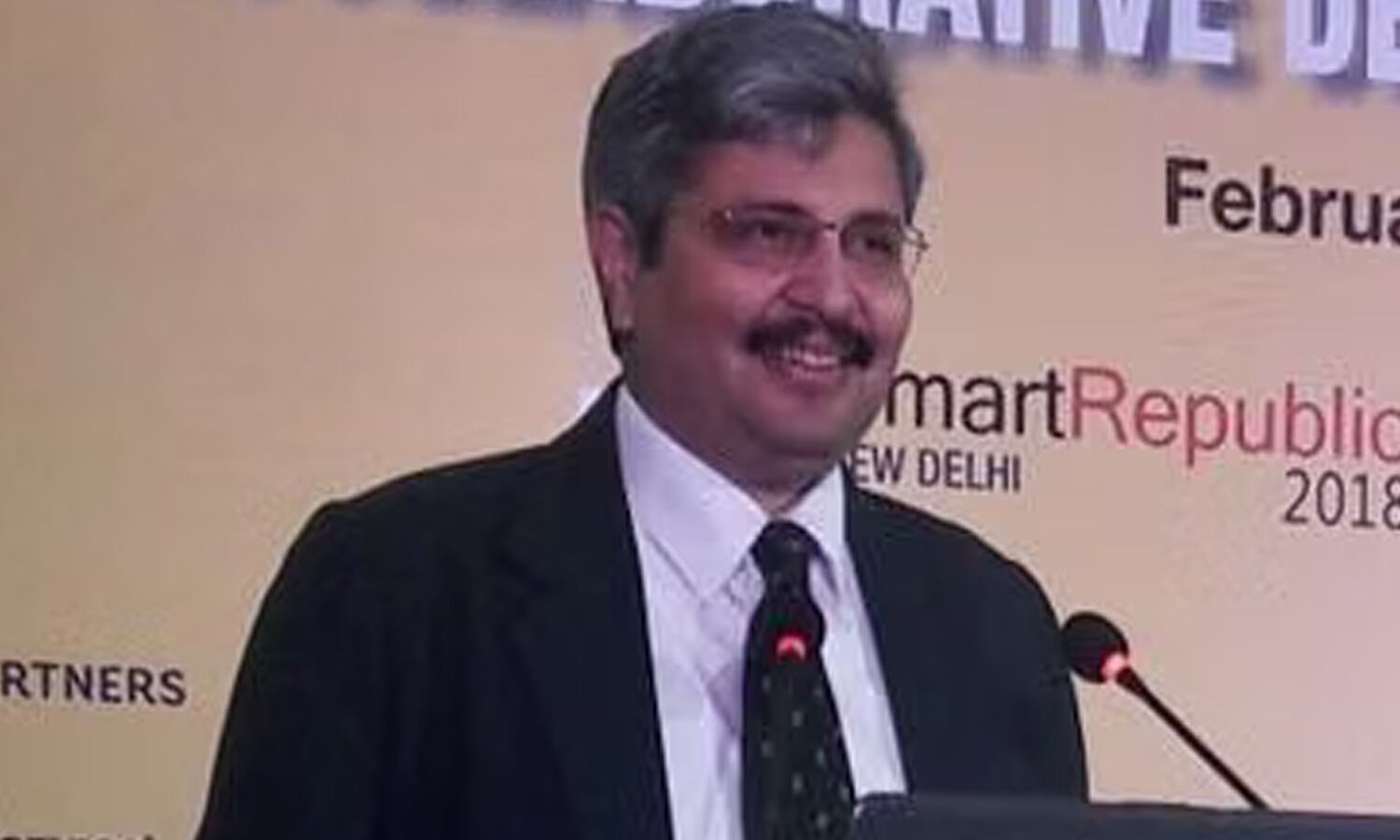
Former Trai principal advisor Satya N. Gupta argued that satellite internet should remain affordable and that the government should recover spectrum-management costs rather than seek profit.
Key facts
- Likely spectrum charge
- 5% of adjusted gross revenue annually
- Possible hard-to-connect-area discount
- 1% less than the standard charge
- Spectrum assignment method
- Non-auction route
- Initial assignment period
- Five years, extendable by two years
- Annual licence fee
- 8% of adjusted gross revenue
- Trai recommendation
- 4% of adjusted gross revenue, with a minimum of ₹3,500 per MHz
- Rejected urban charge
- ₹500 per urban subscriber annually
Quotes
A government official
Government official familiar with the proposed satellite spectrum incentives
“The idea is that the incentives should be based on areas where LEO/MEO (low-Earth orbit/medium-Earth orbit) satellites work better than regular technologies, like border regions, hilly areas, and islands.”
 livemint.com

Telecom Regulatory Authority of India
India’s telecom sector regulator
“Given the relatively higher purchasing power of subscribers in urban areas compared to rural areas and hence the high demand/consumption of data in these regions, it is possible that NGSO (non-geostationary satellite orbit) -based FSS (fixed satellite service) providers may focus more on urban areas. This could potentially undermine the goal of bridging the digital divide in rural and remote areas.”
livemint.com
Satya N. Gupta
Former principal advisor at India’s Telecom Regulatory Authority
“Satellite internet is being projected as a rich users’ service. It does not seem affordable for the common man. The government should normally recover the cost of managing the spectrum. They should not make it a profit-earning thing but only to recover operational expenditure.”
livemint.com
Sources
Related news
India Approves Satellite Spectrum Rules, Clearing Starlink Launch

Musk Backs Starlink to Connect India’s Underserved Rural Communities
Elon Musk Revives Starlink Push for Rural India

Starlink Reapplies for India Approval of Gen 2 Satellite Network

Singtel Seeks India FDI Approval for Satellite Communication Entry

Starlink’s Rural India Promise Faces Security-Related Launch Delays
SOA Ideathon 2026 Showcases Student Innovation and Prototypes

Ashish Joshi Seeks FIR Copy After Nine-Hour Police Questioning

India’s Mumbai Cable Concentration Exposes Its Digital Vulnerability
Ex-Civil Servant Says Police Focused on Earlier Home Ministry Post