

1 week ago
Starlink Reapplies for India Approval of Gen 2 Satellite Network
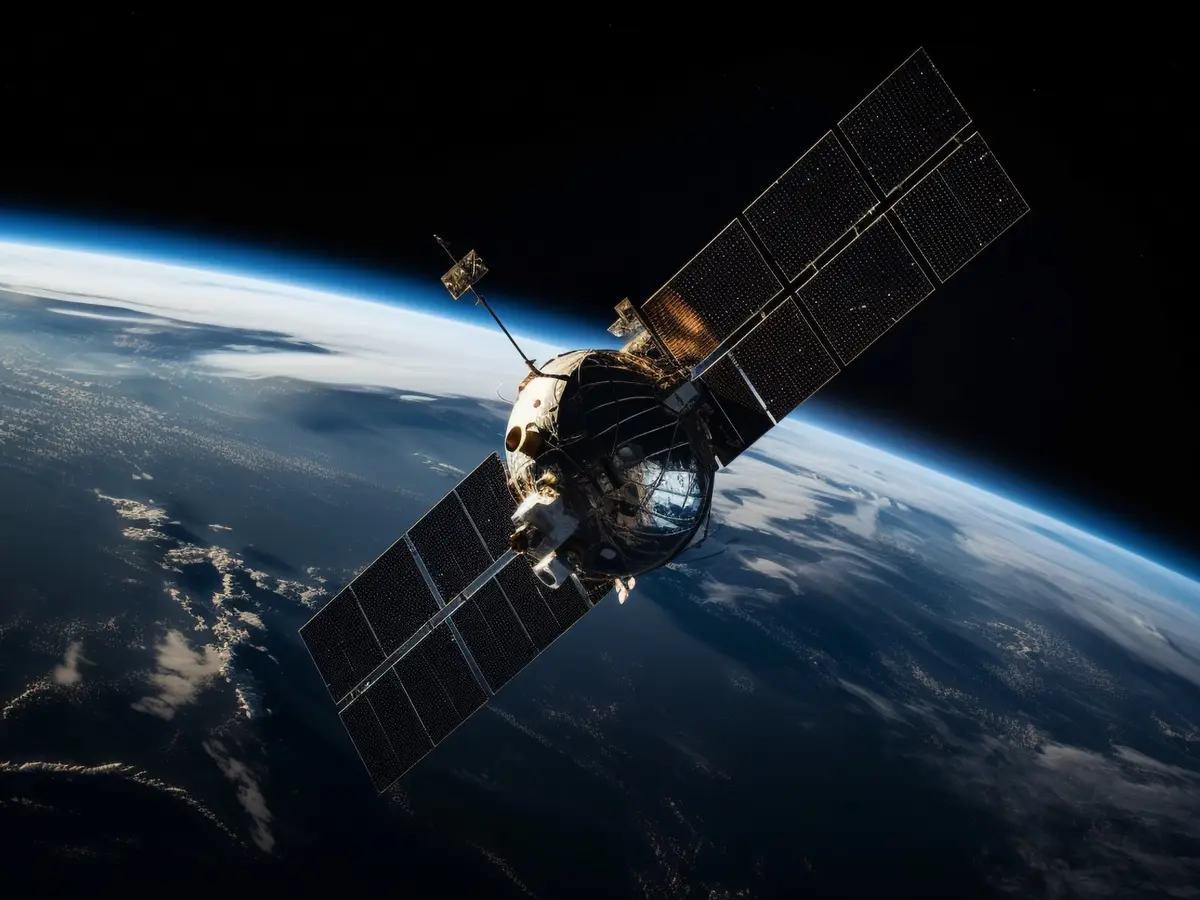
Starlink wants permission to use many more satellites over India.
These satellites would fly around Earth and provide internet and other connections.
The new plan could let some phones connect directly to satellites.
This would help in places where there are no nearby mobile towers.
People would not necessarily need a satellite dish or other special equipment.
India previously rejected Starlink’s larger Gen 2 application because some parts did not meet its requirements.
India approved Starlink’s smaller Gen 1 network in July 2025.
Starlink still needs several government approvals before its services can start.
Other companies are also trying to offer satellite communications in India.

Starlink has reportedly reapplied to IN-SPACe for approval of nearly 30,000 Gen 2 low-Earth-orbit satellites in India.
The proposed constellation would operate about 340 to 615 kilometers above Earth and include direct-to-device connectivity.
Direct-to-device technology could let compatible phones connect through satellites without a dish, dongle or nearby mobile tower.
IN-SPACe rejected Starlink’s earlier Gen 2 application over certain features and spectrum bands, but approved its 4,408-satellite Gen 1 network in July 2025.
Commercial services still require regulatory authorisation, spectrum allocation, security clearances and rules for direct-to-device services.
- Who
- Starlink, operated by SpaceX and owned by Elon Musk, has reportedly reapplied to India’s Indian National Space Promotion and Authorisation Centre (IN-SPACe).
- What
- The company is seeking approval for nearly 30,000 Gen 2 low-Earth-orbit satellites, including proposed direct-to-device connectivity.
- Where
- India, with the proposed satellites operating approximately 340 to 615 kilometers above Earth.
- When
- The renewed application was reported on Thursday; IN-SPACe approved Starlink’s 4,408-satellite Gen 1 constellation in July 2025.
- Why
- Starlink is seeking to expand its satellite communications services and add capabilities that could provide connectivity in areas lacking conventional mobile coverage.
Connectivity and Innovation
Regulatory and Competitive Concerns
Direct-to-device benefits
Connectivity and Innovation
Supporters say direct-to-device connectivity could help people in remote, mountainous and sparsely populated areas where mobile towers or fibre networks are difficult or expensive to build.
Regulatory and Competitive Concerns
Traditional telecom operators argue that satellite companies should face comparable regulatory obligations if they provide mobile connectivity directly to consumers.
Competition with telecom networks
Connectivity and Innovation
A larger constellation could give Starlink greater coverage and capacity and provide another connectivity option in India.
Regulatory and Competitive Concerns
Telecom companies are concerned that satellite operators could compete with conventional networks without facing the same costs and regulatory requirements.
Readiness of services
Connectivity and Innovation
The fresh application could eventually enable satellite broadband and direct-to-device services in areas without normal mobile coverage.
Regulatory and Competitive Concerns
The application does not mean services are imminent because approvals, spectrum decisions, security clearances and final direct-to-device rules remain pending.
Key facts
- Applicant
- Starlink, operated by SpaceX
- Indian regulator
- Indian National Space Promotion and Authorisation Centre (IN-SPACe)
- Proposed Indian Gen 2 constellation
- Nearly 30,000 low-Earth-orbit satellites
- Planned global Gen 2 constellation
- Around 42,000 satellites
- Proposed orbital altitude
- Approximately 340 to 615 kilometers above Earth
- Earlier approval
- IN-SPACe approved Starlink’s 4,408-satellite Gen 1 constellation in July 2025
- Remaining requirements
- IN-SPACe authorisation, spectrum allocation, security clearances and direct-to-device regulations
Quotes
A person familiar with the matter
Unspecified source familiar with Starlink’s application
“"The company has recently applied to get authorisation for its Gen 2 constellation... at an altitude of 340-615 km in low earth orbit (LEO),"”
 livemint.com
 wionews.com
Sources

Elon Musk's Starlink reapplies for India approval of satellite network with direct-to-device connectivity: Report
Elon Musk’s Starlink reapplies for govt approval for satellite network in India: Report

Starlink Reapplies For India's Approval To Launch 30,000-Satellite Gen 2 Constellation
Starlink coming to India? Elon Musk’s satellite giant makes fresh India push
Musk’s Starlink reapplies in India: Could satellites connect directly to your phone?
Related news

Starlink Renews India Bid, Musk Highlights Underserved Rural Regions
Starlink’s Rural India Promise Faces Security-Related Launch Delays

Musk Backs Starlink to Connect India’s Underserved Rural Communities
Elon Musk Revives Starlink Push for Rural India

Starlink’s New India Application Could Bring Direct-to-Device Connectivity

Singtel Seeks India FDI Approval for Satellite Communication Entry

JioPC Becomes Available Across India With Cloud Computing Plans

Delhi High Court Rejects Challenge to C-DOT Emergency Alert Deal

Jio Platforms IPO Clearance Could Revalue Reliance Industries Stake

Mukesh Ambani, Subhash Chandra Dispute Puts Wealth, Debt Under Spotlight
India Doubles 5G EMF Limit to Align With Global Standards
