

3 days ago
Traveling Soon? Build an Emergency Trail Your Family Can Follow

Before a trip, give someone at home a clear record of where you will be.
Include your transport details, hotels, companions, guides, and planned stops.
Tell your family when you expect to check in each day.
Decide how long they should wait if you cannot send a message because there is no signal.
Give them your insurance information and important emergency phone numbers.
Sharing your last known location can help rescuers find a starting point.
Offline maps and a power bank can help when phones or networks stop working.
Backup money and payment methods can help if your wallet or phone is lost.
These steps help your family and authorities respond more quickly during an emergency.

Share a detailed itinerary, travel documents, contacts, and accommodation information with a trusted person before departure.
Agree on check-in times, a grace period for poor reception, and an escalation plan if communication stops.
Keep travel insurance details, emergency numbers, embassy contacts, and local services accessible offline.
Use location sharing, offline maps, protected devices, power banks, and satellite SOS tools where permitted.
Carry backup payment methods and emergency cash, while never sharing sensitive banking credentials such as PINs or OTPs.
- Who
- Travelers, their trusted contacts at home, and authorities or consular officials who may assist during an emergency.
- What
- A travel-safety checklist for leaving an accurate emergency trail before and during a trip.
- Where
- At travel destinations, including remote, storm-hit, or low-connectivity areas such as Nepal and Himachal.
- When
- Before departure and throughout the journey, especially after major route changes.
- Why
- To help families, authorities, hospitals, local administrations, and diplomatic missions locate and assist travelers if communication fails.
Key facts
- Itinerary
- Record flight, train, or vehicle numbers, daily destinations, accommodation, and planned overnight stops.
- Check-ins
- Set a realistic routine and agree on a grace period for areas with poor reception.
- Escalation plan
- Try alternate channels first, then contact the hotel or operator, followed by emergency or consular services if needed.
- Insurance
- Share the provider, policy number, coverage information, evacuation terms, and 24x7 assistance helpline.
- Emergency contacts
- Save local emergency numbers, nearby hospitals and police stations, and the nearest Indian embassy or consulate helpline for international trips.
- Location and connectivity
- Share a recent GPS location, download offline maps, carry a power bank, and consider satellite communication tools where permitted.
- Financial backup
- Carry two payment methods and separate emergency cash, and save bank helpline numbers without sharing PINs or OTPs.
Sources
Related news
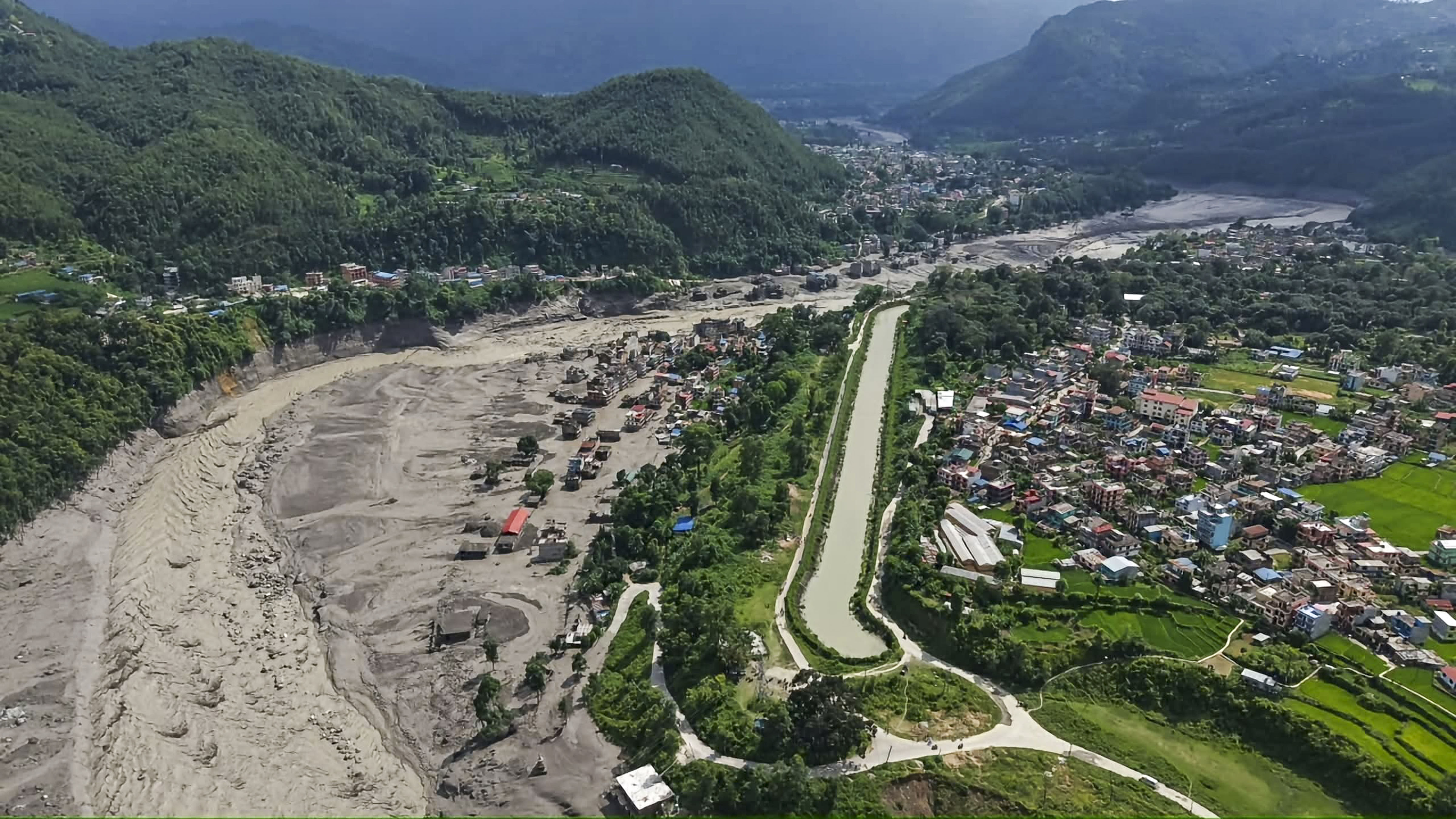
Indian States Activate Helplines After Deadly Nepal Floods

Tamil Nadu Families Await News After Nepal Floods Hit Pilgrims
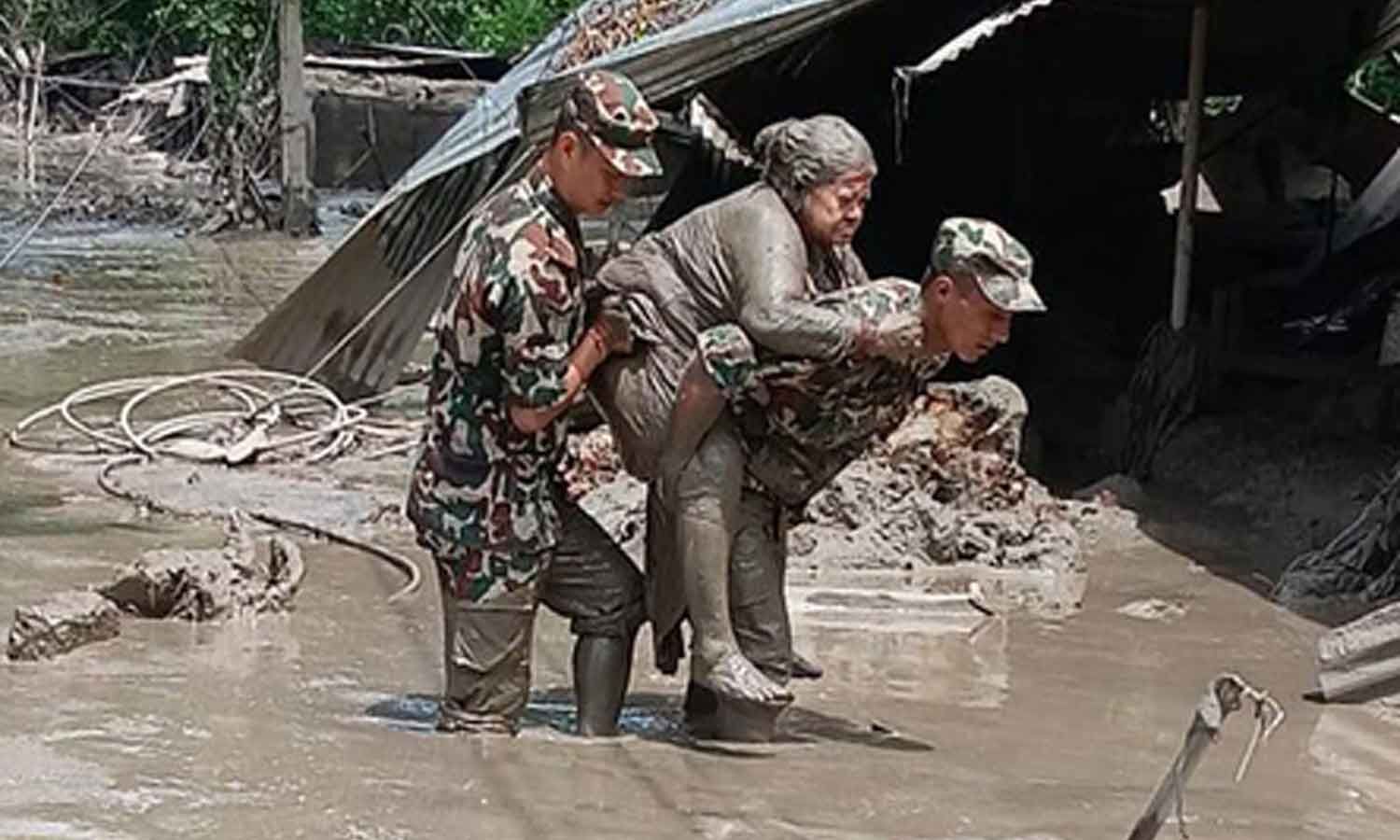
Rajasthan Activates Helplines as 133 Indians Missing in Nepal Floods

Tibet Opens Hotlines for Foreign Nationals Missing After Floods

Nepal Flash Flood Leaves Hundreds Missing, India Issues Emergency Helplines
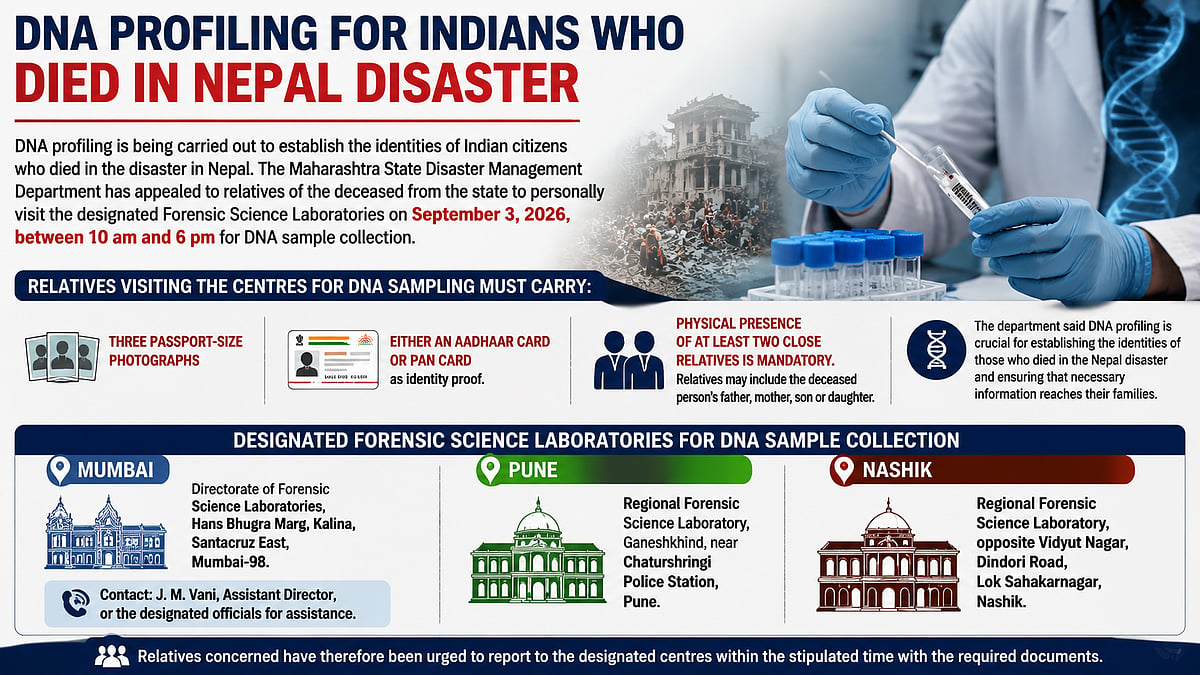
Maharashtra Starts DNA Profiling After Nepal Disaster Deaths
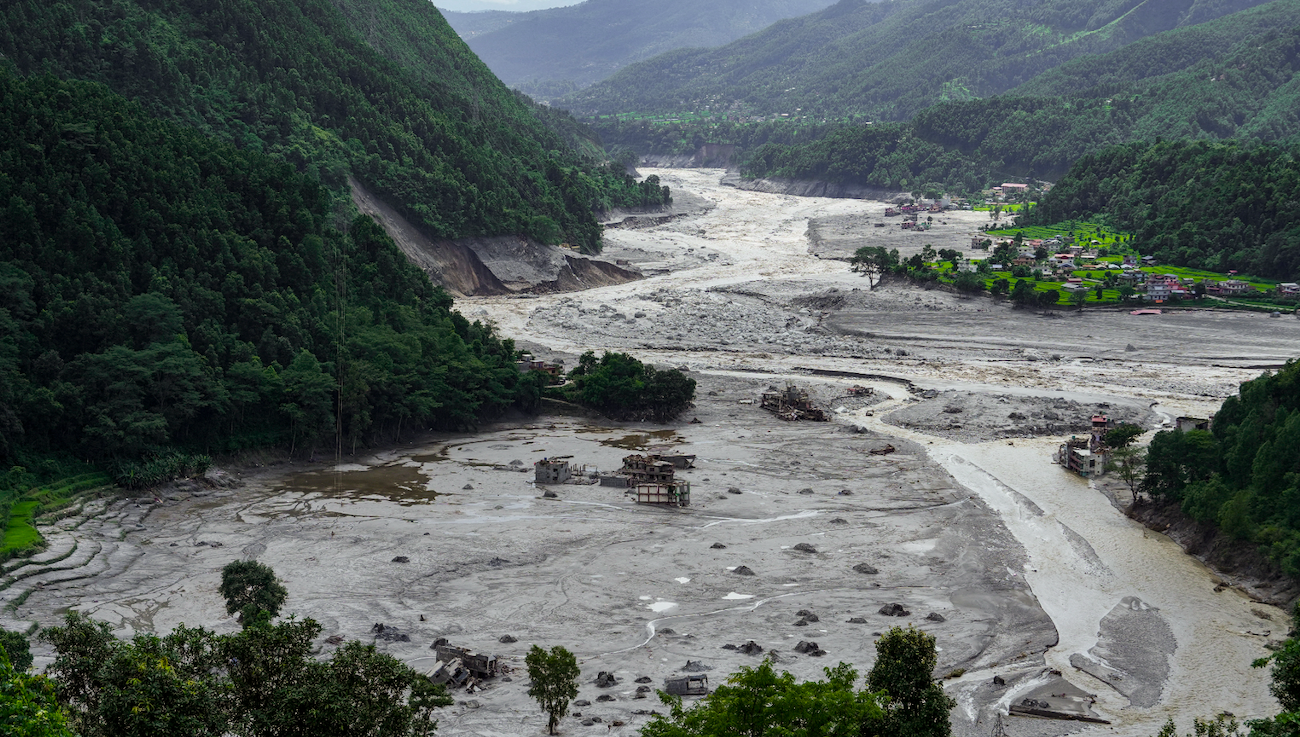
Kailash Flood Tragedy Puts Sadhguru’s Safety Claims Under Fire
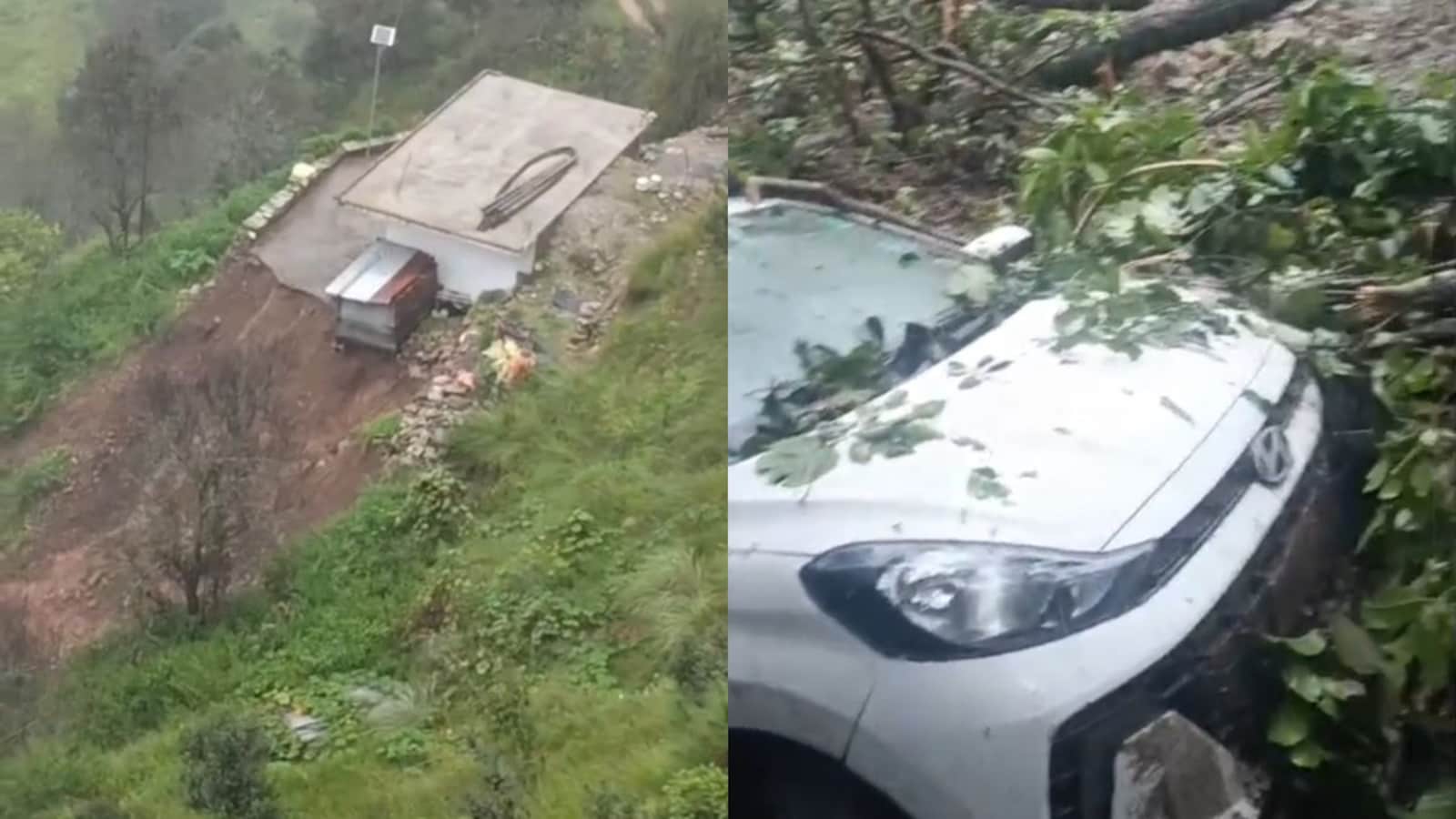
Landslides Threaten Nainital Homes as Uttarakhand Rain Continues

Flash Flood Devastates Nepal's Bhotekoshi River Region

Nepal Families Seek Missing Loved Ones After Deadly Flash Floods
