3 hrs ago
Drone Alert Revives Memories of 1979 Mecca Siege
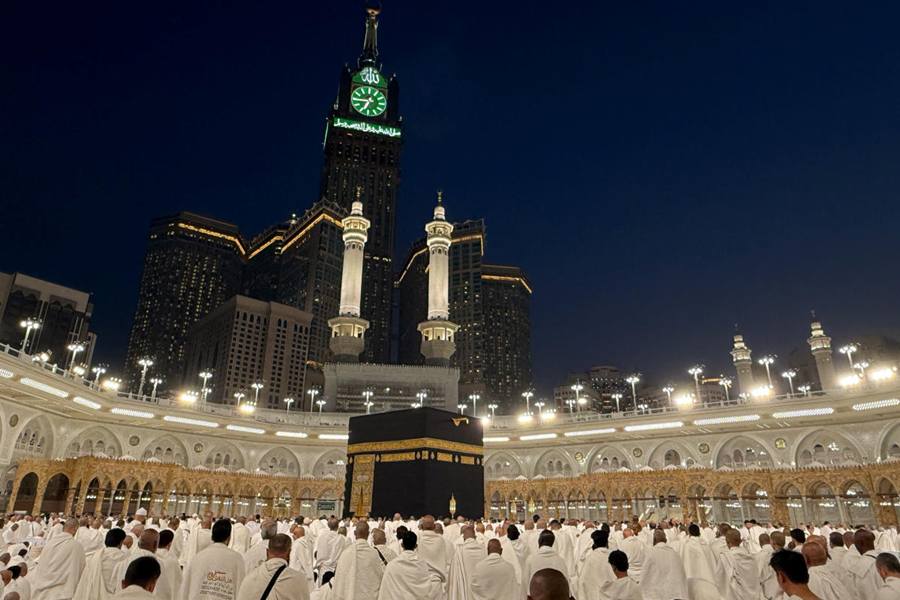
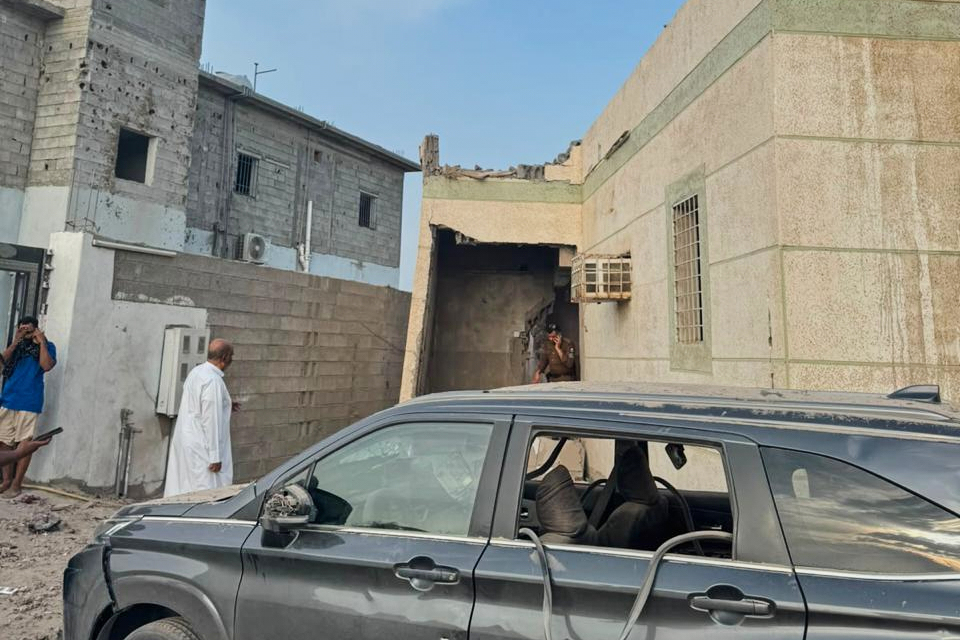
Saudi Arabia said a drone was stopped before it could enter the airspace near Mecca.
The drone was blamed on the Houthis, but a Houthi source rejected that accusation.
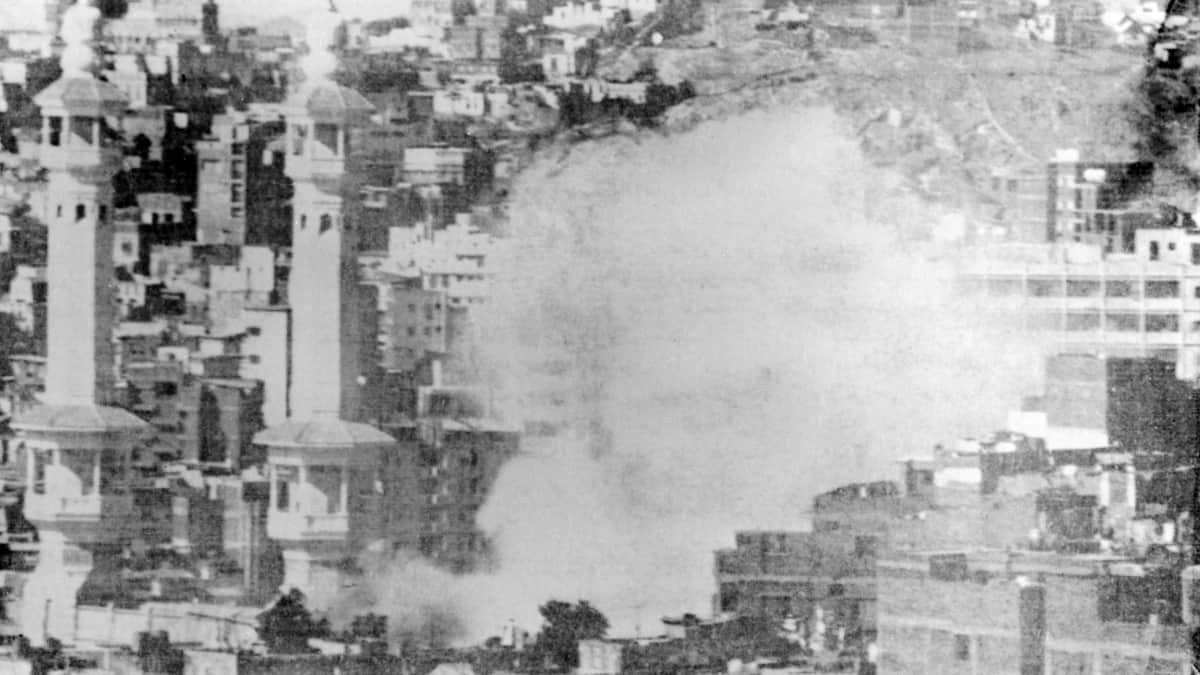
The alert reminded people of a much older event at Mecca’s Grand Mosque.
In 1979, Juhayman al-Utaybi led about 600 armed men in taking over the mosque.
They announced that Juhayman’s brother-in-law was the Mahdi, a divinely guided figure.
Thousands of people were held hostage during the takeover.
Saudi forces fought the group for almost two weeks and eventually forced the remaining rebels to surrender.
Juhayman and 62 other rebels were executed in January 1980.

Saudi Arabia said its air defenses intercepted and destroyed a drone near Mecca on September 15.
The Saudi coalition attributed the drone to the Houthis, while a Houthi source denied threatening Mecca or other holy sites.
On November 20, 1979, Juhayman al-Utaybi and about 600 armed followers seized Mecca’s Grand Mosque.
The rebels held thousands hostage and resisted Saudi forces for nearly two weeks in the mosque’s rooms, cells, and underground passages.
Juhayman and 62 others were publicly executed on January 9, 1980, after the siege ended.
- Who
- Saudi air defenses, the Houthi movement, and, historically, Juhayman al-Utaybi and his armed followers.
- What
- A drone was intercepted near Mecca, reviving memories of the 1979 armed seizure of the Grand Mosque.
- Where
- Near Mecca and at the Grand Mosque in Mecca, Saudi Arabia.
- When
- The drone incident occurred on September 15; the Grand Mosque siege began on November 20, 1979, and ended on December 5, 1979.
- Why
- Saudi Arabia said the drone was a hostile Houthi attack, while the 1979 rebels sought to challenge the Saudi royal family and claimed the arrival of the Mahdi.
Saudi Arabia’s Account
Houthi Denial
Responsibility for the drone
Saudi Arabia’s Account
Saudi Arabia said the drone was launched by the Houthi movement and described it as an attempt to frighten worshipers and harm civilians.
Houthi Denial
A Houthi source categorically denied that Yemen posed a threat to Mecca or any other Islamic holy site and called the Saudi account misinformation.
Security of the holy sites
Saudi Arabia’s Account
Saudi officials said the security of Mecca’s holy sites and pilgrims was a red line.
Houthi Denial
The Houthi source said the movement did not threaten Mecca or other Islamic holy sites.
Key facts
- Drone interception
- Saudi Arabia said its air defenses destroyed the drone at about 6:50 p.m. Saudi time.
- Security alert
- Mecca issued an air or security alert, reportedly for the first time since a Houthi attempt to target the sacred area in 2017; it was lifted after a few minutes.
- 1979 attackers
- About 600 armed men led by Juhayman al-Utaybi seized the Grand Mosque.
- People at the mosque
- An estimated 50,000 worshipers were present for morning prayers when the takeover began.
- Siege duration
- The confrontation continued for nearly two weeks and ended with a surrender on December 5, 1979.
- Executions
- Juhayman and 62 others were publicly executed on January 9, 1980.
Quotes

Juhayman al-Utaybi
Saudi preacher and leader of the 1979 Grand Mosque seizure
“The Royal Saudi Air Defense Forces intercepted and destroyed a hostile drone launched by the Terrorist Houthi Militia before it entered the prohibited airspace of the Holy City of ‘Makkah Al-Mukarramah’.”
 firstpost.com
“Fellow Muslims, we announce today the coming of the Mahdi… who shall reign with justice and fairness on Earth after it has been filled with injustice and oppression.”
firstpost.com
Sources
Related news
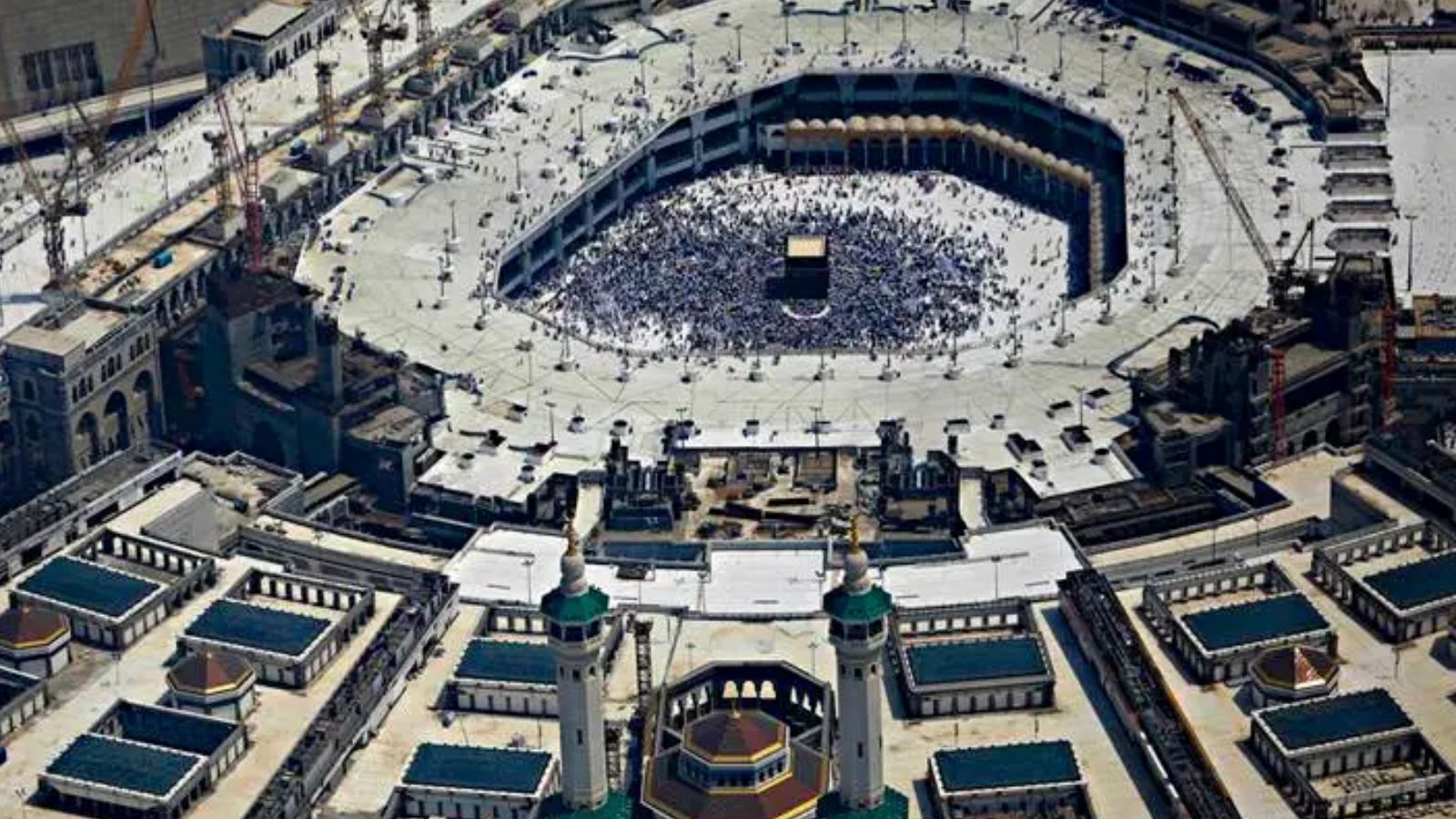
Saudi Arabia Reports Houthi Drone Intercept Near Mecca Amid Alerts
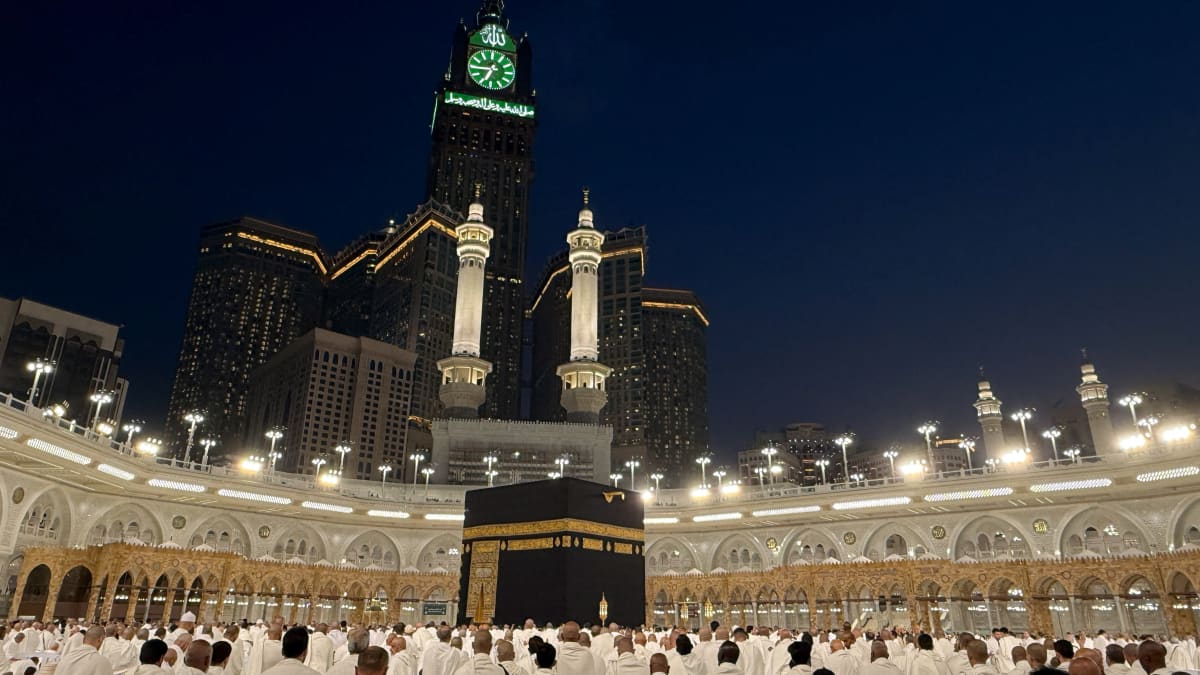
First Mecca Air Alert Follows Disputed Houthi Drone Interception
Saudi Arabia Accuses Houthis of Targeting Mecca With Drone

Houthi Drone Near Mecca Tests Saudi-Pakistan Defense Pact
Mecca Receives First Air-Raid Alert as Houthis Target Saudi Arabia

AQIS Expands Digital Recruitment While Rebuilding Afghan Bases

Female Solo Traveller Asks Pakistani Cop About Bin Laden Compound
CIA Documents Say Bin Laden Considered Attacking India Before 9/11

Al Qaeda Revives Bin Laden Brand to Reclaim Lost Ground