2 weeks ago
Air India Phuket-Delhi flight incident raises aviation safety questions

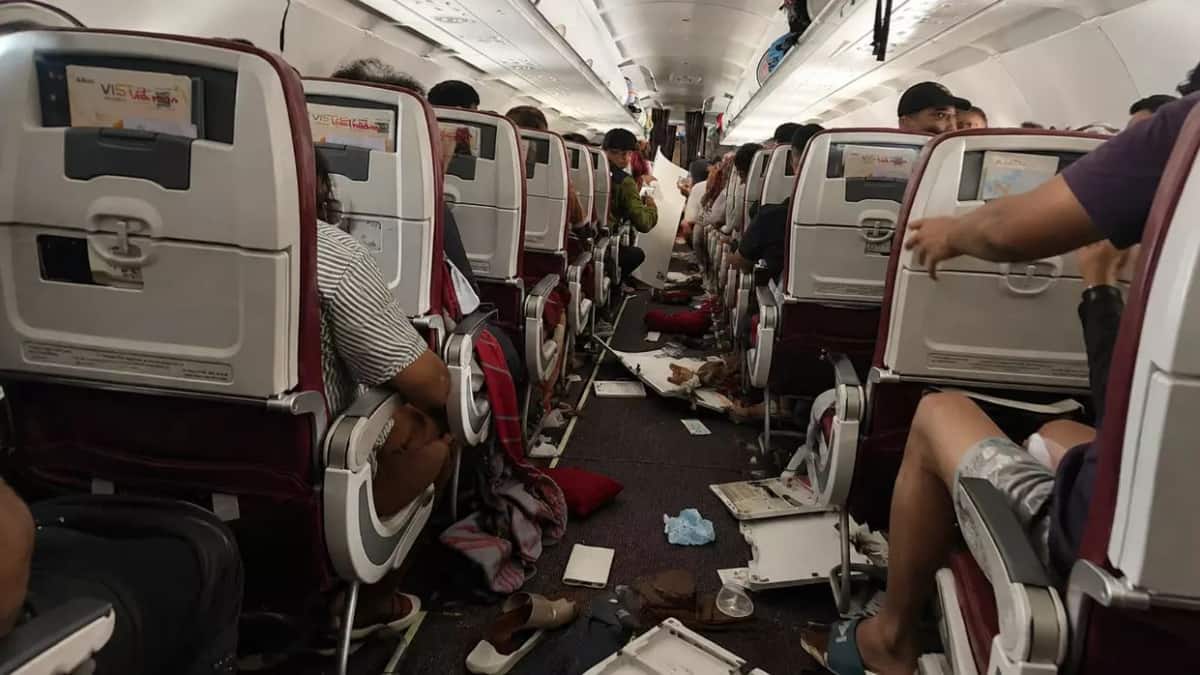
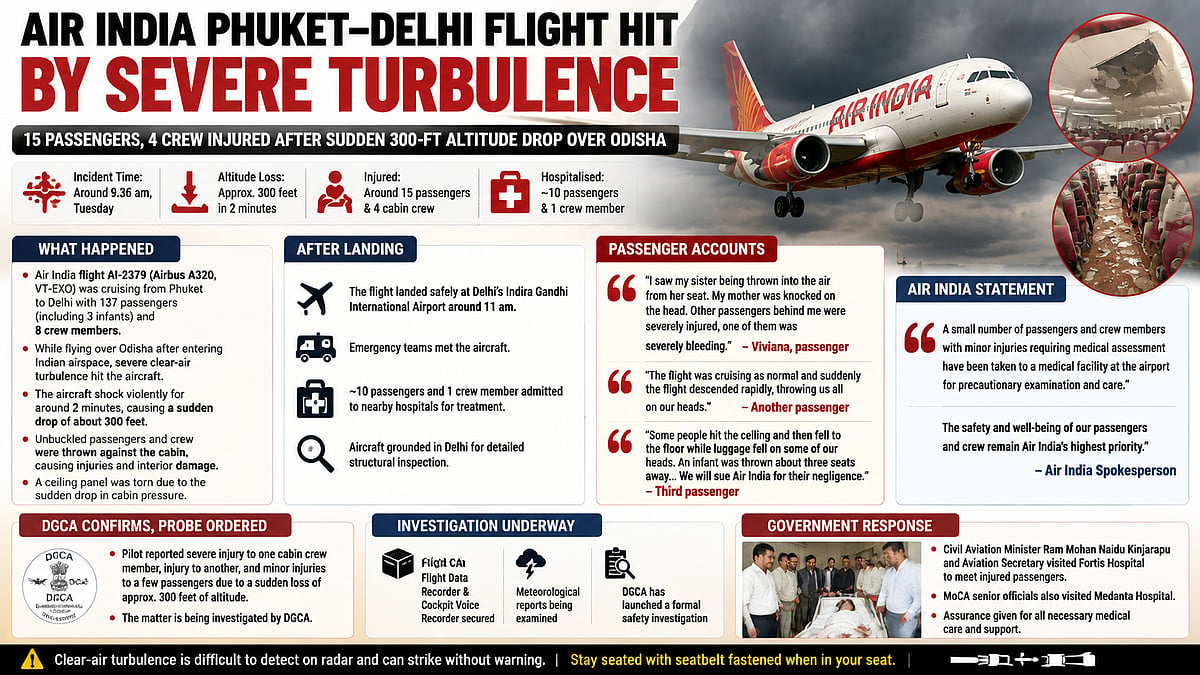
An airplane flying from Phuket to Delhi suddenly dropped about 300 feet in the sky, and 24 people got hurt.
The plane is called an Airbus A320neo.
After the flight, experts found that the plane's hydraulic system, which helps control the plane, lost pressure for a few seconds.
The plane also showed nine warning messages in about one minute.
The pilot tested positive for a drug called marijuana, but we do not know if that caused the drop.
The airline, Air India, decided to test all its pilots for drugs, which is more than the law requires.
The incident makes people think about how safe flying is.
Safety means having many backup systems so that if one thing fails, the plane is still safe.
The investigation is still going on to find out exactly what happened.
The airline needs to show that safety is not just rules on paper, but something that really works.

On August 4, an Air India Airbus A320neo lost around 300 feet in altitude, injuring 24 passengers and crew members.
Airbus preliminary analysis indicated a temporary loss of hydraulic pressure across all three hydraulic systems, leaving key flight controls unresponsive for about four seconds.
A post-flight fault log revealed nine warnings within roughly a minute, involving hydraulic systems, flight controls, and the autopilot.
The captain tested positive for marijuana in a confirmatory test, though no causal link to the altitude loss has been established.
Air India ordered substance screening for all its pilots, going beyond the regulatory requirement for random testing of a portion of flight crew.
- Who
- Air India, its pilots, passengers and crew, Airbus, and the Aircraft Accident Investigation Bureau
- What
- An Airbus A320neo lost about 300 feet in altitude, injuring 24 people, with hydraulic pressure loss and a pilot testing positive for marijuana
- Where
- On a Phuket-Delhi flight
- When
- August 4
- Why
- The incident raises questions about whether aviation safety systems were strong enough to prevent a single failure from becoming a catastrophe
Safety and Oversight
Privacy and Fairness
Pilot drug testing
Safety and Oversight
The cockpit is not an ordinary workplace; robust disclosure, testing, and intervention mechanisms are essential because a pilot's responsibility extends to hundreds of lives.
Privacy and Fairness
Substance use, fatigue, and medication involve both safety and individual privacy, and safety systems should not depend primarily on random checks after an incident.
Key facts
- Airline
- Air India
- Aircraft
- Airbus A320neo
- Route
- Phuket-Delhi
- Date
- August 4
- Altitude loss
- Around 300 feet
- Injuries
- 24 passengers and crew members
- Hydraulic failure
- Temporary loss across all three hydraulic systems for about four seconds
- Pilot drug test
- Captain tested positive for marijuana in confirmatory test
Sources
Related news

Air India Safety Crisis Widens After AI2379 Control Loss
Air India A320 Lost 300 Feet After Triple Hydraulic Failures

Air India Phuket-Delhi flight logged nine warnings before altitude drop

Air India Flight Lost 300 Feet After Triple Hydraulic Failure

Air India Pilot Tests Positive for Marijuana After 300-Foot Flight Drop
Air India Flight Mid-Air Drop: Pilot Body Cites Hydraulic Failures

Pilots Warn Senior Attrition Could Challenge Air India Safety

Air India Express Passenger Arrested After Allegedly Hiding Drugs

New Phuket Resort Offers Luxury Escape From Crowds

India Considers Year-Round Drug Tests for Commercial Pilots

Phuket Shopkeeper Confronts Israeli Tourists, Chants ‘Free Palestine’