

2 weeks ago
Air India Safety Crisis Widens After AI2379 Control Loss

A big airplane from Air India was flying from Phuket to New Delhi when something went wrong.
Some important parts called hydraulic systems stopped working, one after another.
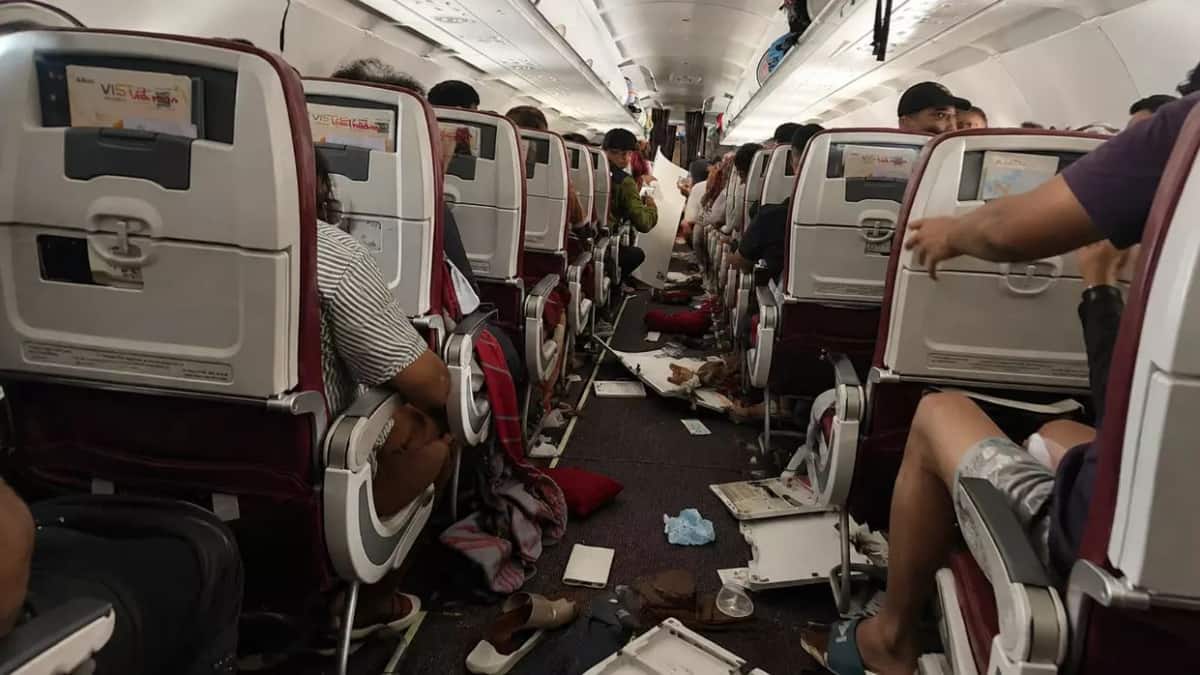
Because of that, the pilots briefly could not control the plane, and it dropped 300 feet in the air.
Most people on board were safe, but 13 passengers and 4 crew members got hurt.
At first, Air India said it was just turbulence, like a bumpy road in the sky.
But the people who check safety in India said it was a serious incident, not just weather.
The plane's data showed three hydraulic systems failed within seconds of each other.
This was not the first problem: safety inspectors found repeated faults on many Air India planes over more than a year.
They also found that one pilot failed a test for a drug called marijuana, so Air India is now drug-testing more than 5,000 pilots.
Many people think Air India needs to fix its safety problems quickly so flying stays safe for everyone.

Air India flight AI2379, an Airbus A320neo flying from Phuket to New Delhi, dropped 300 feet on August 4 after three hydraulic system failures caused flight controls to be lost for about 4 seconds.
The Ministry of Civil Aviation classified the event as a serious incident, while Air India initially dismissed it as turbulence.
Between January 2025 and February 2026, DGCA inspections found repeated technical defects on 137 of 166 Air India aircraft, with multiple unresolved notices on training and compliance.
One of the two pilots was reportedly not at the controls and failed a confirmatory marijuana test, prompting Air India to order drug tests for more than 5,000 pilots.
Thirteen passengers and four crew were injured, and no ambulance or senior staff were waiting when the flight landed in New Delhi; regulators had also warned the airline about expired emergency equipment just before a June crash near Ahmedabad that killed 260 people.
- Who
- Air India, its flight crew, and India's civil aviation regulators – the Directorate General of Civil Aviation and the Ministry of Civil Aviation.
- What
- Flight AI2379 lost flight controls after multiple hydraulic system failures and dropped 300 feet, prompting regulators to flag wider safety problems at Air India.
- Where
- En route from Phuket to New Delhi, India.
- When
- On August 4, with earlier incidents and regulator warnings recorded between January 2025 and February 2026.
- Why
- Regulators say recurring technical defects, training lapses, and compliance problems continued despite repeated warnings.
Regulators and safety critics
Air India
What caused the altitude drop
Regulators and safety critics
Decoded flight data showed three hydraulic system failures within seconds, with elevators and aileron surfaces lost for about 4 seconds; the Ministry of Civil Aviation called it a serious incident of sudden loss of altitude.
Air India
Air India initially dismissed the event as turbulence, describing it as an act of God and ruling out any system malfunction.
Who bears responsibility for the safety crisis
Regulators and safety critics
The article argues the repeated defects, training lapses, and missed warnings make the crisis a failure of all the bodies overseeing Air India, not just Tata.
Air India
Air India's management is responsible for its own operations and must fix compliance, crew planning, and training issues.
Key facts
- Flight
- AI2379
- Aircraft
- Airbus A320neo
- Route
- Phuket to New Delhi
- Incident date
- August 4
- Altitude drop
- 300 feet
- Injuries
- 13 passengers and 4 crew members
- DGCA inspections (Jan 2025 – Feb 2026)
- 166 aircraft checked; repeated defects on 137
- Pilot drug tests ordered
- More than 5,000 pilots
Sources
Related news
Air India A320 Lost 300 Feet After Triple Hydraulic Failures

Air India Phuket-Delhi flight logged nine warnings before altitude drop

Air India Flight Lost 300 Feet After Triple Hydraulic Failure

Air India Phuket-Delhi flight incident raises aviation safety questions

Balurghat Airport Set to Begin Operations Within One Year

Aviation Ministry Plans Automated Airport Building Clearance System

Maharashtra Offers Airline Aid for Sindhudurg-Navi Mumbai Flights

Ahmedabad Airport Launches Hub-and-Spoke Model for Smoother International Travel

Aviation Ministry Orders Airline Audits Ahead Of FAA Assessment
