1 hr ago
Bhungroo Helps Gujarat Farmers Store Monsoon Rain Underground

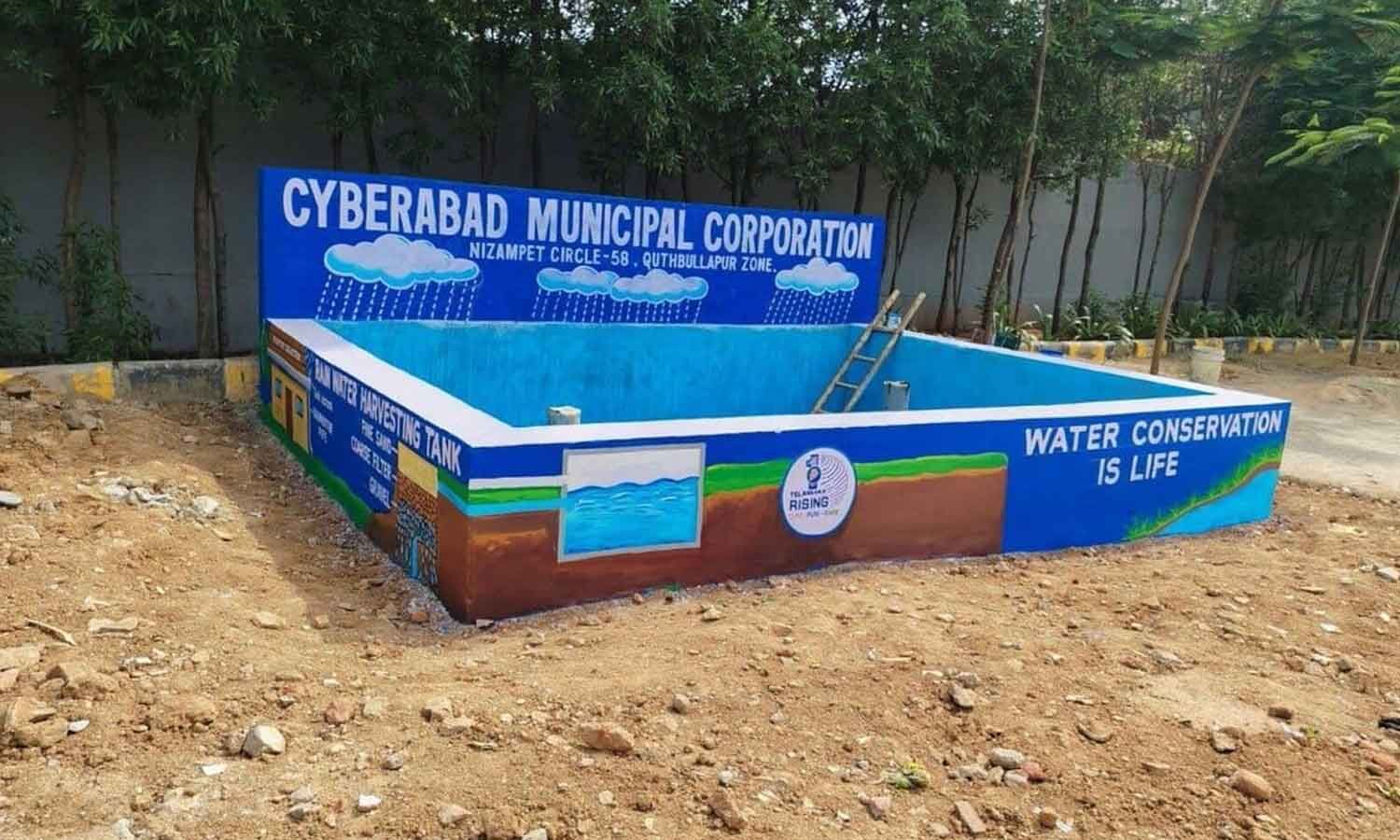
Bhungroo is a way for farmers to save extra rainwater.
During the monsoon, too much water can flood fields and damage crops.
The system collects this water in a small pit and sends it deep underground.
The water stays there until the dry months arrive.
Farmers can then pump it up to water their crops.
Each system is designed differently because every farm has different soil and underground water.
Groups of five women farmers can share one system and its water.
This can help families grow more crops, earn money and avoid moving away for work.

Bhungroo redirects excess monsoon water underground for use during the dry season.
Biplab Ketan Paul developed the system in Gujarat after observing flooding and water scarcity.
The system filters water through a collection pit and sends it through pipes that can reach about 100 metres underground.
Each unit is designed according to local soil, rainfall and aquifer conditions, with women farmers helping manage the system.
Bhungroo has expanded beyond Gujarat to other Indian states, Bangladesh, Ghana and Vietnam.
- Who
- Biplab Ketan Paul developed Bhungroo with engineers and local women farmers; Naireeta Services, founded by Trupti Jain, has supported its implementation.
- What
- Bhungroo is a rainwater filtration and underground storage system that allows farmers to reuse excess monsoon water for irrigation.
- Where
- The system began in Gujarat and has also been implemented in other Indian states, Bangladesh, Ghana and Vietnam.
- When
- The first version was ready in 2004; the system received World Bank India Development Marketplace recognition in 2007.
- Why
- It was developed to address the cycle of monsoon waterlogging followed by dry-season water scarcity and limited irrigation access.
Key facts
- System name
- Bhungroo, a Gujarati term referring to a hollow pipe
- Development location
- Gujarat, India
- First version
- Completed in 2004 after experimentation and trial and error
- Underground depth
- Pipes can reach around 100 metres
- Management model
- Five women farmers can form a group and share stored water
- Reported benefits
- Reduced waterlogging and evaporation, plus irrigation during dry months
- International recognition
- World Bank India Development Marketplace recognition in 2007 and a later UN Momentum for Change award
Sources
Related news

Gurgaon Pitches Underground Wells and Tanks to Fight Flooding
Bundelkhand Farm Ponds Struggle as Weak Monsoon Threatens Crops

Water Hero Urges Bengaluru Homes To Harvest Rainwater
Cyberabad Explores Sponge Systems to Reduce Rainwater Waterlogging

Collector launches community water sharing initiative in Nallamada