

2 days ago
Meta Child Safety Settlement Could Reshape Social Media Responsibility
Meta has agreed to settle a case brought by U.S. states about how Facebook and Instagram affect children.
It may pay up to about $17–18 billion and add new safety rules for users under 18.
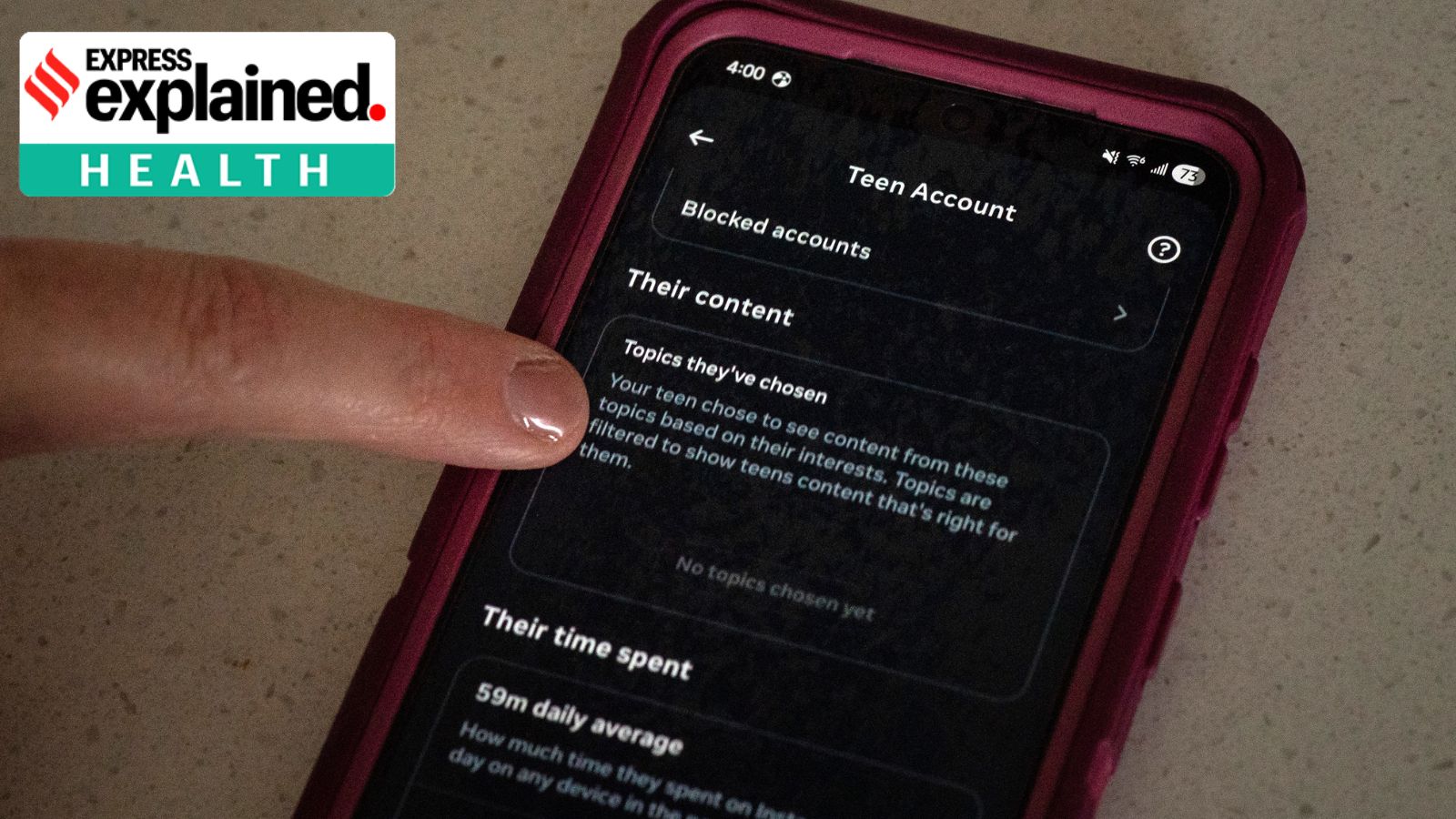
These rules include limits on daily use, nighttime blocking and stronger parental controls.
The agreement also aims to reduce harmful content and improve age checks.
The case argued that Meta’s apps were designed to keep children using them for long periods.
Some children may experience problems with attention, sleep, mood or relationships when digital use becomes compulsive.
Social media can also expose children to harmful or unsuitable material.
However, technology can help children learn, communicate and be creative.
The settlement could make technology companies share more responsibility for children’s online safety instead of leaving it mainly to parents.

Meta agreed to pay up to approximately $17–18 billion to settle a landmark case brought by U.S. states.
The agreement includes a default two-hour daily limit and blocks access from midnight to 6 a.m. for under-18 users.
Other measures include stronger age assurance, parental controls, muted school-hour notifications and tighter harmful-content restrictions.
The case alleged that Meta encouraged compulsive use and mishandled children’s data; Meta did not admit wrongdoing.
Experts cited in the article say digital platforms can harm vulnerable children, but technology also supports education, creativity and connection.
- Who
- Meta and U.S. state governments are parties to the settlement; children and teenagers are the users most directly affected.
- What
- Meta agreed to settle a case concerning Facebook and Instagram’s alleged effects on children, including alleged compulsive use and mishandling of children’s data.
- Where
- The case was brought in the United States and concerns Meta’s social-media platforms.
- When
- The article does not specify when the settlement was reached; it references a 2026 meta-analysis of social-media research.
- Why
- The settlement aims to address alleged harms to children and introduce protections for under-18 users.
Platform accountability
Technology’s benefits and limits
Who should protect children online?
Platform accountability
The settlement supports placing more responsibility on platforms because their engagement-focused designs, notifications and recommendation systems can be difficult for families to control.
Technology’s benefits and limits
Parents, schools, governments and companies all have roles; the article says families and institutions should continue setting rules and teaching digital literacy.
Are the settlement measures sufficient?
Platform accountability
Limits, nighttime blocks, age assurance and parental controls are useful steps toward safer default settings for children.
Technology’s benefits and limits
Critics question whether the measures go far enough, particularly if addictive design and recommendation systems remain unchanged.
How should technology be viewed?
Platform accountability
Compulsive digital behavior and exposure to harmful content can be linked with mental-health, developmental and behavioral concerns, especially for vulnerable children.
Technology’s benefits and limits
The article does not support banning technology; digital tools can improve education, accessibility, creativity, connection and participation when used as tools rather than attention-capture systems.
Key facts
- Settlement value
- Up to approximately $17–18 billion
- Platforms involved
- Facebook and Instagram
- Default use limit
- Two hours per day for under-18 users
- Nighttime restriction
- Access blocked from midnight to 6 a.m.
- Additional protections
- Age assurance, parental controls, muted school-hour notifications and stronger restrictions on harmful content
- Allegations
- Encouraging compulsive use and mishandling children’s data
- Admission of wrongdoing
- Meta has not admitted wrongdoing
Sources
Related news

Meta Settlement Tightens Teen Social Media Rules, Leaves Questions

Meta Settles U.S. Teen Safety Claims With New Platform Rules
Meta’s $18-Billion Child Safety Settlement Faces Praise and Criticism

Meta’s US Settlement Shifts Accountability for Children’s Online Safety
Meta Faces $17.1 Billion Settlement Over Teen Safety

Meta Settlement Sets Teen Curfews, Limits, and Safety Changes

Google Escapes Ad Tech Breakup as Judge Rejects DOJ Sale

Zendaya Steps Back From Social Media At 30

Adilabad Police Arrest Suspect in Rs 5.3 Crore Instagram Fraud

Social Media Reinvents Salwar Kameez And Pakistani Suit Styling

Bengaluru Metro Praised for Discipline, Sparks Debate
