1 week ago
Racial disparities found in London's unsolved homicide cases
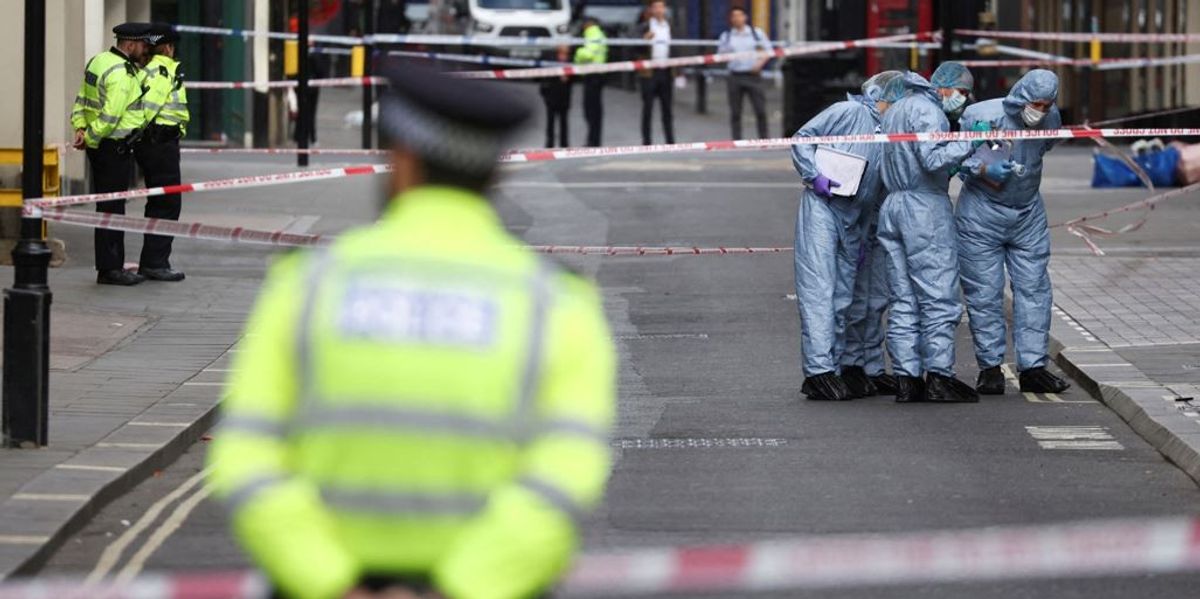
A study looked at murders in London and found that some groups were much more represented among cases that were not solved.
Black people made up 40% of all homicide victims but 73% of the unsolved cases in the 2019–2023 analysis.
Minority ethnic people overall made up 92.9% of unsolved murder victims.
The Metropolitan Police Service says some witnesses may be less willing to speak with police because they do not trust them.
Police also say shootings can be harder to solve than stabbings because they may involve more planning and fewer immediate clues.
Witnesses, CCTV, and forensic evidence can help investigators identify suspects.
The average victim in an unsolved case was younger than the average homicide victim.
A separate study covering 2015–2024 found that 9% of London homicides remained unsolved.

Minority ethnic Britons represented 61.7% of homicide victims but 92.9% of unsolved murder victims in a 2019–2023 London analysis.
Black people accounted for 40% of all homicide victims and 73% of unsolved murder victims during that period.
Unsolved shootings disproportionately involved Black victims, who represented 83.7% of those cases, compared with 73.5% for stabbings.
The Metropolitan Police Service attributed part of the disparity to lower trust in policing among Black communities and limited witness cooperation.
A broader 2015–2024 study found 110 unsolved homicides among 1,222 killings, while shootings were more likely than stabbings to remain unsolved.
- Who
- Homicide victims, particularly Black and other minority ethnic Londoners, and the Metropolitan Police Service are central to the findings.
- What
- Research identified racial disparities in London’s unsolved homicide cases and found shootings more likely than stabbings to remain unsolved.
- Where
- London, United Kingdom.
- When
- The main analysis covers 2019–2023; a broader study covers 2015–2024.
- Why
- The Metropolitan Police Service says lower trust among some Black communities may reduce witness cooperation, while shootings can require more complex investigations.
Research and disparity concerns
Police explanations and response
Why cases remain unsolved
Research and disparity concerns
The Action on Armed Violence research shows that minority ethnic and Black victims were disproportionately represented among unsolved homicide cases.
Police explanations and response
The Metropolitan Police Service says lower trust in policing can make victims and witnesses less likely to come forward or cooperate.
Difficulty solving shootings
Research and disparity concerns
Shootings accounted for 38% of the 41 unsolved murders in the 2019–2023 analysis, despite representing 8.7% of homicides overall.
Police explanations and response
Police detectives say shootings can involve more planning and require more detailed investigative work than spontaneous knife attacks.
Police performance
Research and disparity concerns
The findings highlight a racial gap in the likelihood that a homicide will be solved.
Police explanations and response
The Metropolitan Police Service says its homicide clear-up rate is about nine out of 10 and that it uses CCTV, forensic evidence, and witness testimony.
Key facts
- Minority ethnic share of all victims
- 61.7% of homicide victims in the 2019–2023 analysis
- Minority ethnic share of unsolved victims
- 92.9% of unsolved murder victims
- Black share of all victims
- 40% of homicide victims
- Black share of unsolved victims
- 73% of unsolved murder victims
- Unsolved shootings
- Black victims represented 83.7%, or 36 victims, of unsolved shootings
- Unsolved stabbings
- Black victims represented 73.5%, or 39 victims, of unsolved stabbings
- Broader unsolved total
- 110 of 1,222 homicides, or 9%, remained unsolved between 2015 and 2024
- Victim age
- The average age was 28 in unsolved cases, compared with about 36 for all homicide victims
Quotes
Alex Gammampila
Detective chief inspector and senior Scotland Yard homicide detective
“We know serious violence disproportionately affects certain communities, particularly young black men, who have the lowest trust in policing. This means sadly victims or witnesses are less likely to come forward and trust us.”
 easterneye.biz
“As this report outlines, that is an added complexity following shootings or stabbings on the streets, where identifying suspects requires more detailed investigative work, particularly when compared to domestic murders.”
easterneye.biz
Sources
Related news
Study Finds Crime Misperceptions Overstate Immigrant and Minority Offending

UK police reopen burglary case in Widdecombe murder probe
Man With Criminal Record Killed in Hyderabad; Murder Case Filed
Serial UK sex attacker jailed for life for double murder
Father and Aide Arrested in Delhi Son’s Container Murder
Bangladesh Civil Society Seeks Probe Into Hindu Family Murders
Meta Smart Glasses Face Scrutiny Over Privacy And Data Risks

Harry and Meghan’s Return Raises UK Taxpayer Security Concerns
London Falling Examines Zac Brettler’s Death and Search for Truth
Mehul Choksi Lawyer Charged in London Sexual Assault Case