Science & Tech · Space · 7 hrs ago
Scientists believe a small asteroid caused Siberia’s 1908 Tunguska blast
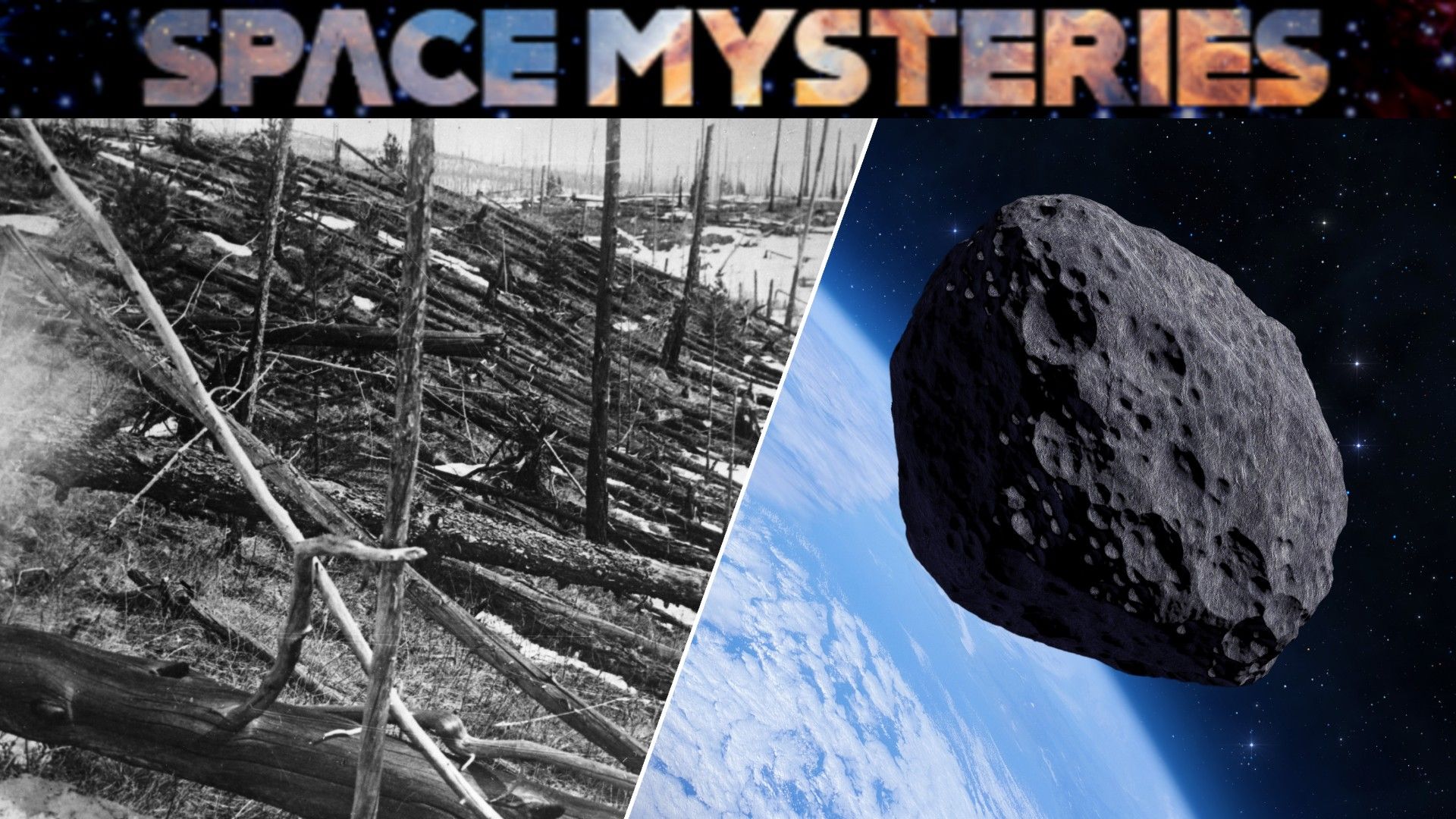
On June 30, 1908, a brilliant fireball crossed the sky over the remote Tunguska region of Siberia, followed by a powerful explosion.
The blast knocked people down, damaged homes and livestock, and flattened millions of trees across a large area.
Scientists believe a small asteroid, about 40 metres across, exploded in the atmosphere rather than hitting the ground.
The event was difficult to investigate because the site was remote, and war and political upheaval delayed expeditions.
When researchers reached the area, they found a broad zone of fallen trees but no impact crater.
The explosion is an important reference point for efforts to understand and prepare for asteroid threats.
Some questions about exactly what happened remain open.

Scientists believe a small asteroid caused the 1908 Tunguska blast in Siberia by exploding in Earth’s atmosphere.
The explosion occurred at about 7:15 a.m. local time on June 30, 1908.
The blast flattened millions of trees across a destruction zone spanning more than 800 square miles.
No impact crater was found at the site.
The remote location delayed a firsthand scientific investigation for almost two decades.
- Who
- Scientists believe a small asteroid caused the blast.
- What
- An atmospheric explosion flattened trees and damaged dwellings and livestock.
- When
- June 30, 1908, at about 7:15 a.m. local time.
- Where
- The remote Tunguska region of Siberia.
- Why
- Scientists believe an asteroid about 130 feet (40 meters) in diameter exploded after entering Earth’s atmosphere.
This story does not have two clearly opposing sides.
A fireball entered Earth’s atmosphere over the Tunguska region and an explosion followed.
Soviet geologist Leonid Kulik initiated an attempt to reach the blast site but did not succeed.
Kulik reached Tunguska and observed the devastation.
Expeditions and aerial surveys examined the destruction zone.
- Estimated asteroid diameter
- 130 feet (40 meters)
- Blast time
- About 7:15 a.m. local time
- Destruction zone
- More than 800 square miles (2,070 square kilometers)
- Trees flattened
- Millions
- First investigation attempt
- Leonid Kulik in 1921
Sources
Related news

Hubble data point to a possible second-generation planet around a white dwarf

NASA seeks ways to prevent electrical sparks during moonwalks
Taurid meteor showers may bring bright fireballs in November 2026

Former Apollo astronaut says he believes UFOs are demonic

SpaceX set for Dragon cargo launch from Florida's Space Coast
New measurement finds primordial helium makes up 24.58% of early matter

French astronaut Sophie Adenot says space brought a full range of emotions

SpaceX lists CRS-35 mission

NASA releases nearly 800 GB of Artemis II lunar data

Astronomers trace record-distant radio burst to a young galaxy

Starlink's India launch remains on hold as security reviews continue